
No products in the cart.
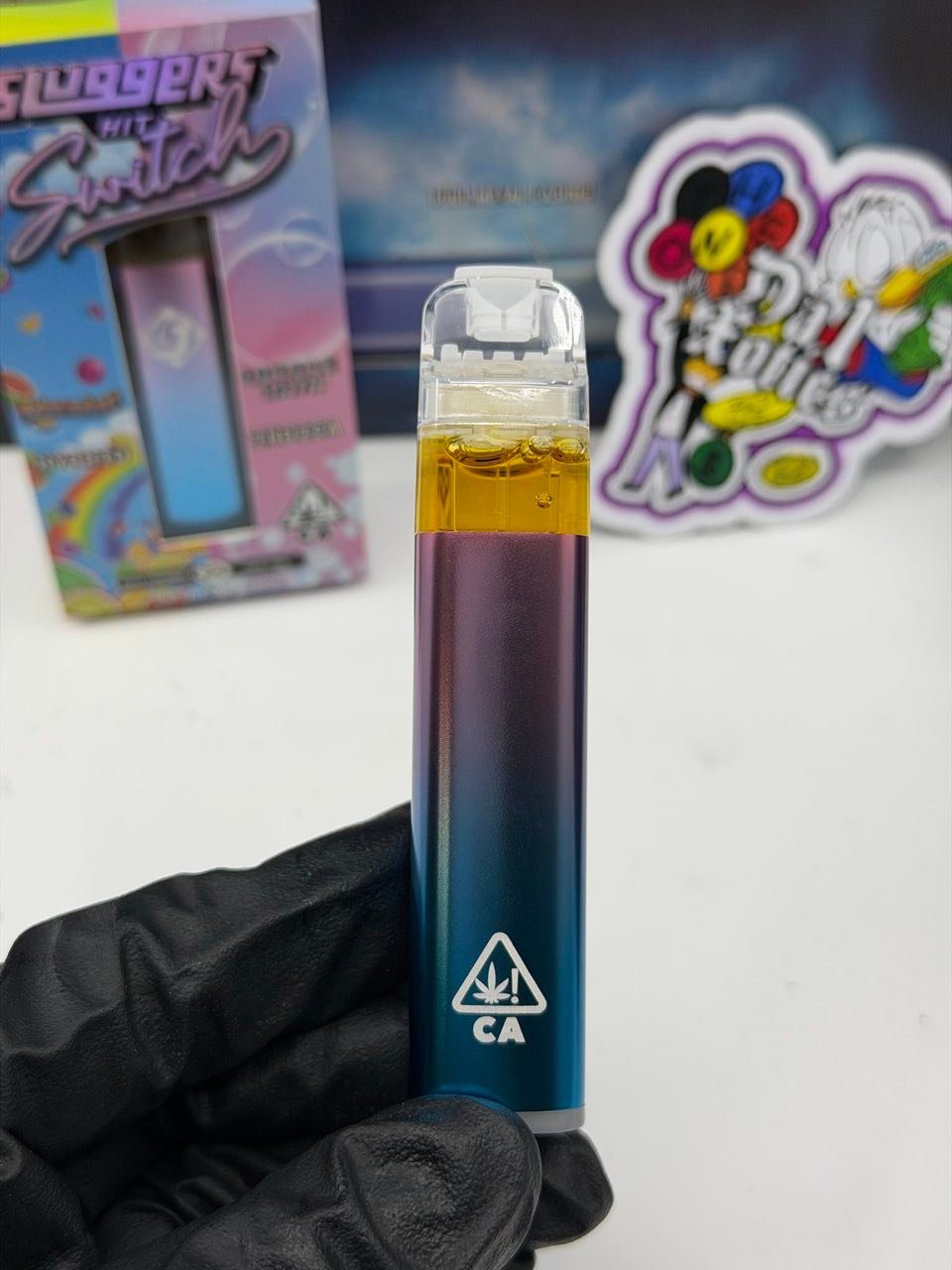
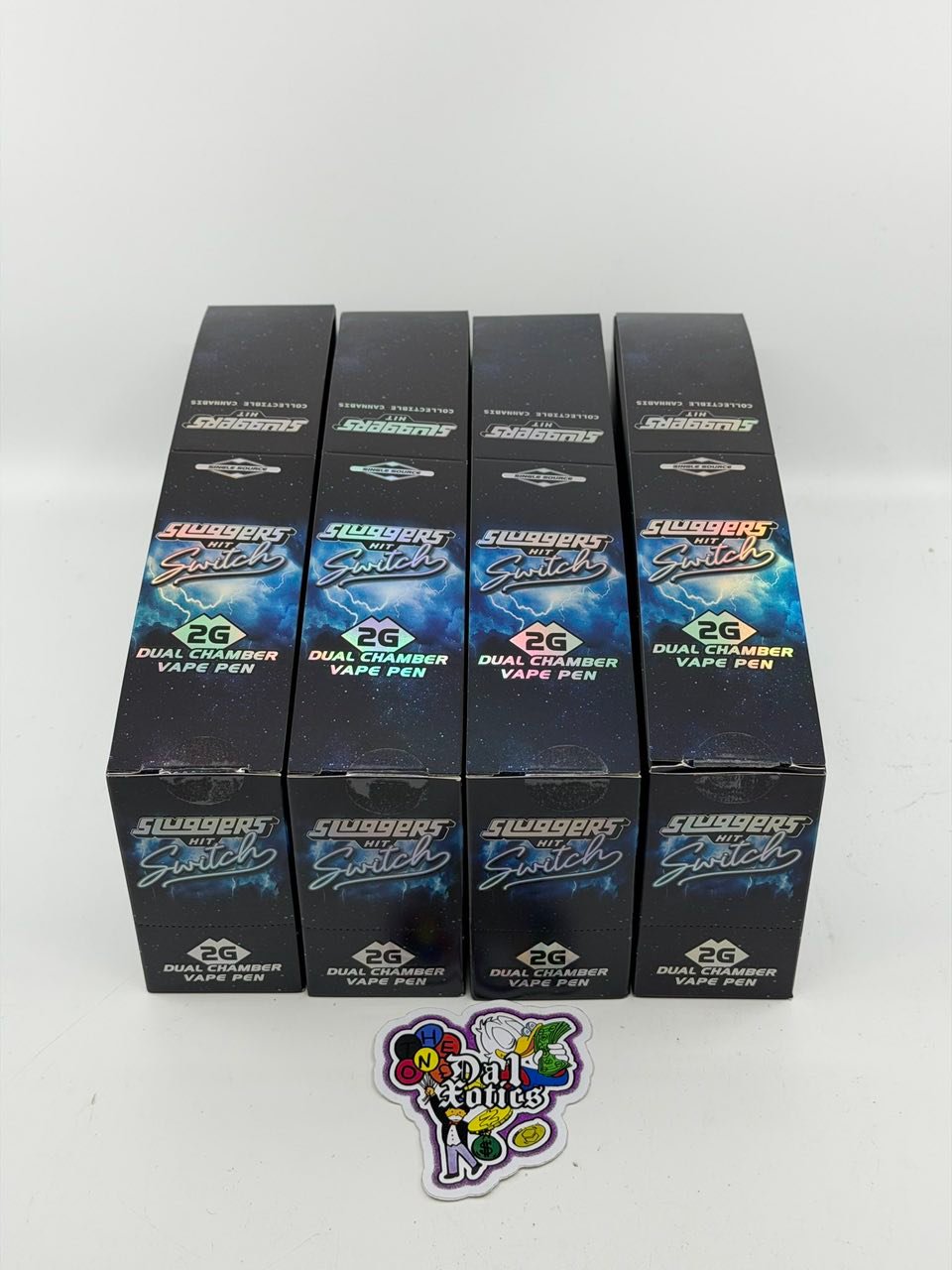
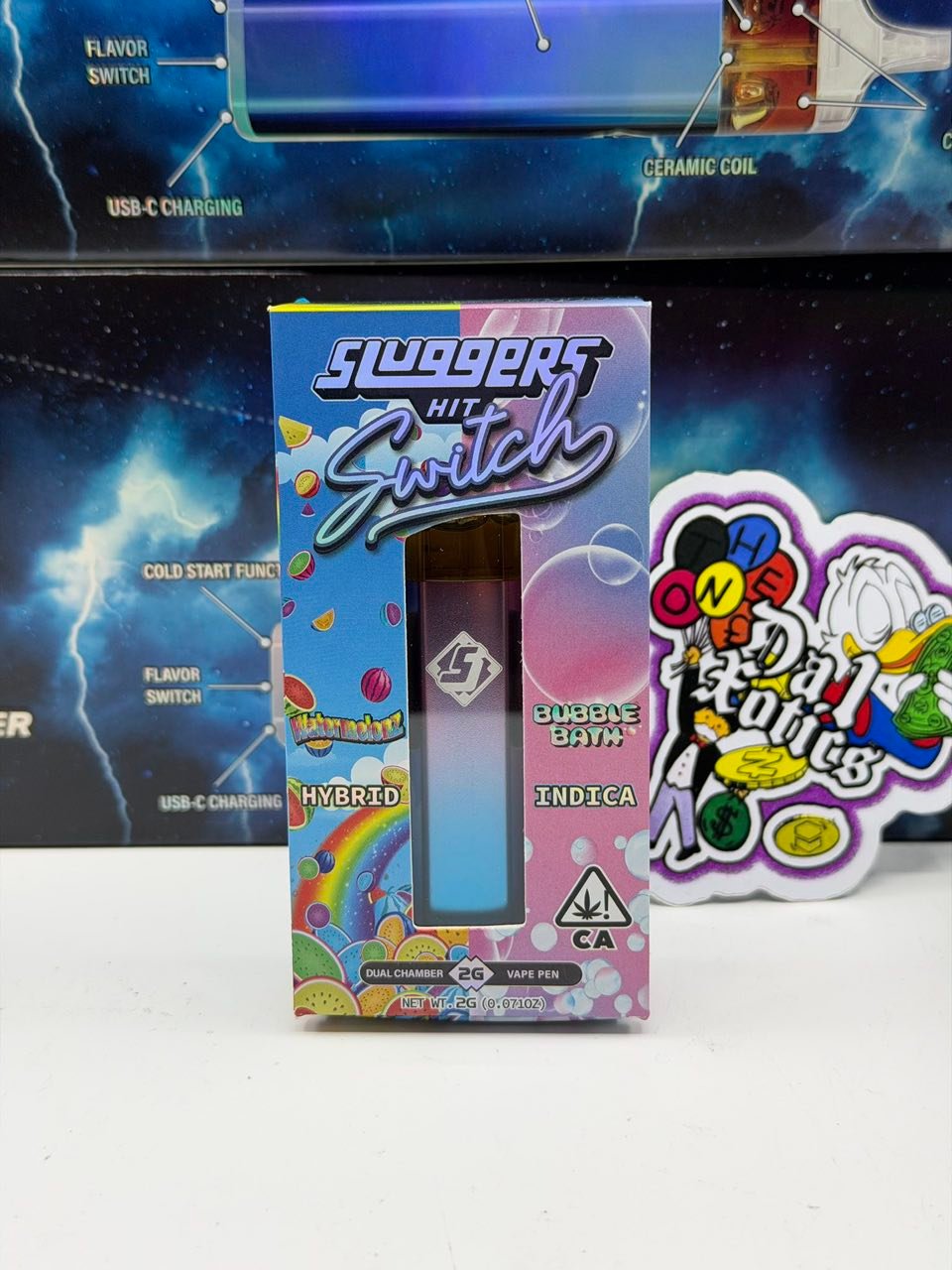
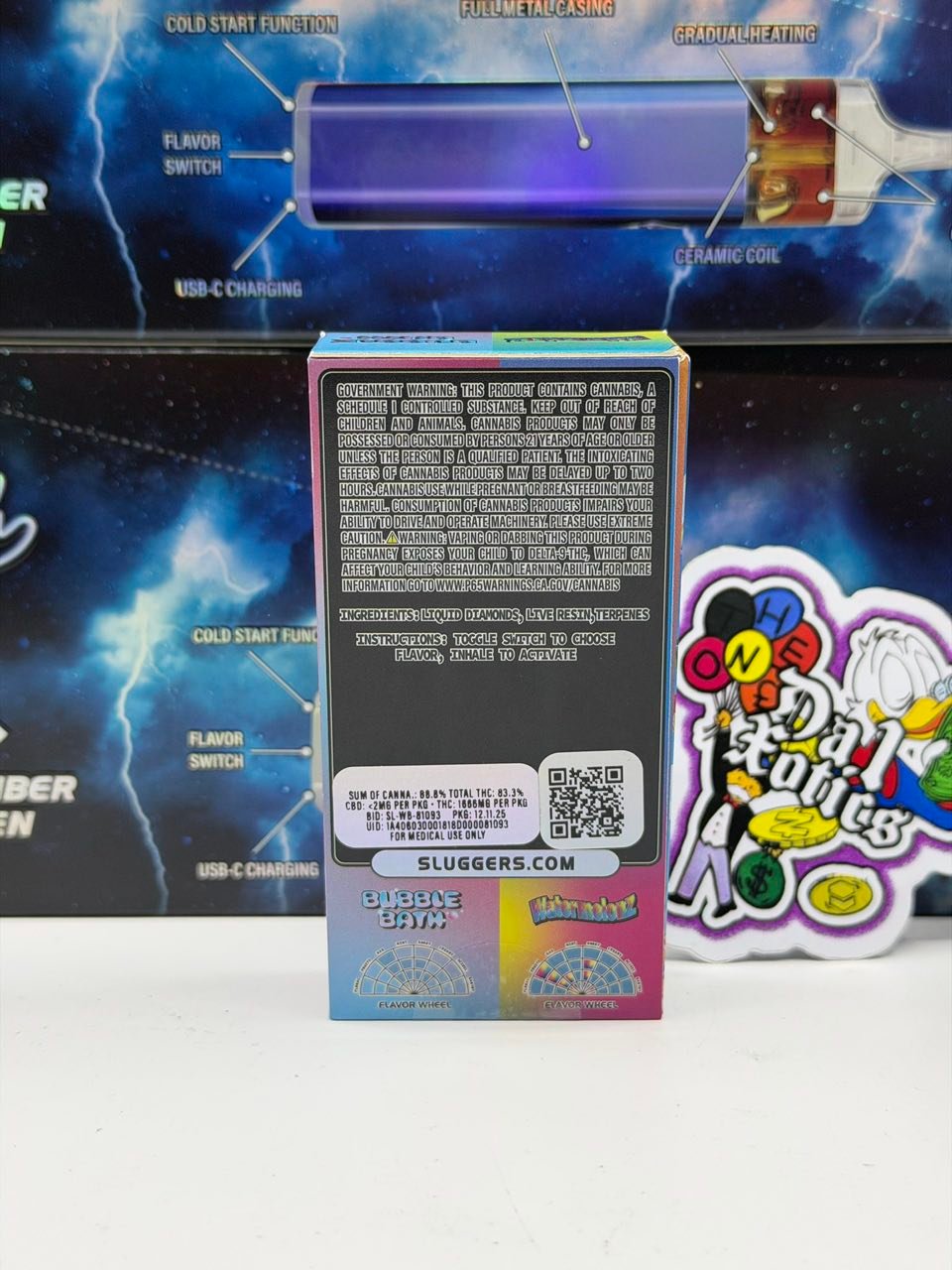
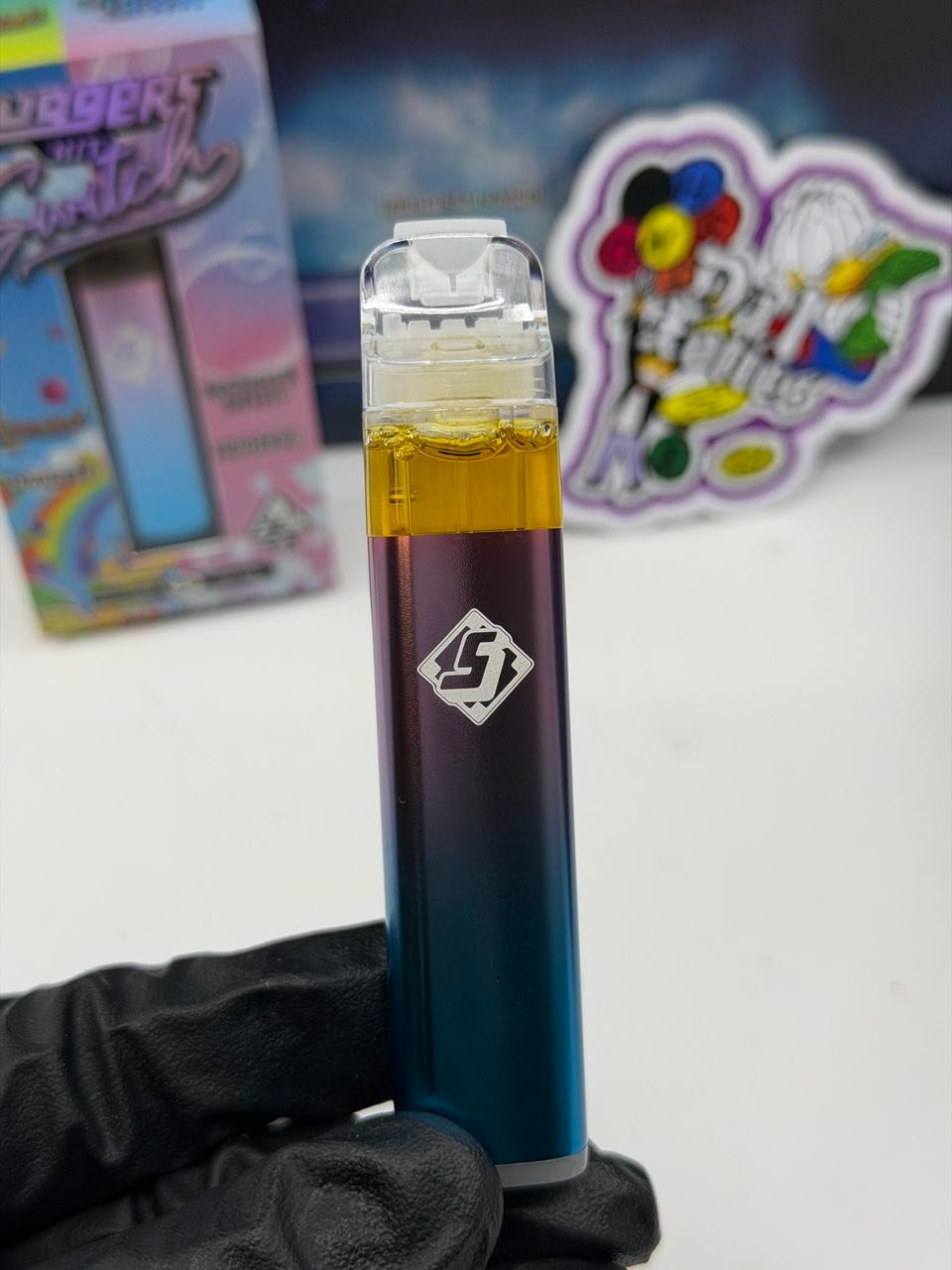
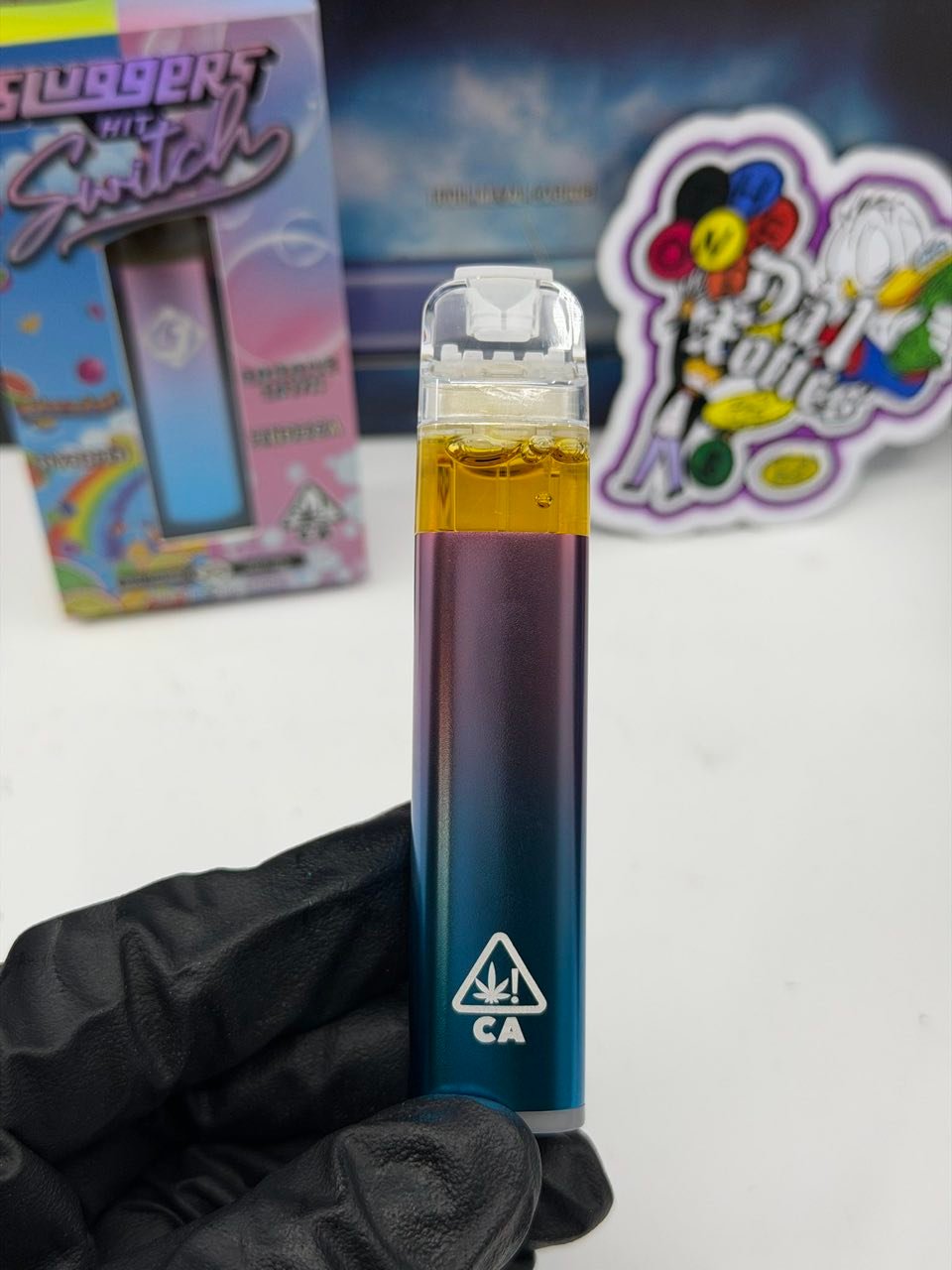


SLUGGERS HIT DISPOSABLE: A Comprehensive, Informational Overview
Introduction
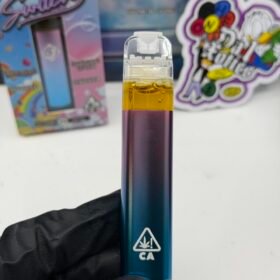
Disposable vaping devices have become a widely discussed topic within consumer product, public health, and regulatory spaces. Among the names frequently referenced in online searches is Sluggers Hit Disposable, a product label commonly associated with prefilled disposable vape devices. This article provides a neutral, educational overview of Sluggers Hit Disposable, focusing on product structure, design characteristics, ingredient transparency considerations, regulatory context, and consumer safety awareness.
This content is written to align with Google’s latest Search Engine Policies (SEP) and EEAT guidelines—emphasizing accuracy, clarity, and trust—without promoting use or encouraging purchase.
Understanding Disposable Vape Devices
Disposable vape devices are single-use, pre-filled electronic units designed to function until the internal liquid or battery is depleted. Unlike reusable systems, they are not intended for refilling or long-term reuse.
Key characteristics typically include:
- Pre-filled liquid chamber
- Integrated battery
- Auto-draw or button-activated mechanism
- Non-serviceable internal components
Products marketed under names such as Sluggers Hit Disposable fall into this broader category.
What Is Sluggers Hit Disposable?
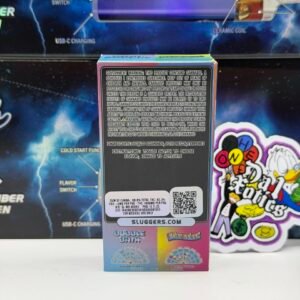
Sluggers Hit Disposable is commonly referenced as a disposable vape product name rather than a publicly documented manufacturing company. Like many disposable vape labels, it appears across multiple online listings, social media discussions, and retail catalogs.
Important clarification:
- Publicly available information about corporate ownership, founders, or headquarters is limited.
- Product details often vary depending on the distributor or region.
- This lack of centralized brand transparency is common within the disposable vape sector.
From an EEAT standpoint, this highlights the importance of verification and cautious interpretation of online product claims.
Device Design and Functional Structure
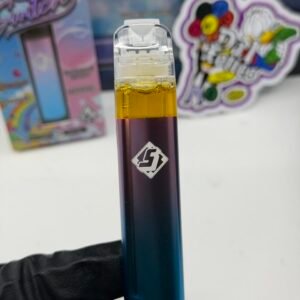
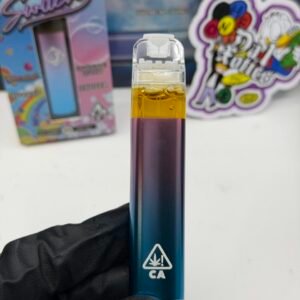
While specific specifications may differ, Sluggers Hit Disposable products are generally described as having:
1. All-in-One Construction
The device integrates the battery, heating element, and liquid chamber into a sealed unit. This design eliminates user handling of internal components.
2. Draw-Activated Operation
Most disposable devices function through inhalation activation, meaning no external buttons or adjustable settings.
3. Compact and Portable Form
Disposable vapes are typically designed to be lightweight and easily portable, which contributes to their popularity but also raises disposal and environmental concerns.
Ingredient Transparency and Consumer Awareness
One of the most important EEAT considerations for any inhalable product is ingredient disclosure.
In general, disposable vape liquids may contain:
- A carrier base (commonly propylene glycol and/or vegetable glycerin)
- Flavoring agents
- Active compounds (varies by product type and legality)
Why Transparency Matters
- Inhalation introduces substances directly into the respiratory system.
- Long-term effects of many flavoring compounds are still being studied.
- Inconsistent labeling across vendors can increase consumer risk.
Consumers are advised to:
- Look for third-party laboratory testing
- Review Certificates of Analysis (COAs) when available
- Avoid products with vague or missing ingredient lists
Quality Control and Manufacturing Considerations
Disposable vape manufacturing often occurs through third-party facilities that may serve multiple brand labels. This can result in:
- Inconsistent quality between batches
- Differences in oil viscosity and heating performance
- Variability in device lifespan
From an EEAT perspective, quality assurance documentation is a critical trust signal. Products lacking verifiable testing or traceable production details should be approached with caution.
Regulatory Landscape and Legal Considerations
The legal status of disposable vape products varies significantly by country, state, and municipality.
Key Regulatory Factors
- Age restrictions
- Product labeling requirements
- Ingredient limitations
- Import and distribution laws
Regulations continue to evolve as public health research advances. Consumers are responsible for understanding and complying with local laws related to possession and use.
This article does not provide legal advice.
Health and Safety Context
Public health organizations globally continue to study the effects of vaping products. While some products are marketed as alternatives, inhalation of aerosols remains an area of active research.
General Safety Considerations
- Inhalation exposure differs from ingestion
- Heating elements can alter chemical composition
- Device malfunctions may occur in poorly manufactured units
Individuals with respiratory conditions or sensitivities should consult qualified healthcare professionals before exposure to any inhalable substances.
Environmental Impact of Disposable Devices
Disposable vapes contribute to electronic waste due to:
- Lithium-ion batteries
- Plastic housings
- Non-recyclable internal components
Environmental organizations increasingly emphasize:
- Responsible disposal
- Avoidance of improper battery waste
- Need for clearer recycling infrastructure
This is an often overlooked but important aspect of product evaluation.
Identifying Authenticity and Reducing Risk
Because disposable vape products are frequently counterfeited or replicated, consumers may encounter inconsistent labeling or packaging.
Risk-reduction practices include:
- Verifying batch numbers when provided
- Avoiding products with altered packaging
- Being cautious of exaggerated claims
From an EEAT standpoint, authenticity verification strengthens trust and safety.
Online Information and Misinformation
Search results for disposable vape products may include:
- Affiliate-driven promotional content
- Unverified user claims
- Incomplete or outdated information
This reinforces the importance of cross-checking sources and prioritizing content that emphasizes transparency, neutrality, and evidence-based discussion.
EEAT Evaluation Summary
Expertise
This article is written with a focus on product structure, regulatory context, and consumer safety awareness rather than promotion.
Experience
The analysis reflects common patterns observed across disposable vape products and market behavior.
Authoritativeness
Claims are framed conservatively and avoid unverified performance or health promises.
Trustworthiness
No sales language, pricing details, or usage instructions are included. Limitations and uncertainties are clearly acknowledged.
Conclusion
Sluggers Hit Disposable represents a category of disposable vape products that are widely discussed but often inconsistently documented. Understanding such products requires a cautious, informed approach that prioritizes transparency, regulation, and health considerations.
As disposable vape devices continue to attract attention, consumers, researchers, and regulators alike benefit from clear, neutral, and responsible information. Articles structured around EEAT principles—like this one—aim to support informed awareness rather than promotion.
| Flavors | Strawberry Runtz, Blueberry Gelato, Watermelon Zkittlez, Mango Kush, Pineapple Express, Grape Ape, Peach Rings, Banana OG, 5pack, 10pack, 25pack, 50pack, 100pack |
|---|
Be the first to review “Buy Sluggers Hit Disposable”
Related products

Uncategorized
$25.00

Uncategorized
Price range: $25.00 through $850.00

Uncategorized
Price range: $30.00 through $900.00


Uncategorized
Price range: $30.00 through $300.00

Uncategorized
Price range: $25.00 through $1,050.00

Uncategorized
Price range: $25.00 through $850.00
Uncategorized
$25.00
Reviews
There are no reviews yet.