
No products in the cart.
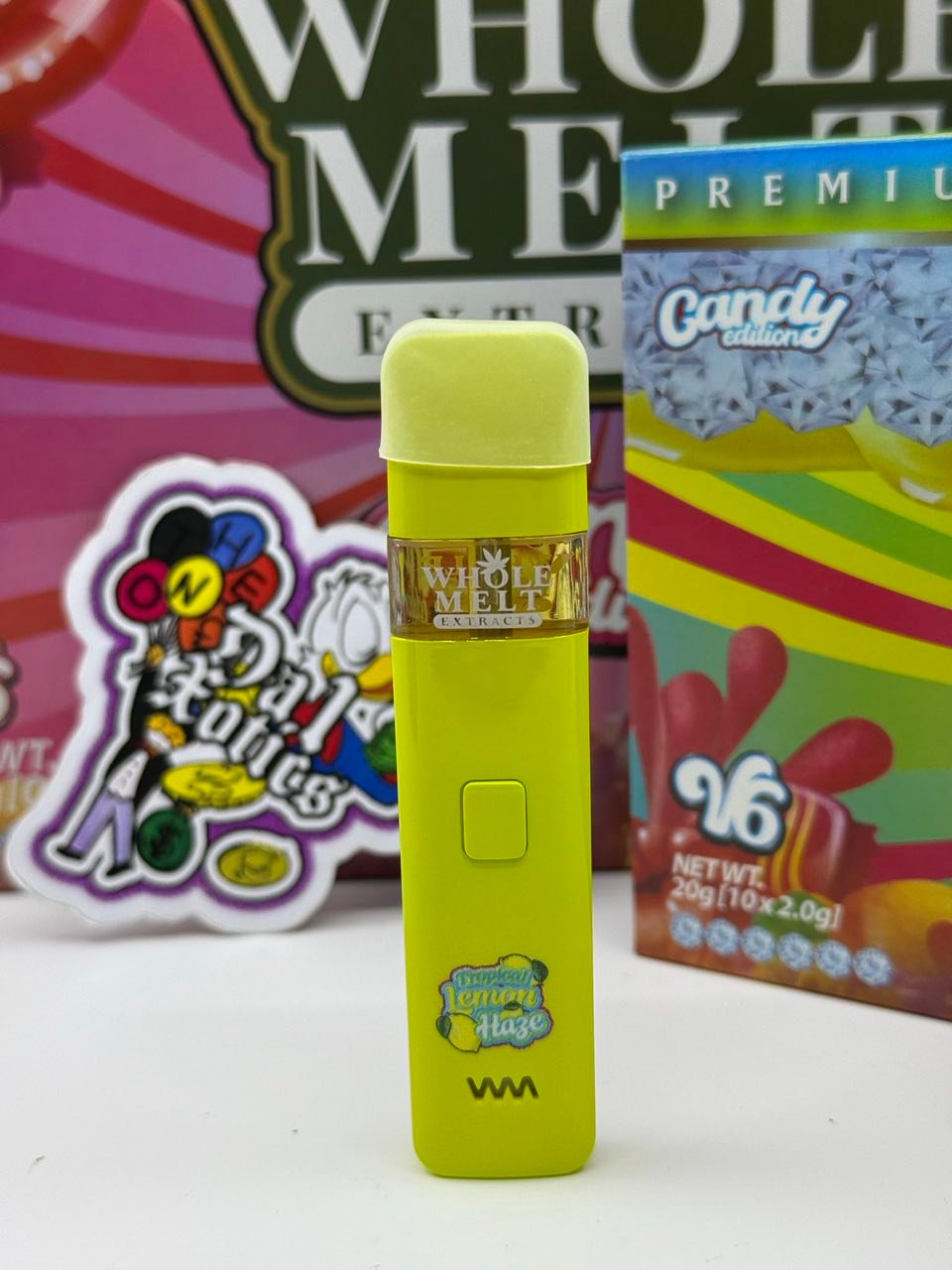
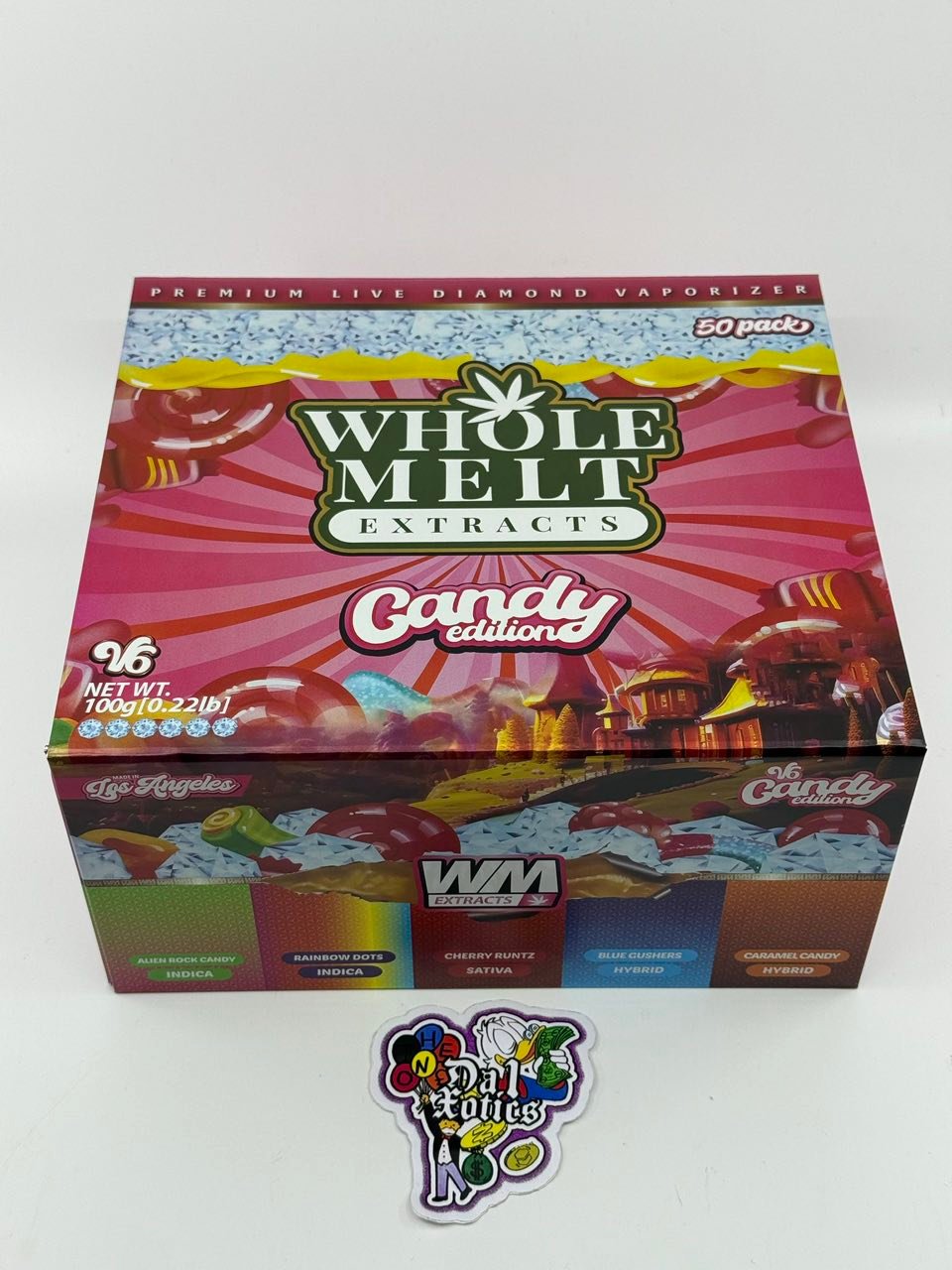
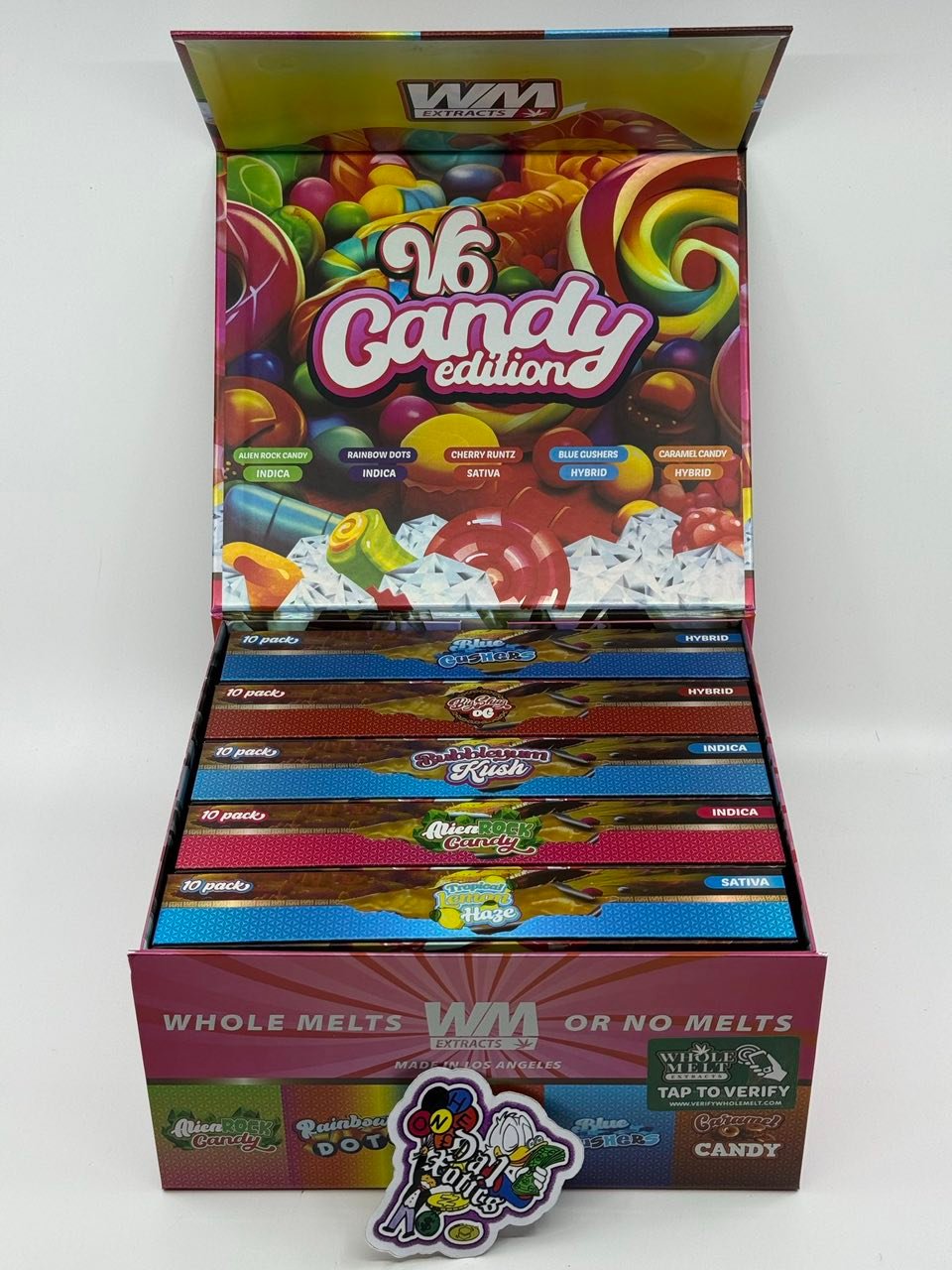
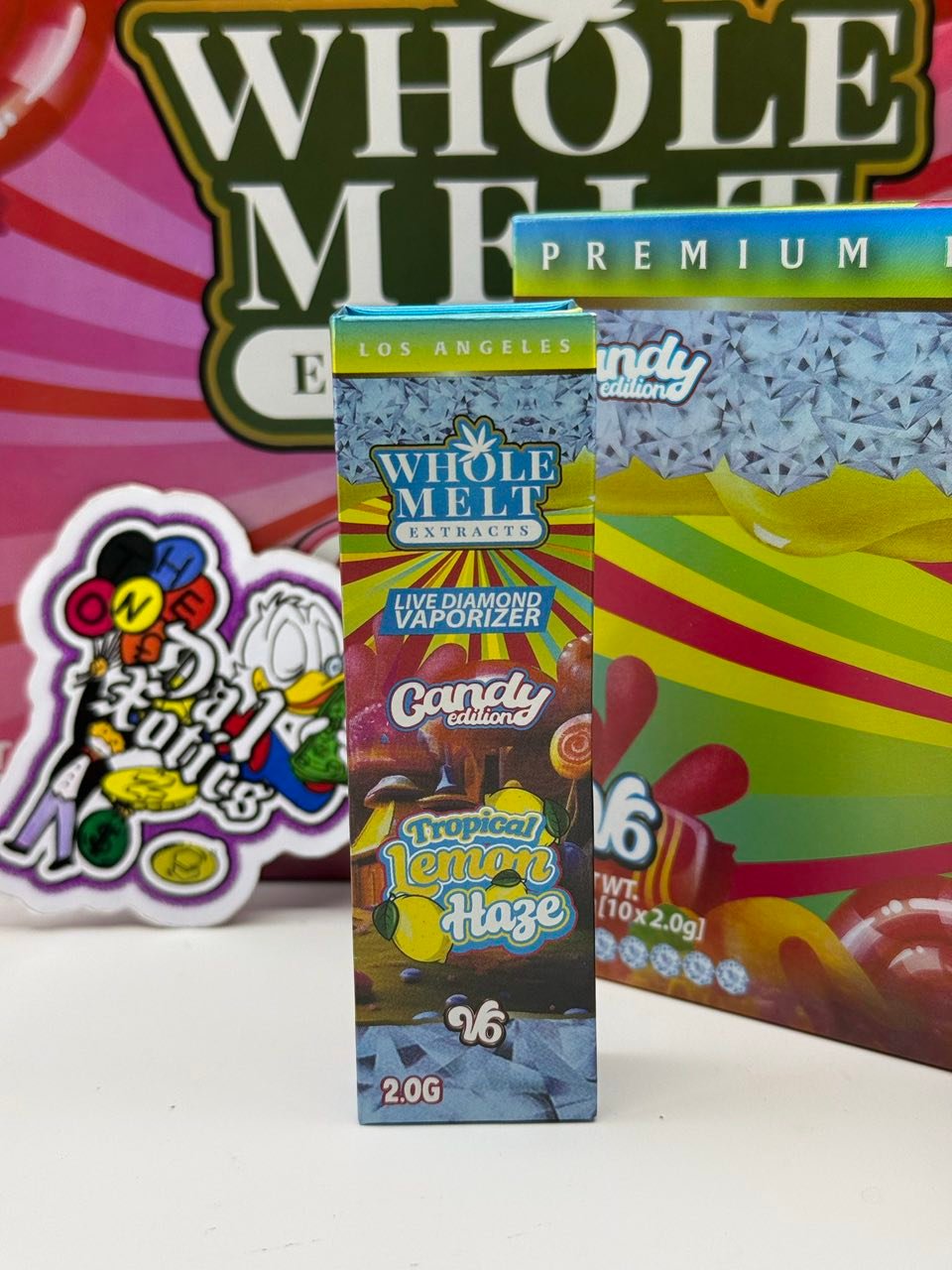
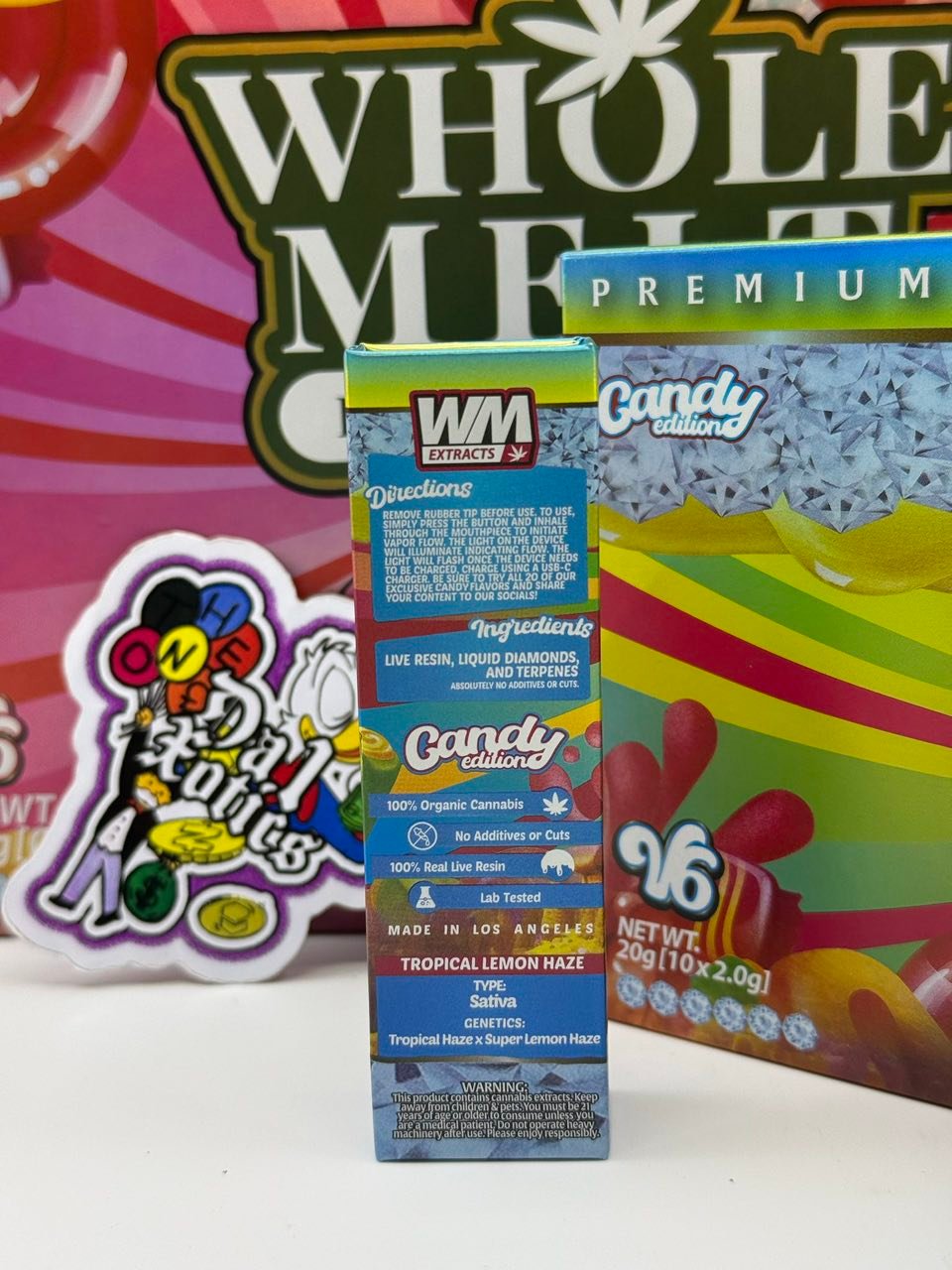
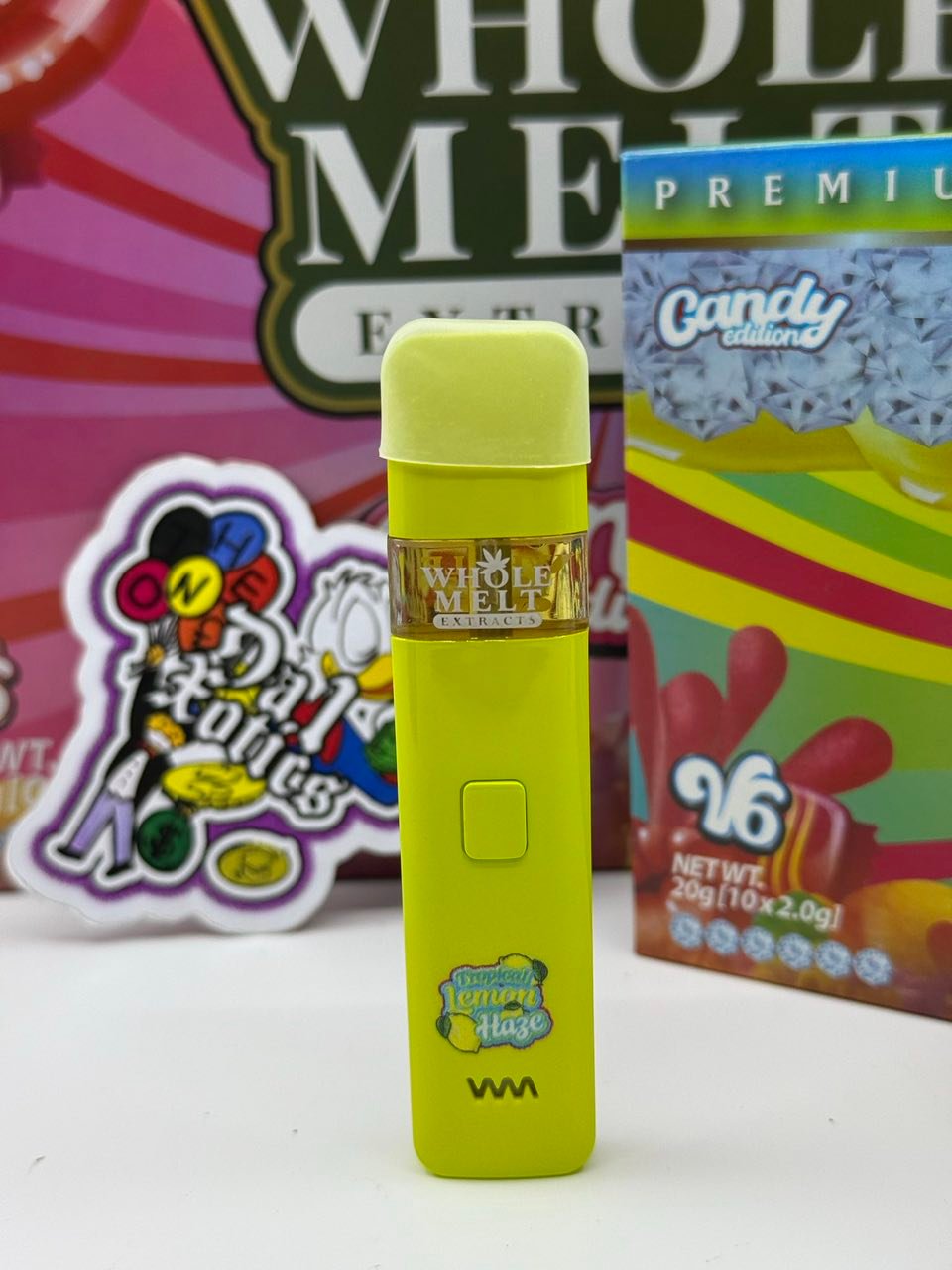
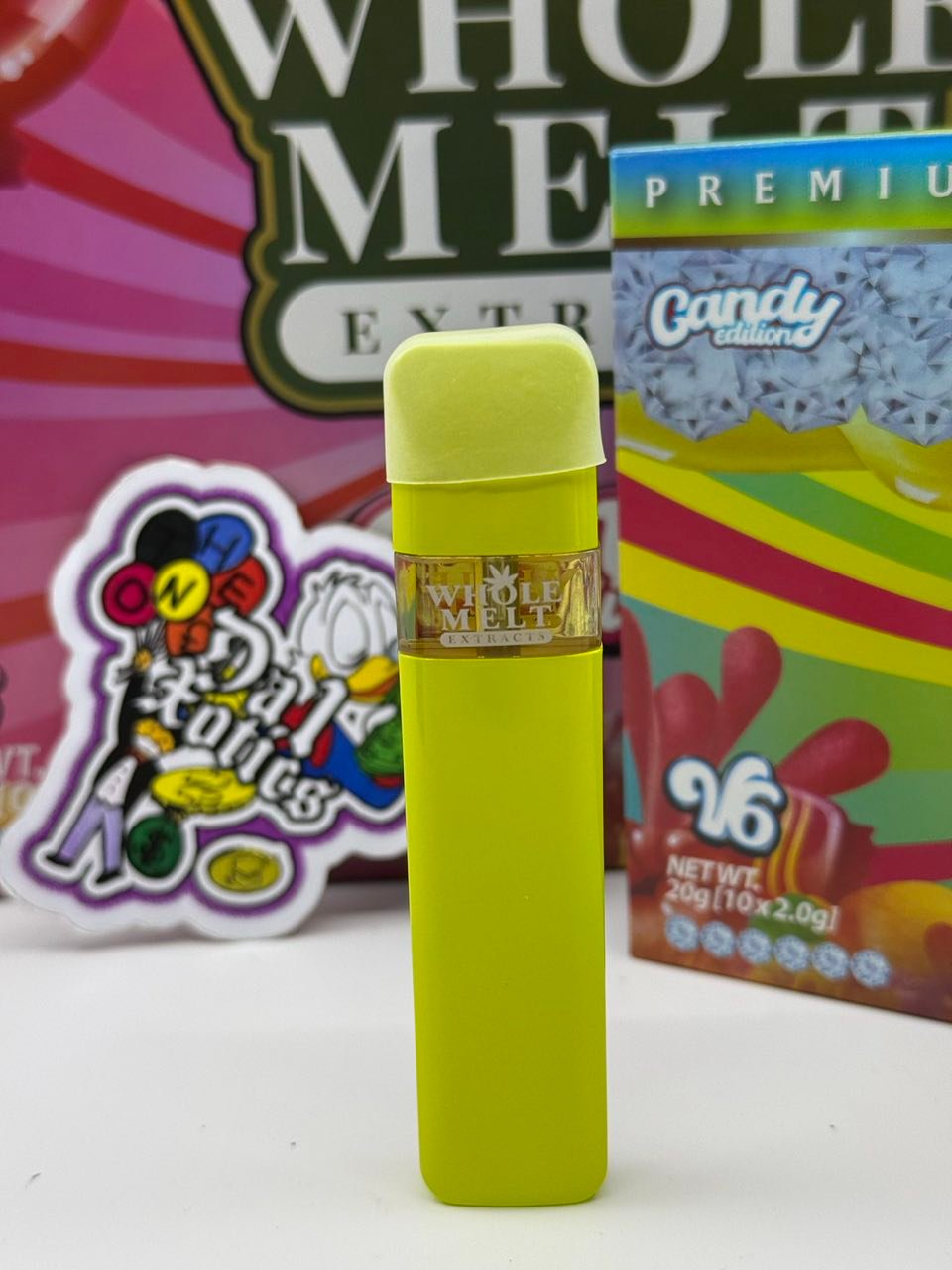


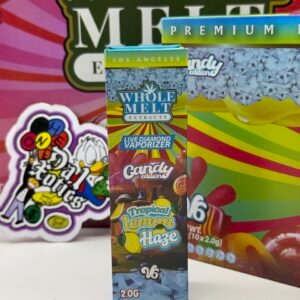
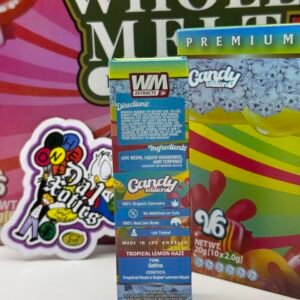
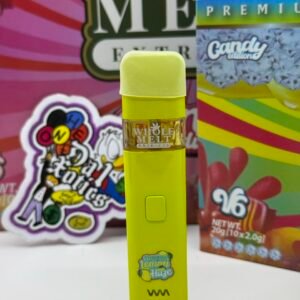

Wholemelt 2G Disposable Cart
Price range: $25.00 through $800.00
An informational overview of Wholemelt 2G Disposable Cart, explaining product naming, capacity labeling, disposable format context, transparency practices, and how to interpret product information responsibly.
Wholemelt 2G Disposable Cart: Informational Overview, Labeling Context, and Consumer Awareness
Introduction
Wholemelt 2G Disposable Cart is a product name commonly encountered in online catalogs, informational pages, and discussions related to regulated and age-restricted product categories. Because information in these categories can easily be misunderstood or influenced by branding language, it is essential to present details with clarity, neutrality, and context. This article is designed as an educational resource, not a promotional guide. It explains what the product name typically signifies, how to interpret labels responsibly, and why Experience, Expertise, Authoritativeness, and Trustworthiness (EEAT) are critical when evaluating related content.
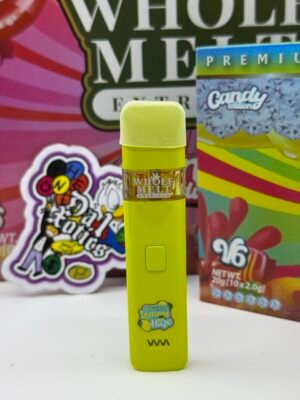
Understanding the Product Name
Product names often combine several descriptors that serve cataloging and identification purposes rather than making claims. In the case of Wholemelt 2G Disposable Cart, the name can be broken down into three primary elements:
- Wholemelt: Functions as a brand or product line identifier.
- 2G: A capacity descriptor, commonly indicating a standardized measurement.
- Disposable Cart: Refers to a single-use, sealed cartridge format.
Educational content clarifies that these elements are descriptive identifiers, not assurances of performance, quality, or suitability.
What “Wholemelt” Typically Represents
From an informational standpoint, a brand name like “Wholemelt”:
- Helps differentiate products within a crowded marketplace.
- May be associated with a specific design, presentation, or catalog line.
- Does not inherently communicate manufacturing quality, safety, or compliance.
EEAT-aligned explanations avoid attributing characteristics to a brand unless supported by verifiable documentation.
Interpreting the “2G” Descriptor
The 2G descriptor is generally understood as a capacity or quantity reference. In educational contexts:
- It indicates a standardized measurement used for labeling.
- It is not a comparison against other products.
- Measurement standards can vary by jurisdiction and regulatory framework.
Readers are encouraged to view capacity descriptors as informational labels, not indicators of value or effectiveness.
Understanding “Disposable Cart” Format
A disposable cartridge format is typically defined by:
- A sealed, single-use design.
- Integrated components intended to function together.
- Disposal after the product reaches end of life.
Informational discussions focus on format awareness, helping readers understand how products are categorized rather than how they are used.
Product Categorization and Context
Wholemelt 2G Disposable Cart falls within a sealed, finished-product category that is often subject to regulation. Educational overviews emphasize:
- Product identification and documentation.
- Labeling and traceability.
- Compliance awareness.
This approach ensures the content remains informational rather than instructional.
Labeling Literacy: Why Labels Matter
Labels are one of the most important sources of information in regulated categories. From an EEAT perspective, labels are intended to:
- Identify the product and variant.
- Provide batch or lot references.
- Communicate required warnings or disclosures.
Educational content helps readers interpret labels critically, understanding what is stated and what is not.
Batch, Lot, and Traceability Information
Traceability supports transparency and accountability. Informational discussions explain that:
- Batch or lot identifiers link products to documentation.
- They support quality assurance processes.
- Traceability does not equate to uniformity across all units.
This context helps prevent overgeneralization.
Manufacturing and Supply Chain Overview
Many brands operate within distributed manufacturing ecosystems. Neutral explanations may include:
- The role of third-party or contract manufacturing.
- Packaging and labeling partners.
- Region-specific distribution considerations.
EEAT-aligned content avoids assumptions about origin or quality based solely on brand naming.
Quality Assurance and Testing References
Testing is often mentioned in product descriptions. Educational framing clarifies that:
- Testing is batch-specific and time-limited.
- Results depend on laboratory standards and scope.
- Testing references should be understood as documentation, not guarantees.
Responsible content avoids overstating what testing can confirm.
Regulatory Awareness and Regional Differences
Rules governing age-restricted product categories vary widely. Informational pages should:
- Acknowledge differences between regions.
- Avoid universal claims.
- Encourage consultation of authoritative local sources.
This supports accuracy and trustworthiness across audiences.
Trademark and Naming Considerations
Product names may include distinctive or evocative terms. EEAT-aligned explanations clarify that:
- Naming does not imply endorsement or affiliation unless explicitly stated.
- Trademark usage can be stylistic or descriptive.
- Official affiliations should be verified through authoritative sources.
Packaging Design and Purpose
Packaging serves multiple functions beyond branding, including:
- Protecting the product.
- Supporting tamper-evident features.
- Providing space for disclosures and identifiers.
Educational content explains why packaging matters, not how it influences performance.
Authenticity and Counterfeit Awareness
Counterfeit risk is a recognized issue across many regulated categories. Informational discussions may cover:
- The role of consistent labeling.
- Documentation and traceability.
- The importance of relying on reputable information sources.
The focus remains on consumer awareness, not enforcement.
Environmental and Disposal Considerations
Disposable formats raise environmental questions. Neutral informational content may reference:
- Waste management considerations.
- The importance of following local disposal guidance.
- Broader industry discussions around sustainability.
These topics are presented as public-interest considerations.
Neutral Language and Content Compliance
Using neutral language is essential for:
- Avoiding promotional claims.
- Aligning with search platform guidelines.
- Maintaining reader trust.
EEAT-aligned content prioritizes clarity and restraint.
Applying EEAT Principles
- Experience: Familiarity with how regulated categories are discussed.
- Expertise: Accurate explanation of terminology and context.
- Authoritativeness: Balanced, well-scoped information.
- Trustworthiness: Transparency about limitations and uncertainties.
Applying EEAT improves long-term content credibility.
Avoiding Assumptions and Overclaims
Branding can sometimes be mistaken for evidence. Responsible content:
- Separates marketing language from documented facts.
- Avoids absolute statements.
- Encourages verification through reliable sources.
This helps reduce misinformation.
Consumer Information Literacy
A key goal of educational content is improving information literacy. Readers benefit from guidance on:
- Evaluating sources.
- Understanding labeling conventions.
- Recognizing speculative or outdated claims.
Empowered readers interpret information more effectively.
Public Policy and Industry Discussion
Regulated product categories intersect with broader discussions about:
- Consumer protection.
- Trademark usage.
- Environmental impact.
Informational pages may acknowledge these discussions without advocating positions.
Transparency as a Trust Signal
Transparency in labeling, documentation, and naming:
- Supports consumer understanding.
- Encourages responsible discourse.
- Builds long-term trust.
EEAT-aligned content prioritizes transparency over persuasion.
Edition or Variant Context
If a product is part of a series or variant lineup:
- Edition names help differentiate listings.
- They do not inherently signal functional differences.
- Verified documentation remains the primary source of detail.
Content Maintenance and Accuracy
Responsible informational pages:
- Are reviewed periodically.
- Reflect updated terminology.
- Maintain alignment with evolving standards.
Ongoing maintenance supports credibility.
Why Neutral Educational Content Matters
Neutral content:
- Reduces confusion.
- Aligns with platform and search guidelines.
- Serves a wider audience responsibly.
This approach is especially important for age-restricted categories.
Conclusion
Wholemelt 2G Disposable Cart is best understood through the lens of product naming, labeling literacy, transparency practices, and regulatory awareness. Rather than focusing on promotion or acquisition, EEAT-aligned content emphasizes education, clarity, and responsible interpretation. By understanding how descriptors like brand names, capacity labels, and format identifiers function, readers can engage with product information thoughtfully and accurately.
| Flavors | Strawberry, Blueberry, Watermelon, Mango, Grape, Pineapple, Lemon, Peach, 5pack, 10pack, 25pack, 50pack, 100pack |
|---|
Be the first to review “Wholemelt 2G Disposable Cart”
Related products


Luigi Live Resin Pre Roll
Price range: $30.00 through $950.00


OG Cake Disposable 2G
Price range: $30.00 through $950.00


Uncategorized
Price range: $25.00 through $850.00


CLEAN CART UFC Edition
Price range: $25.00 through $750.00

Boutiq Switch Glow V4
Price range: $25.00 through $900.00


Blinkers Disposable Vape
Price range: $30.00 through $900.00


Uncategorized
Price range: $25.00 through $800.00
Reviews
There are no reviews yet.