No products in the cart.
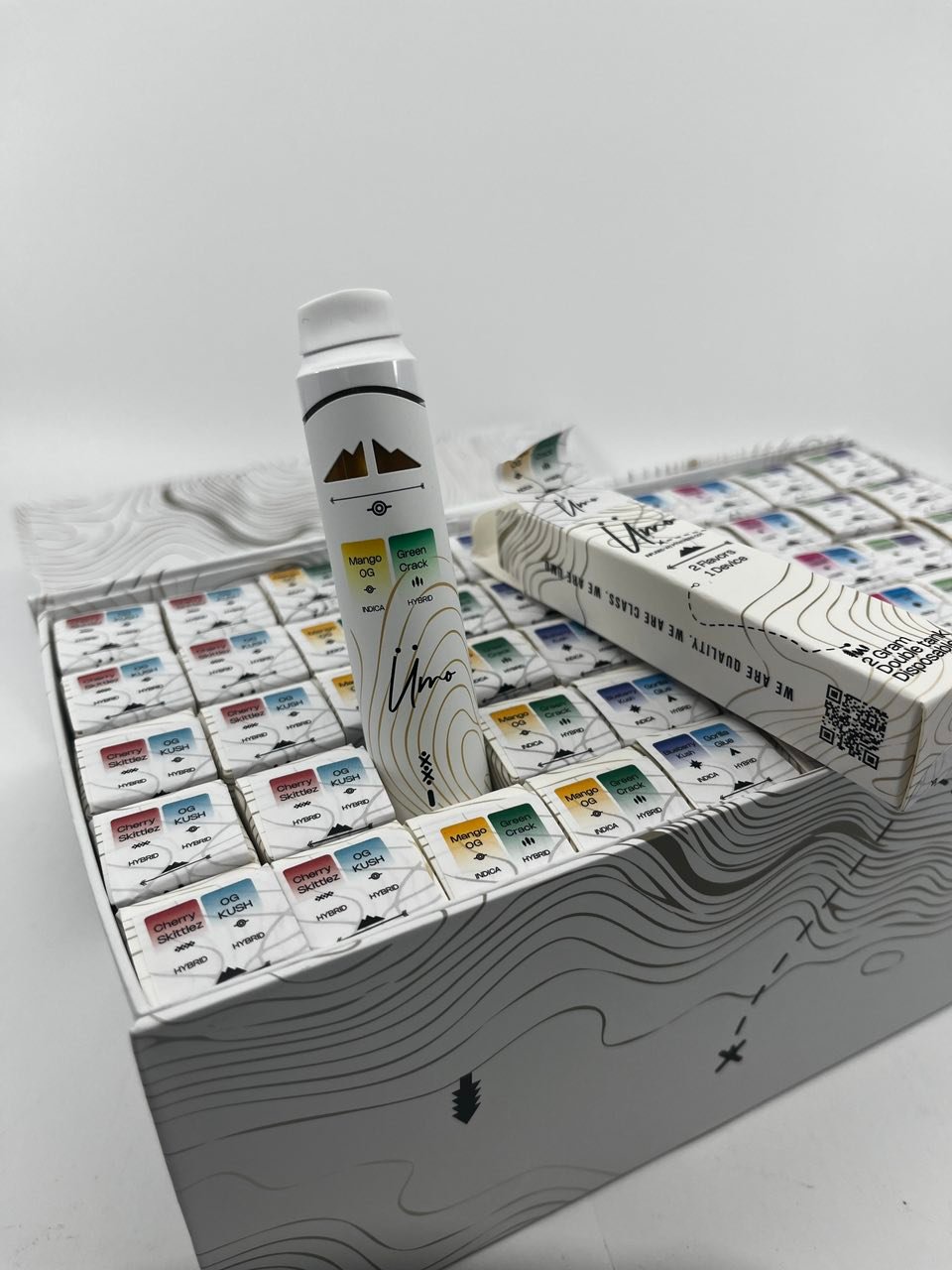
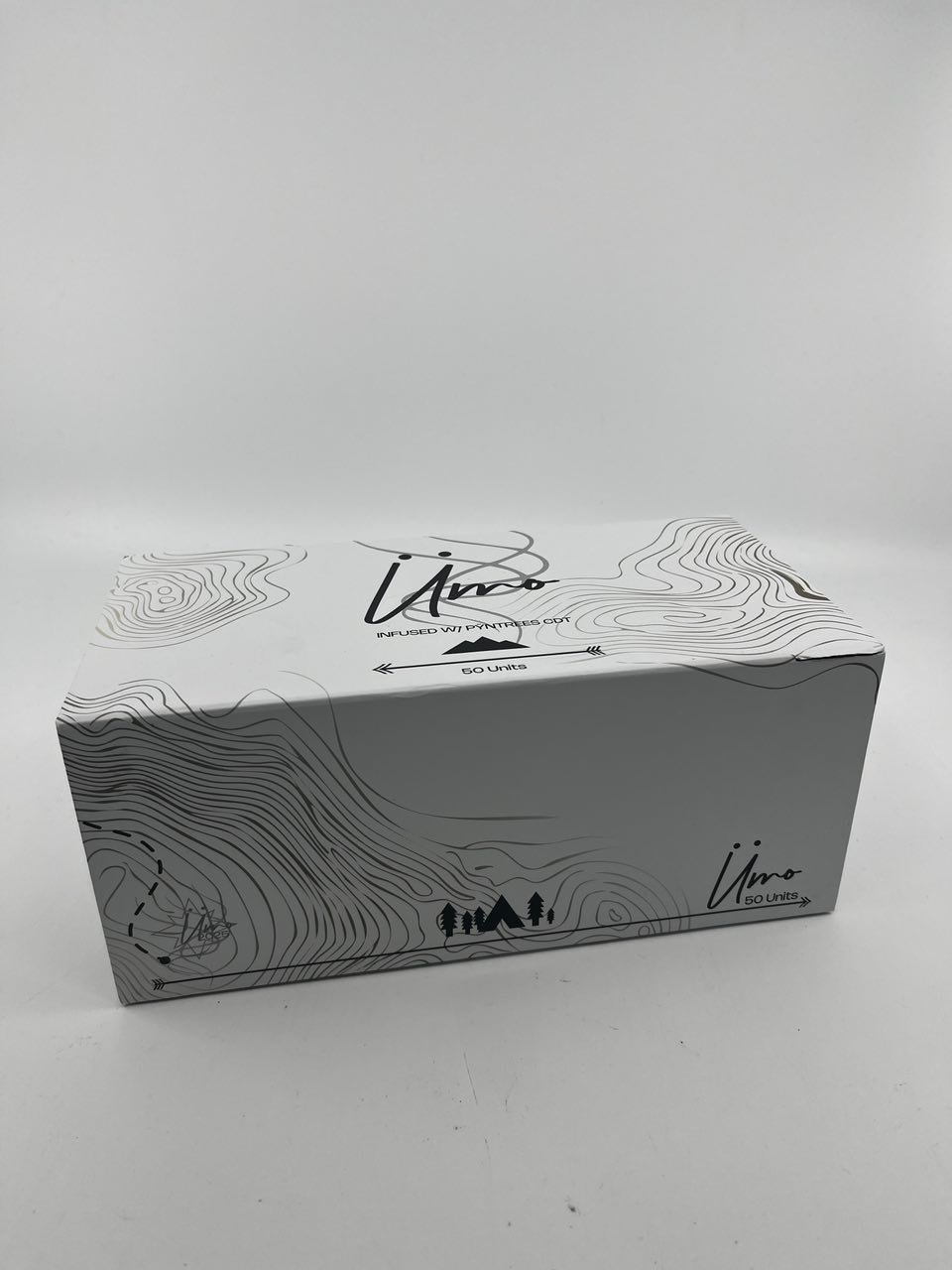
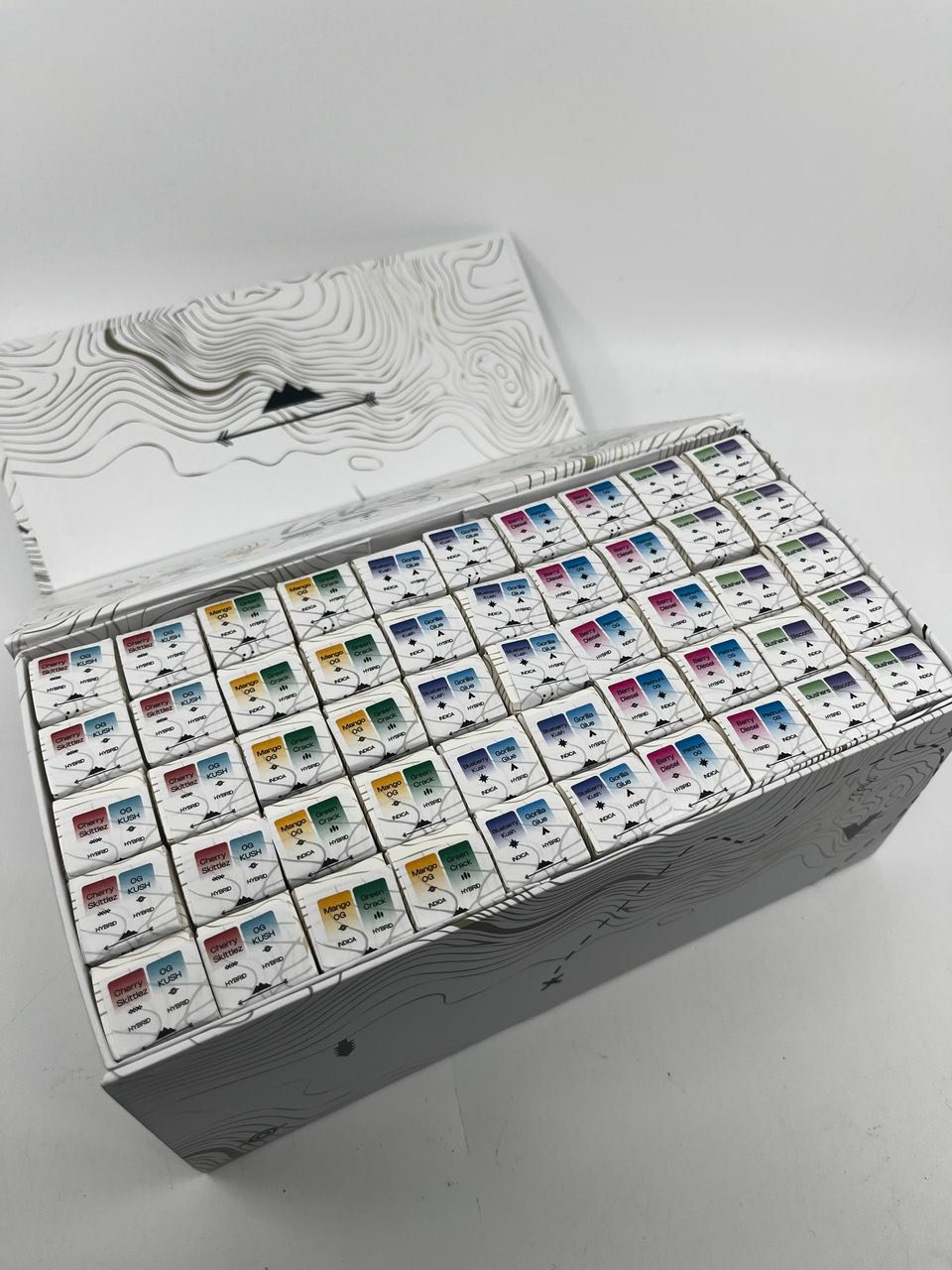
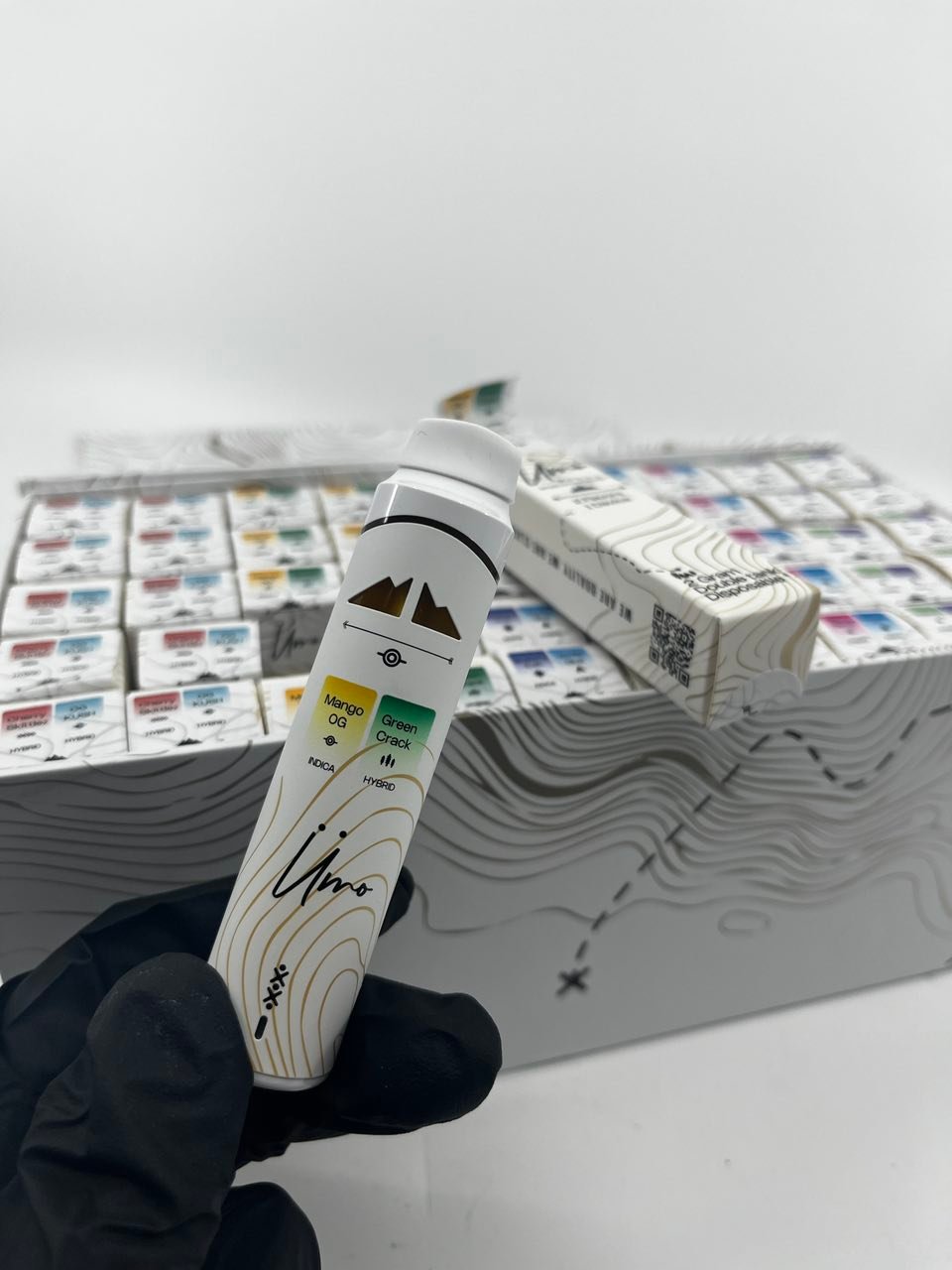
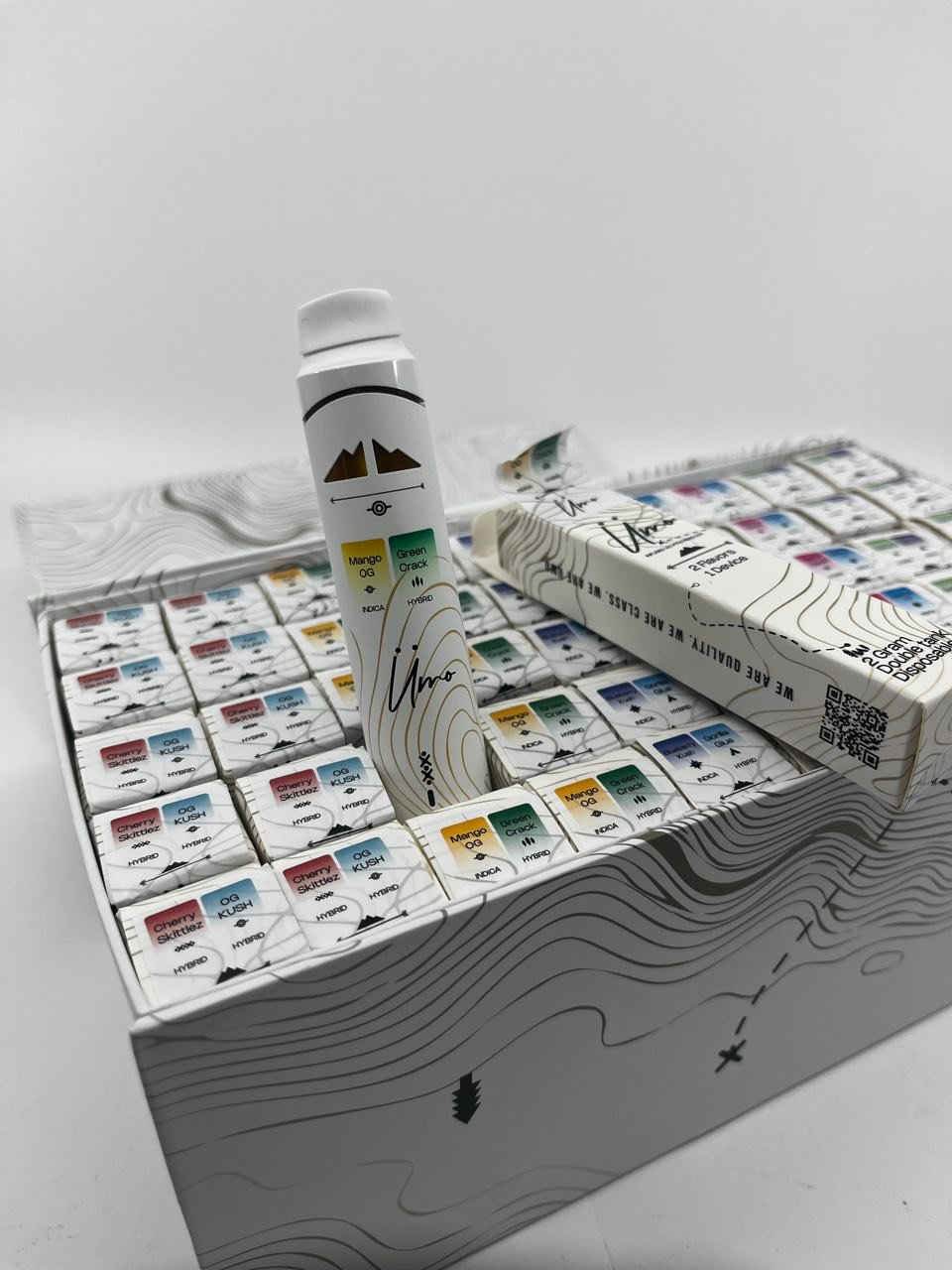
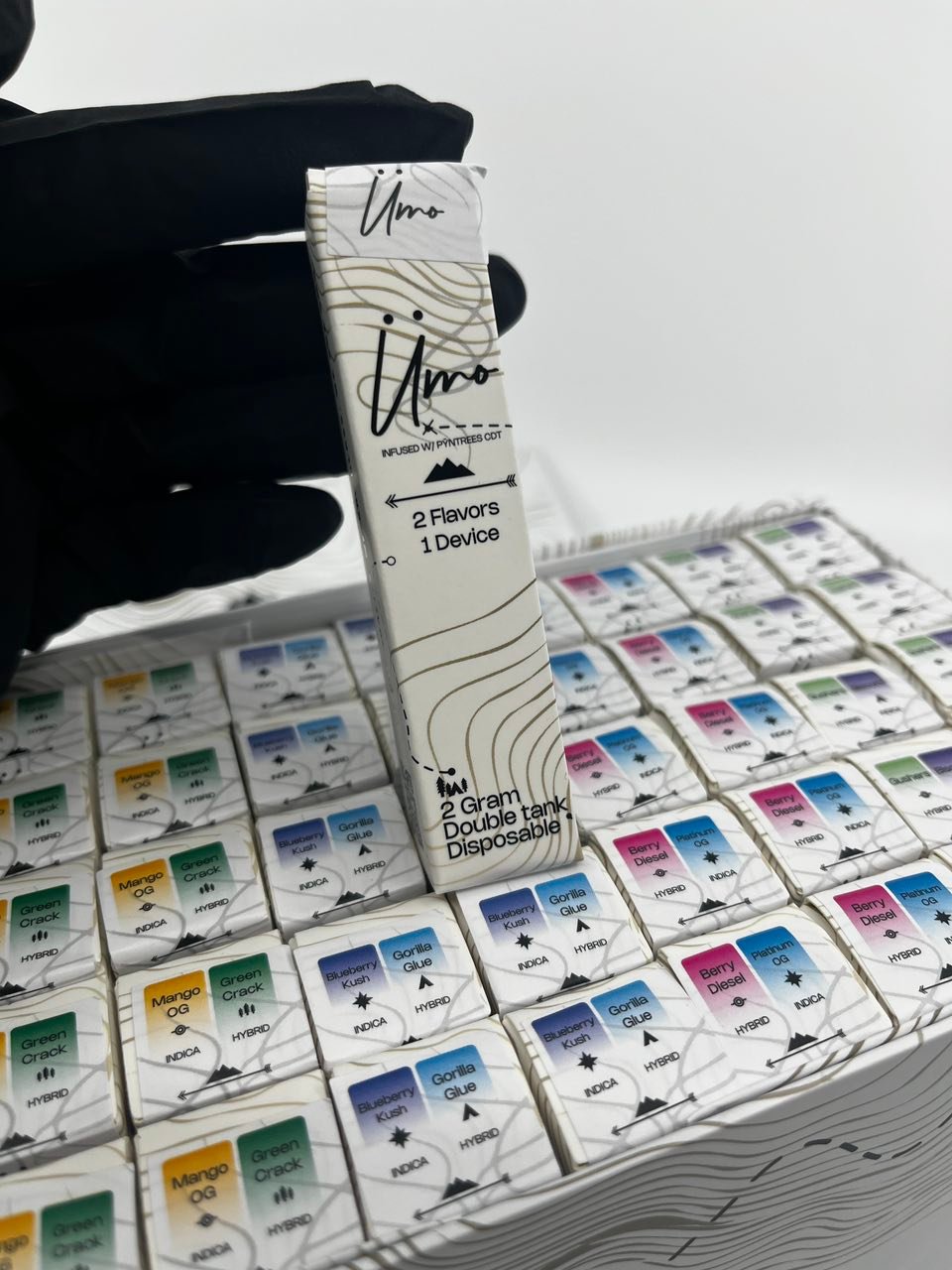
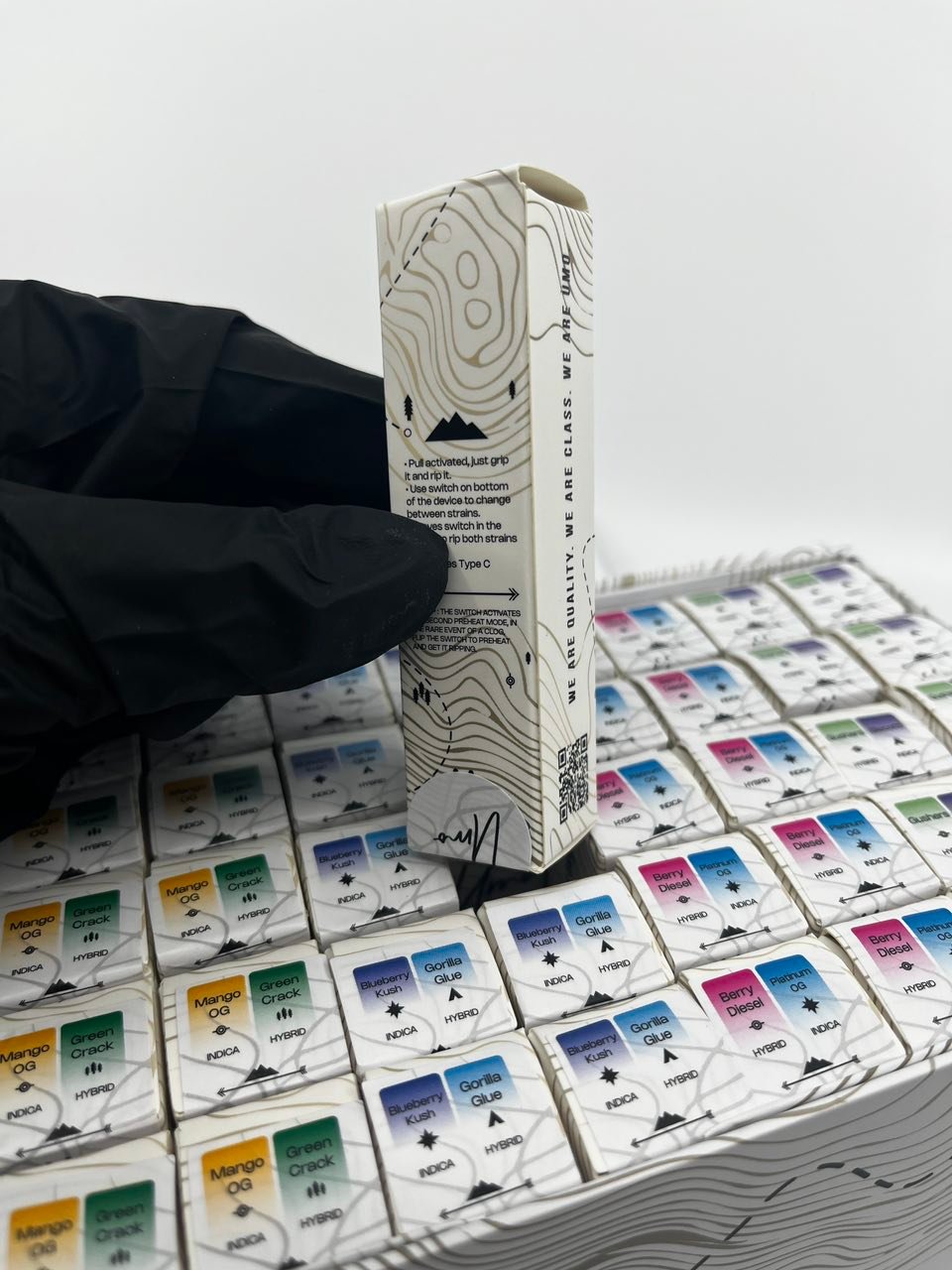


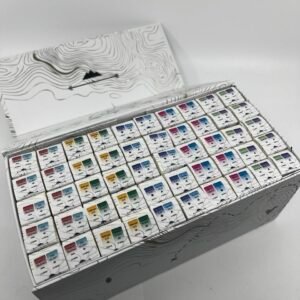
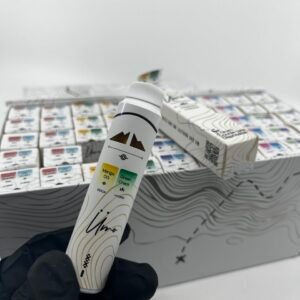
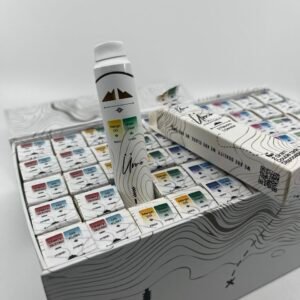
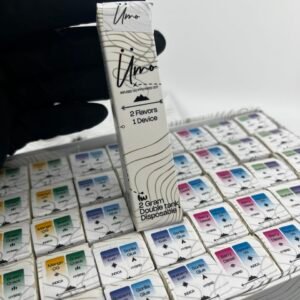
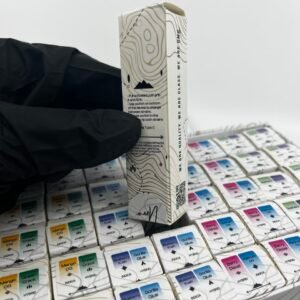


Umo Pyntrees 2G Disposable: An Informational Product Overview and Labeling Guide
Introduction
Product names such as Umo Pyntrees 2G Disposable often appear in online catalogs, informational listings, and search results. For many readers, the challenge is not finding the name but understanding what the name actually communicates, what it does not guarantee, and how to interpret it responsibly. Modern search guidance emphasizes clarity, neutrality, and transparency—especially for age-restricted or regulated product categories.
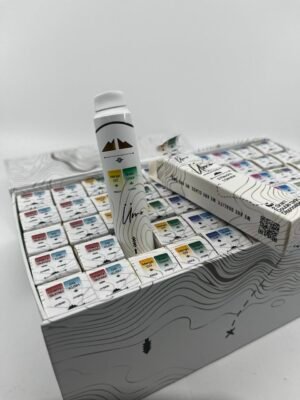
This article serves as an educational resource. It explains the components of the product name, discusses common labeling practices associated with “2G disposable” formats, and outlines broader considerations such as documentation, authenticity awareness, environmental impact, and regulatory context. The goal is to support informed understanding rather than promotion.
Breaking Down the Product Name
Umo (Brand Identifier)
“Umo” functions as a brand identifier. Brand names typically signal design language, naming conventions, or a particular catalog family. From an EEAT perspective, it is important to recognize that a brand name alone does not provide:
- Manufacturing location
- Material specifications
- Testing documentation
- Regulatory status
Those details—when available—are usually found in supporting materials, not in the brand name itself.
Pyntrees (Edition or Series Label)
“Pyntrees” appears to act as an edition or series label within the broader brand structure. Edition labels can help differentiate styles or variants, but they are not standardized indicators of composition, performance, or suitability. Responsible interpretation treats edition names as descriptive identifiers, not as claims.
2G (Capacity Label)
“2G” is commonly used as a capacity label. Capacity labels can refer to weight or volume depending on regional conventions. Best practices for interpreting capacity labels include:
- Understanding that measurement standards vary by jurisdiction
- Recognizing that capacity labels are descriptive, not comparative
- Looking for clarifying documentation where available
Capacity labeling without context should be read cautiously and as part of a larger information set.
Disposable (Format Type)
“Disposable” indicates a single-unit, non-refillable format that integrates components into one device. Disposable formats raise important informational topics—such as environmental impact and proper disposal awareness—which are addressed later in this article.
Product Category Context
Umo Pyntrees 2G Disposable belongs to a broader disposable format category characterized by:
- Integrated hardware
- Pre-filled, sealed construction
- Non-refillable design
Category membership alone does not convey quality, safety, or compliance. Products within the same category may vary widely in materials, documentation practices, and transparency levels. Understanding category context helps readers avoid assuming equivalence based solely on format.
Labeling Literacy and Transparency
Why Labeling Literacy Matters
Labeling literacy is the ability to accurately interpret product labels without relying on assumptions or marketing language. For products with multiple name components—brand, edition, capacity, and format—literacy helps readers:
- Distinguish branding from factual information
- Identify missing or unclear disclosures
- Ask informed questions during research
High-quality informational content supports labeling literacy by clearly explaining what labels communicate and what they do not.
Common Label Elements Readers Look For
Depending on jurisdiction, readers often seek the following when researching product listings:
- Batch or lot identifiers
- Manufacturing or packaging dates
- Material or ingredient disclosures
- Compliance symbols or regulatory references
The presence or absence of these elements affects how much information can be independently verified.
Regulatory Awareness (General Overview)
Regional Variability
Regulatory frameworks vary widely by country, state, and municipality. A product name like Umo Pyntrees 2G Disposable may appear online across multiple regions, even though legal standards differ.
Important considerations include:
- Compliance in one region does not imply compliance elsewhere
- Online visibility does not equal regulatory approval
- Packaging and labeling may differ by distribution channel
Educational content should acknowledge these differences without offering legal advice.
Informational Responsibility
Responsible informational pages encourage readers to consult local public resources for jurisdiction-specific rules and definitions. This approach aligns with EEAT principles by avoiding overgeneralization.
Authenticity and Counterfeit Awareness
Why Authenticity Awareness Is Relevant
Recognizable brand or edition names are often associated with imitation or unauthorized replicas across many industries. Authenticity awareness is therefore a key component of consumer education.
Informational discussions often include:
- The role of batch or lot identifiers
- Consistency of packaging information
- Official communication channels for verification
Avoiding Visual Assumptions
Authenticity cannot reliably be determined by appearance alone. Verified information typically comes from documented disclosures rather than visual inspection.
Manufacturing and Supply Chain Context
What Product Names Do Not Reveal
Product names rarely disclose:
- Manufacturing location
- Component sourcing
- Assembly processes
Understanding these limits helps readers avoid over-interpreting brand or edition labels.
Transparency as a Trust Signal
In many industries, transparent discussion of manufacturing and supply chains is viewed as a trust-building factor. However, disclosure practices vary, and not all brands publish the same level of detail.
Environmental and Disposal Considerations
Disposable Format Impact
Disposable formats introduce environmental considerations due to:
- Integrated power components
- Mixed material construction
- Limited recycling pathways
Educational content often encourages awareness of local disposal guidance and environmentally responsible handling where applicable.
Sustainability Discussions
Neutral sustainability discussions do not promote or discourage specific products. Instead, they help readers understand trade-offs associated with disposable formats and highlight the importance of informed choices.
Consumer Education and EEAT Alignment
Experience
This article reflects common informational questions encountered by readers researching product names with multiple labeling components.
Expertise
The structure follows recognized best practices for product literacy: defining terms, explaining context, and clarifying limitations.
Authoritativeness
The content distinguishes clearly between naming conventions and verifiable information, avoiding speculation.
Trustworthiness
A neutral tone, absence of sales language, and clear scope boundaries reinforce trust. The article does not instruct, promote, or encourage acquisition or use.
Frequently Asked Informational Questions
Does “2G” always mean the same thing?
No. Measurement standards vary by region and category. Capacity labels should be interpreted within local regulatory context.
Does the edition name imply performance?
Edition names generally identify variants or series, not standardized performance characteristics, unless supported by documentation.
What does disposable mean in this context?
Disposable typically indicates a non-refillable, single-unit format. Disposal practices should follow local environmental guidance.
Is online information always current?
Online listings may persist after packaging, labeling, or regulatory changes occur. Cross-referencing multiple sources can improve accuracy.
Best Practices for Reading Product Listings
When researching names like Umo Pyntrees 2G Disposable, informed readers often:
- Consult multiple neutral sources
- Focus on documented disclosures rather than names
- Avoid assumptions based on branding language
- Consider regional regulatory differences
These practices support more accurate understanding and reduce misinformation.
The Role of Neutral Informational Content
Neutral informational content plays an important role in modern search ecosystems. Rather than persuading or promoting, it:
- Clarifies terminology
- Reduces confusion
- Encourages responsible interpretation
This approach aligns with Google’s emphasis on helpful, people-first content.
Conclusion
Umo Pyntrees 2G Disposable is best understood as a product name composed of distinct labeling elements—brand identifier, edition label, capacity descriptor, and format type. Each element provides limited information on its own, and none should be interpreted as a guarantee of quality, suitability, or compliance.
By approaching such listings with labeling literacy, regulatory awareness, and authenticity mindfulness, readers can better navigate complex product information landscapes. Educational resources like this one aim to support clarity, transparency, and informed understanding, consistent with modern EEAT standards.
| Flavors | Pineapple, Strawberry, Blueberry, Watermelon, Mango, Grape, Peach, Lemon, Orange, 5pack, 10pack, 25pack, 50pack, 100pack |
|---|
Be the first to review “Umo Pyntrees 2G Disposable”
Related products
Uncategorized
Price range: $20.00 through $30.00
Uncategorized
Out of stock
Uncategorized
Uncategorized
Price range: $20.00 through $800.00
Uncategorized
Price range: $30.00 through $300.00


Uncategorized
Price range: $20.00 through $800.00

Uncategorized
Price range: $30.00 through $900.00


Wholemelt 2G Disposable Cart
Price range: $25.00 through $800.00
Reviews
There are no reviews yet.