
No products in the cart.
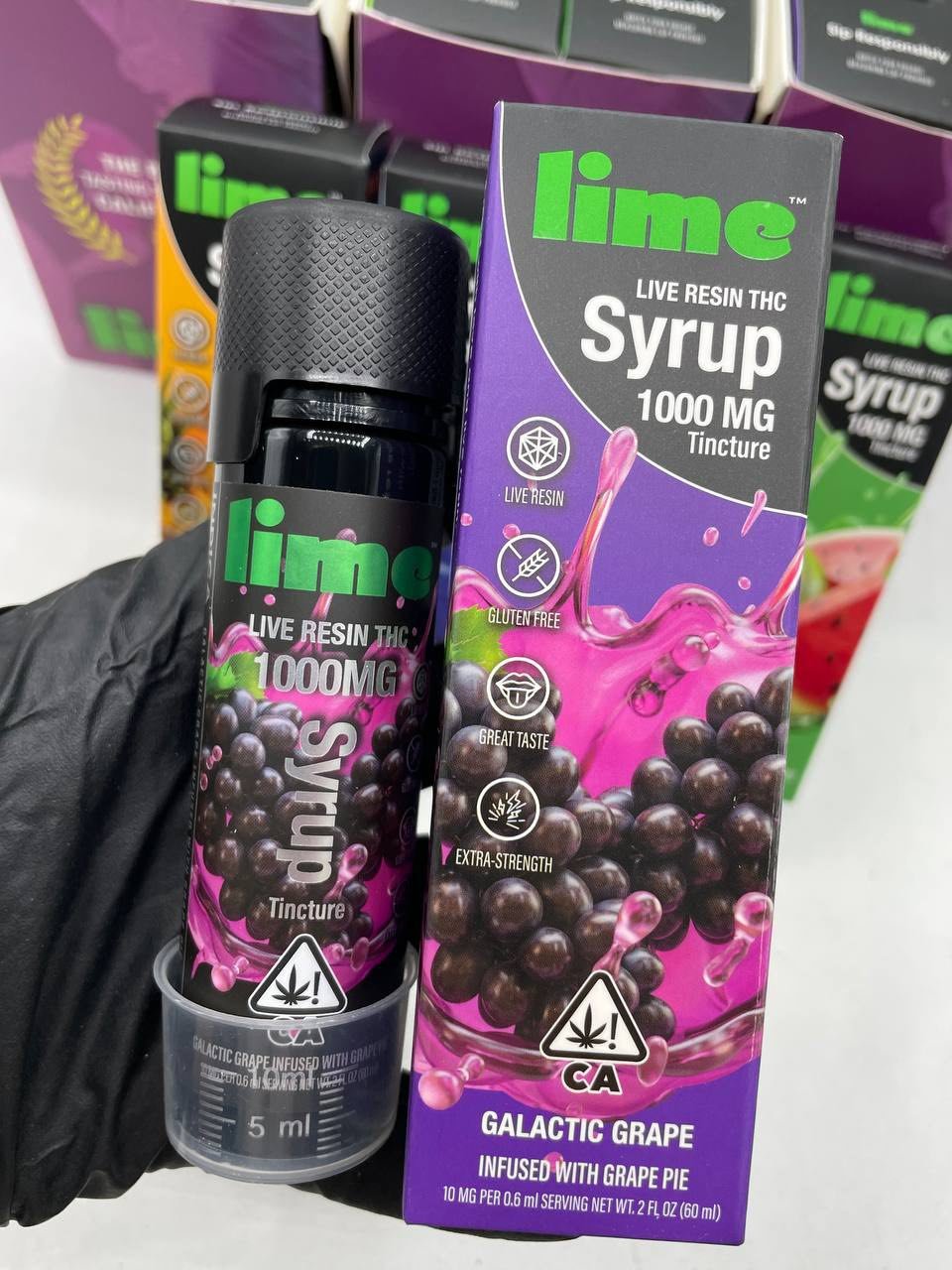
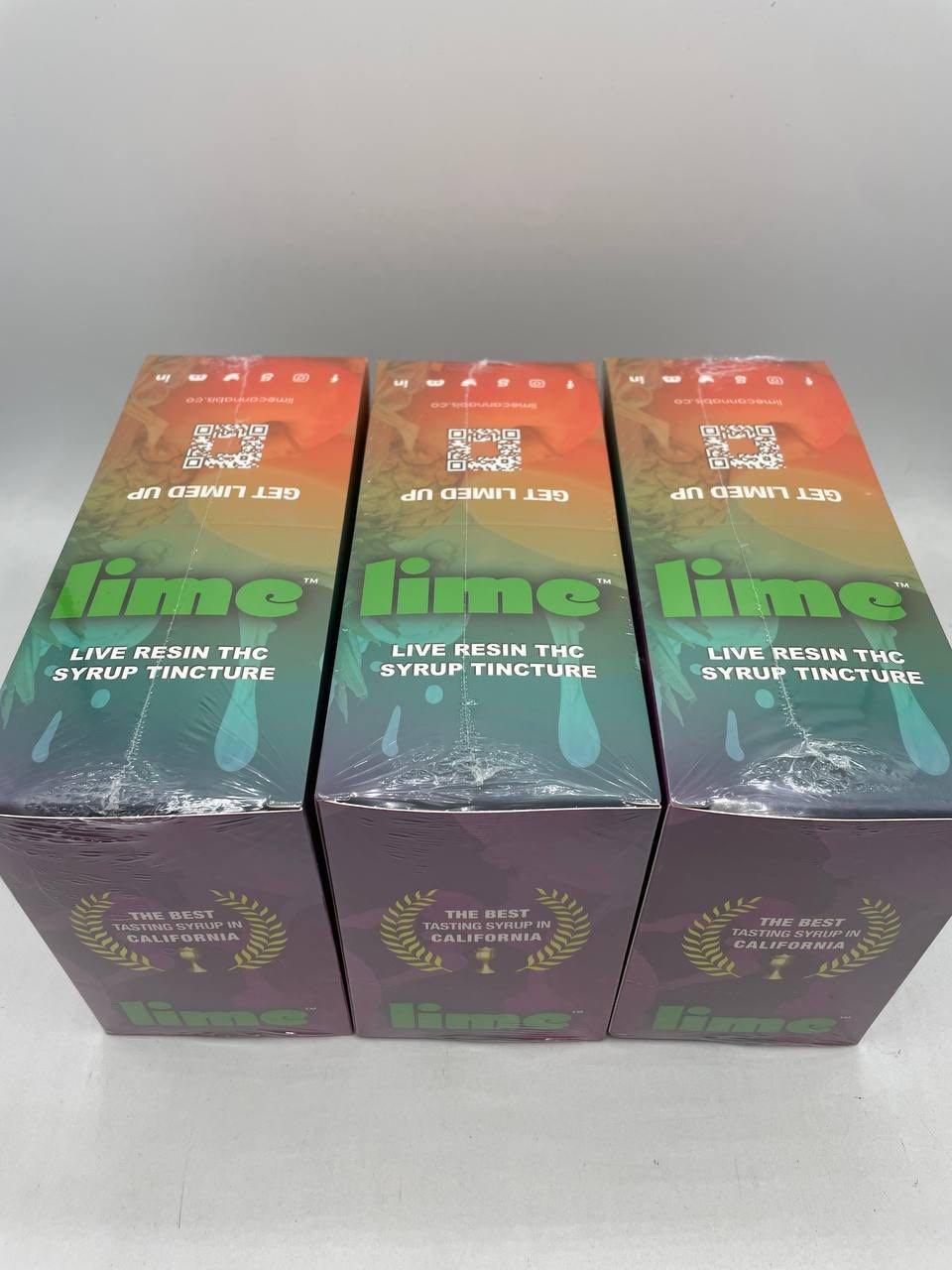
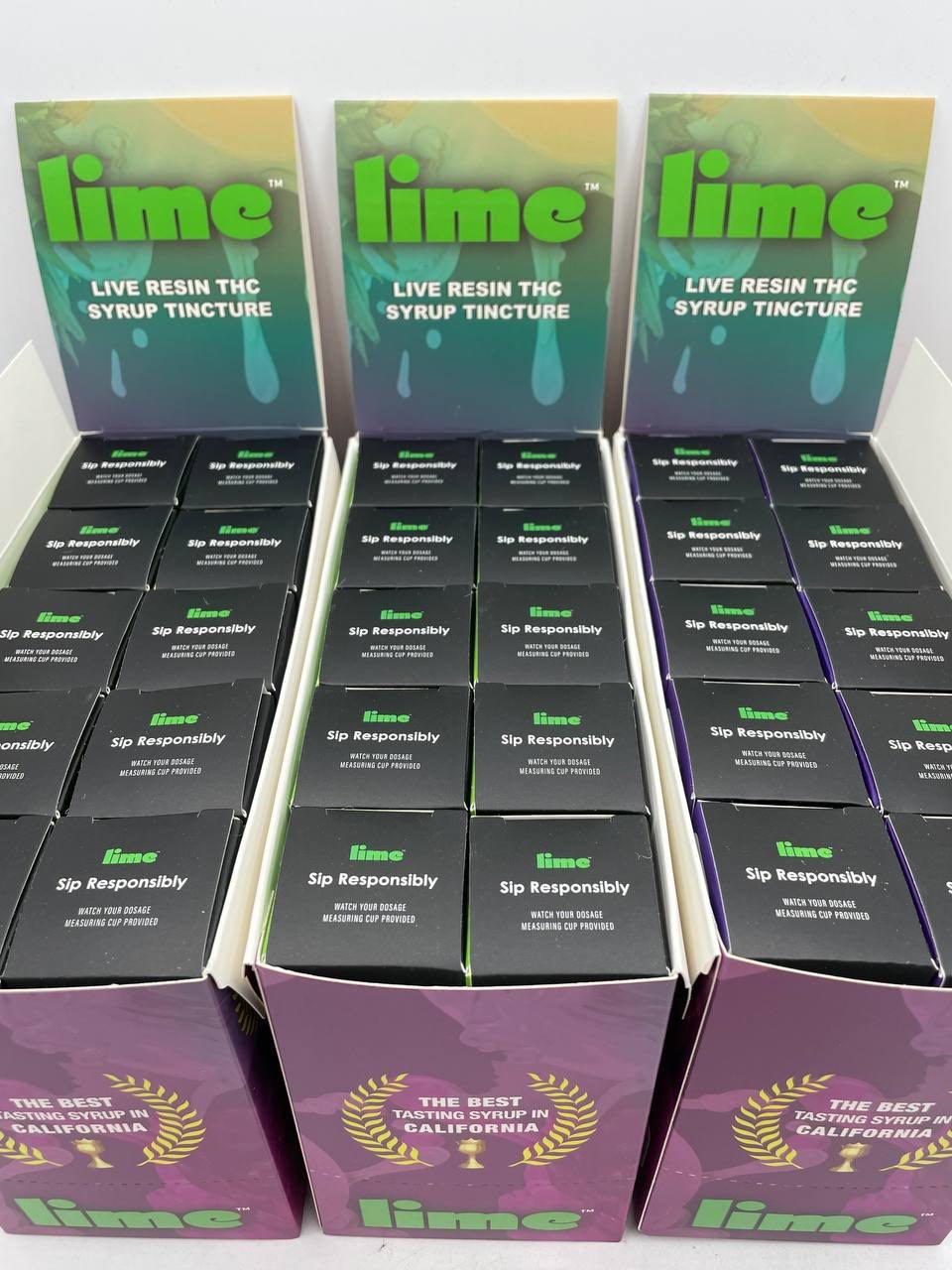
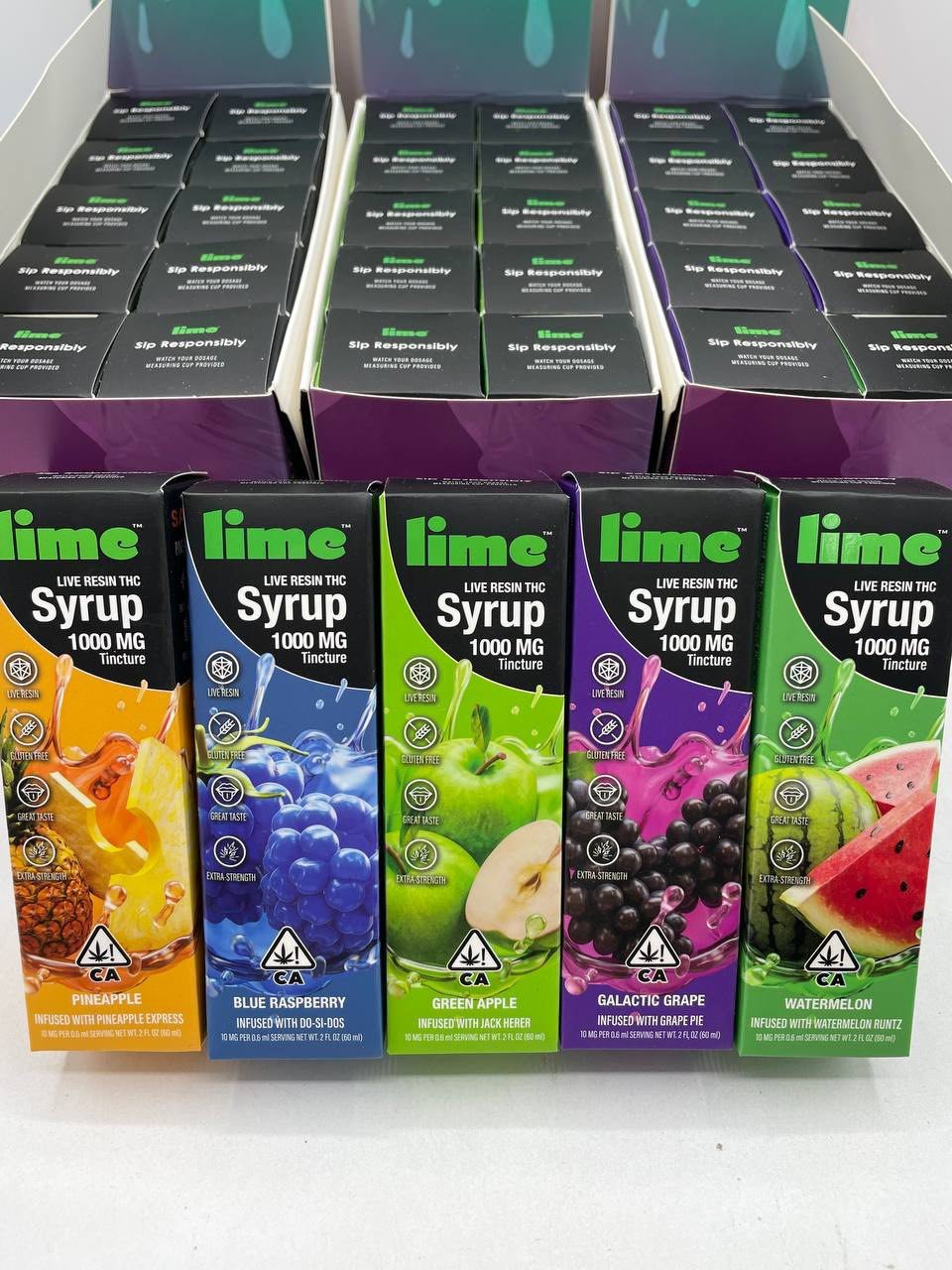
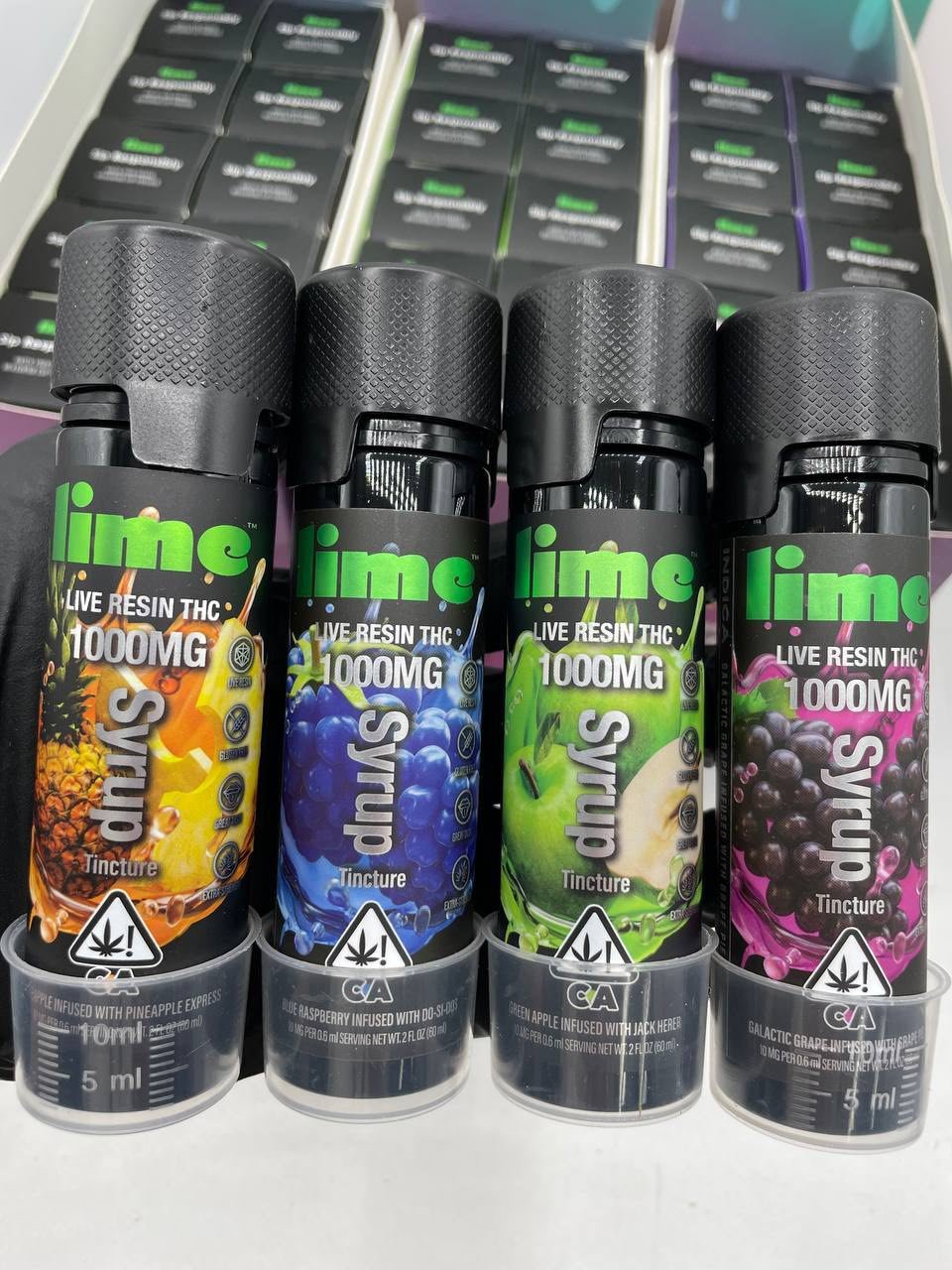
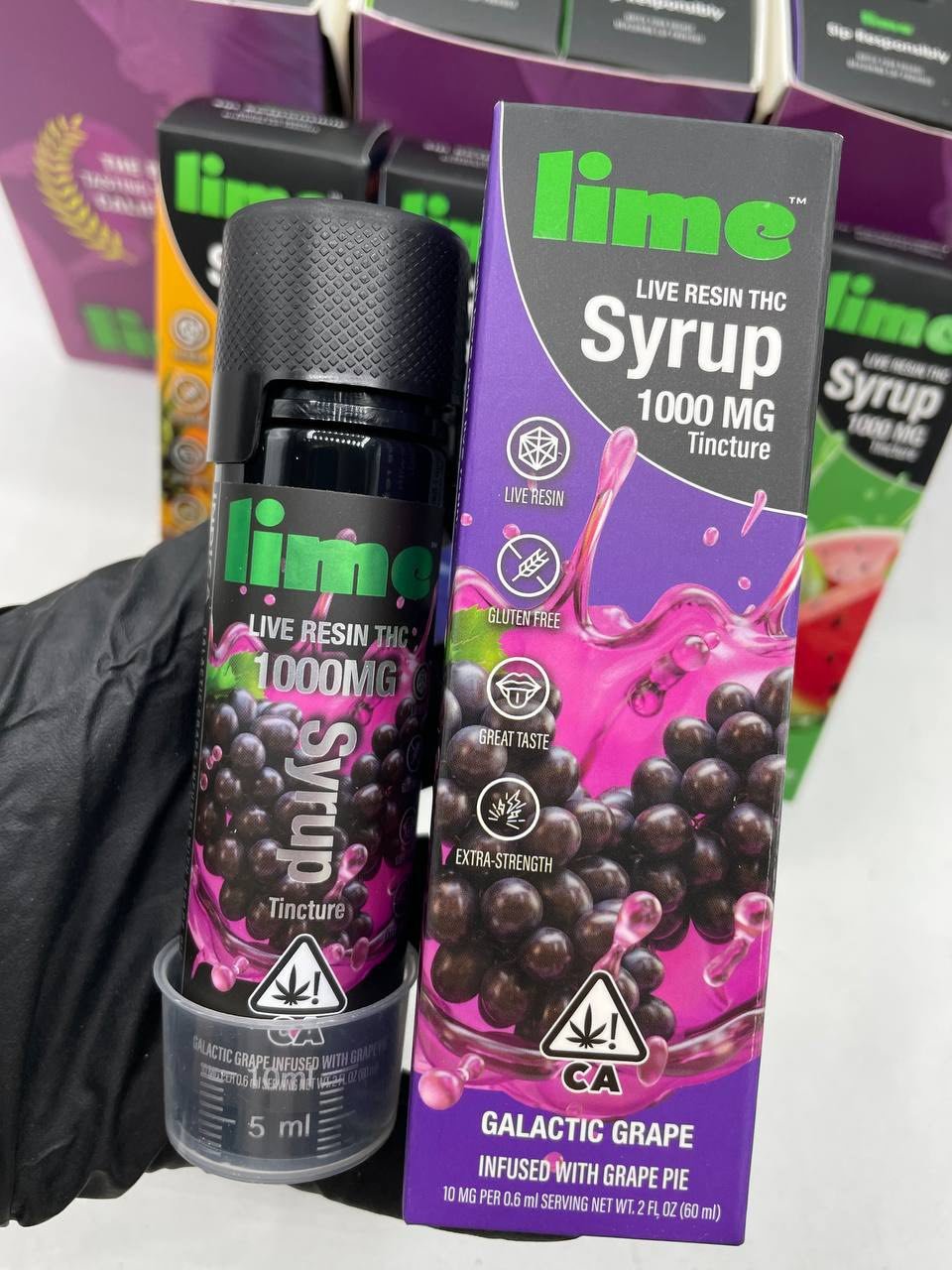

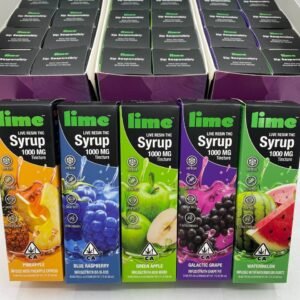
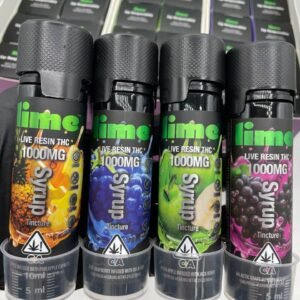

Buy Lime Live Resin THC Syrup

Price range: $20.00 through $800.00
Discover Lime Live Resin THC Syrup, a premium cannabis-infused syrup crafted with potent live resin extract for maximum flavor and effects. Perfect for mixing into drinks, enjoying with edibles, or savoring on its own, this syrup delivers smooth relaxation and elevated experiences. Shop now for authentic Lime THC Syrup online with fast shipping, wholesale deals, and trusted quality from verified cannabis brands.
Lime Live Resin THC Syrup — Premium Live Resin Syrup
Introduction — What is Lime Live Resin THC Syrup?
Lime Live Resin THC Syrup is a premium cannabis concentrate formulated as a syrup-like product, made using live resin extraction to preserve the full terpene profile and aromatic character of fresh lime-dominant cannabis flower. Unlike distillate syrups that are heavily refined and often stripped of terpenes, live resin syrup retains the plant’s original aroma and flavor compounds, delivering a bright citrus-forward taste, nuanced entourage effects, and a more authentic cannabis experience.
At a Glance — Key Product Facts
- Product: Lime Live Resin THC Syrup
- Form: Viscous syrup / concentrate (scoop/dropper-able)
- Extraction: Live resin extraction (hydrocarbon or solventless live resin depending on brand)
- Primary Notes: Fresh lime, citrus zest, floral, subtle herbal background
- THC Potency: Typically ranges 50%–90% THC by weight depending on formulation (see COA)
- Best Uses: Direct microdosing (sublingual), tincture blending, edible infusion, topicals (where legal), and vape-compatible (formulation-dependent)
- Testing: Third-party COAs for potency, residual solvents, pesticides, heavy metals, and microbial contaminants recommended
Why “Live Resin” Matters — Science & Sensory
Live Resin vs. Conventional Extracts
Live resin uses fresh-frozen cannabis flower (rather than dried/cured material) that is frozen immediately after harvest. Freezing preserves volatile terpenes and flavonoids. The result is an extract that:
- Retains more terpenes and aromatic molecules.
- Preserves nuanced flavor (bright lime, lemon peel, green citrus).
- Produces a more complete entourage effect—users often describe fuller body effects and a more layered high.
Conventional distillates deliver high THC but often lack terpene complexity. Live resin syrup combines both potency and taste.
Terpenes That Define Lime Live Resin
Typical terpenes in lime-forward live resin include:
- Limonene: Citrus, elevating and uplifting.
- Linalool: Floral, calming undertone.
- Myrcene: Earthy, sedative blending.
- β-Caryophyllene: Spicy, interacts with CB2 receptors.
- Terpinolene / Nerolidol: Light herbal or floral complexity.
Terpene ratios matter — a lime live resin will be limonene-dominant with citrus zest up front and softer herbal notes behind.
How Lime Live Resin THC Syrup Is Made (High-Level, Non-Technical)
This overview explains the process without revealing proprietary trade secrets and while emphasizing safety and compliance.
- Harvest & Flash Freeze: Freshly harvested plants are flash-frozen to lock in terpenes.
- Extraction: Solvent extraction (butane/propane or other hydrocarbon blends) or solventless techniques isolate cannabinoids + terpenes from frozen biomass. Live resin as a category often uses hydrocarbon extraction for terpene preservation.
- Purge & Refinement: Extracts are purged of residual solvents under vacuum and low heat. For a syrup, some manufacturers lightly modify viscosity and stability using approved, food-grade carriers or emulsifiers—always listed on the label.
- Formulation: Terpene and cannabinoid profiles are balanced. In a live resin syrup, producers aim to preserve the natural terpene composition rather than reintroduce large amounts of isolated terpenes.
- Testing & Bottling: Each batch undergoes third-party testing (COA) before packaging in amber glass or syrup-friendly containers to prevent light degradation.
Note: Reputable brands publish Certificates of Analysis (COAs) showing THC/CBD concentrations, terpene breakdown, and safety test results.
Ingredients — What to Expect on the Label
A transparent brand label typically includes:
- Live Resin Extract (Cannabis): Primary ingredient (specific strain noted e.g., Lime Kush Live Resin).
- Carrier Oil or Food-Grade Solvent (if used): MCT oil, fractionated coconut oil, or approved food-grade glycerin (brands vary). Some syrups use minimal carrier to maintain viscosity.
- Natural Terpenes (occasionally added): Only if they are declared; high-quality live resin needs minimal added terpenes.
- Stabilizers/Emulsifiers: Lecithin or food-grade emulsifiers for edible formulations—declared on label.
- Preservatives: Rare in fresh live resin; some formulations may include preservatives for shelf life—must be listed.
Always check the label and COA for residual solvent levels, pesticide results, and exact cannabinoid percentages.
Potency & Dosing — Practical Guidance (Non-Medical)
Important: This is educational, not medical advice. Dosage depends on experience, tolerance, and local law. Start low and slow.
- Beginner microdose: 1–2 mg THC (0.001–0.002 g of concentrate) — many people start with 1–2 mg THC equivalents.
- Low-moderate: 5–10 mg THC — common for casual users.
- Experienced users: 10–30+ mg THC — for those with higher tolerance.
How to measure:
- Use a calibrated dropper or micro-spoon; if product lists THC per mL, compute mg of THC per drop. Example: if syrup is 500 mg THC per 10 mL, then 1 mL ≈ 50 mg THC. Divide accordingly for microdosing.
Administration routes & onset:
- Sublingual (under tongue): Faster onset (15–45 minutes), good for microdosing.
- Oral ingestion (mixed into food/drink): Slower onset (30–120 minutes) but longer duration.
- Topical application: Localized effects; systemic absorption is minimal unless formulation contains transdermal enhancers.
- Vape use: Only if label confirms vape compatibility—do not vape oil/syrup not designed for inhalation.
Safety tip: Keep syrup out of children’s reach; treat like any edible or concentrate.
Effects — What Users Typically Report
Because live resin preserves terpenes, user-reported effects are often more nuanced:
- Initial uplift: Bright citrus terpenes (limonene) can cause mood uplift and energy.
- Balanced body relaxation: Depending on the strain, a mix of relaxing and creative effects.
- Clear-headed euphoria: Many prefer live-resin profiles for an articulate, flavorful high without the “empty” feeling of pure distillate.
- Longer-lasting duration when ingested: Oral consumption tends to last longer than inhalation.
Expect variability: effects hinge on dose, THC percentage, and individual biochemistry.
Flavor & Aroma — Lime Character Explained
Lime live resin is prized for its:
- Zesty top notes: Fresh lime rind, sparkling citrus.
- Mid notes: Sweet citrus pulp, subtle floral lift (linalool).
- Base: Mild herbal, almost green pepper or mint-like finish depending on strain genetics.
Pairing: Lime syrup blends well with neutral beverages (soda water, iced tea), sweet juices, or as a finishing drizzle on THC-infused desserts (where legal).
Use Cases & Recipes (Compliance-Safe, Non-Illicit Guidance)
Sublingual microdose: Place a tiny amount under the tongue, hold for 30–60 seconds, swallow. This encourages faster absorption.
Beverage infusion (non-alcoholic): Stir a carefully measured microdose into a cold beverage; for consistent dosing, pre-mix into a measured volume.
Cooking & Edibles: Use lab-verified dosing calculations. Because live resin carries terpenes and delicate aromas, low-temperature recipes preserve flavor better than high-heat methods.
Topicals: Formulated products may mix live resin syrup into topical bases for localized relief (subject to product design and legality).
Important: Never recommend illegal consumption methods. Always follow local laws and product labeling.
Third-Party Testing & Transparency — The EEAT Cornerstone
A trustworthy Lime Live Resin brand will provide:
- COA (Certificate of Analysis) per batch showing:
- THC/CBD potency (mg/g or % by weight)
- Full terpene profile (limonene, linalool, myrcene, etc.)
- Residual solvent screening (must be under limits)
- Pesticide panel (ND = non-detectable preferred)
- Heavy metals & microbial tests
- Batch number & harvest date easily visible on packaging.
- Chain of custody or supply chain notes (where the hemp/cannabis was grown, indoor/outdoor/greenhouse).
- Manufacturing standards: GMP-like processes, food-grade facilities, and sanitation records.
If a product lacks a COA, treat that as a red flag.
Safety & Legal Considerations
Legality
Cannabis laws vary widely by country, state, and even city. Key points:
- Check local law before purchasing, possessing, or consuming THC products.
- Some jurisdictions permit medical THC but not recreational. Others restrict forms (smokeable vs. ingestible).
- Export/import of THC syrup across borders is typically illegal.
Health & Safety
- Dosage caution: THC affects cognition, coordination, and perception—avoid driving or operating heavy machinery after consumption.
- Pregnancy & breastfeeding: Avoid all THC products.
- Interactions: THC can interact with prescription medications—consult a healthcare professional if you are on medications (especially CNS depressants or blood thinners).
- Allergy & sensitivity: If you have food allergies or sensitivity to carriers (MCT, glycerin), check label.
Storage & Disposal
- Store in a cool, dark place (refrigeration can extend shelf life for terpene preservation).
- Keep sealed to prevent oxidation and loss of volatile terpenes.
- Dispose of unused product responsibly per local hazardous waste or pharmaceutical guidance.
Packaging, Shelf Life & Stability
- Packaging: Amber glass dropper bottles or opaque PET syringes to limit light exposure. Child-resistant caps are standard for THC products.
- Shelf life: With proper storage, live resin syrup generally maintains quality for 6–12 months; refrigeration can extend terpene life.
- Stability factors: Heat, light, and oxygen degrade terpenes and oxidize cannabinoids—look for COA dates and batch freshness.
Sustainability & Sourcing — What To Look For
- Sustainable cultivation: Brands sourcing from regenerative farms (organic inputs, water conservation) are preferable.
- Energy considerations: Indoor grows have high energy use; greenhouse or sun-assisted operations can reduce carbon footprint.
- Pack recycling: Glass bottles are more recyclable than single-use plastics; some brands run take-back programs.
Consumers increasingly reward brands that publish sustainability metrics and supplier audits.
Buying Guide — How to Choose a Trustworthy Lime Live Resin THC Syrup
- Demand COAs: Potency + safety testing.
- Check strain genetics: Many lime profiles are from specific cultivars; strain transparency matters.
- Examine extraction method: Live resin from fresh-frozen plants is preferred. Solventless live resin (rosin) is an option if you prefer solventless extraction.
- Look for clear dosing info: mg THC per mL should be stated.
- Evaluate packaging & storage instructions: Amber glass, child-resistant caps, shelf life dates.
- Read reviews & community feedback: Real-world experience is valuable but subjective—use it alongside COAs.
- Assess retailer reputation: Licensed dispensaries and verified online retailers reduce counterfeit risk.
FAQ — (SEO-Friendly, EEAT-Compliant)
Q: Is Lime Live Resin THC Syrup safe to ingest?
A: When produced by licensed manufacturers with third-party testing and used within recommended doses, it can be used safely. Confirm COAs and follow dosing guidance. Avoid if pregnant, breastfeeding, or on interacting medications.
Q: How long before effects kick in?
A: Sublingual use can take 15–45 minutes; oral ingestion mixed into food/drink may take 30–120 minutes. Onset varies by metabolism and dose.
Q: Can I vape this syrup?
A: Only vape if the label explicitly states vapor compatibility. Do not vape products not designed for inhalation—this can be dangerous.
Q: How should I store Lime Live Resin Syrup?
A: Store sealed in a cool, dark place. Refrigeration can extend terpene life. Keep away from children and pets.
Q: Will live resin taste strongly of lime?
A: Yes—live resin preserves fresh lime terpenes, offering bright citrus notes. Flavor intensity varies by strain and terpene concentration.
Q: Are live resin syrups legal everywhere?
A: No. THC legality depends on jurisdiction. Always check your local laws before buying or consuming.
Labeling & Marketing Copy That Aligns With EEAT
When writing product pages or labels, prioritize clarity and verifiability:
- Include batch number & link to COA.
- State exact THC content per mL and per bottle.
- List full ingredients and any carriers/emulsifiers.
- Offer suggested microdosing chart (example doses with mg THC).
- Provide storage, safety warnings, and legal disclaimers.
Example short marketing blurb (EEAT-aligned):
Lime Live Resin THC Syrup — crafted from fresh-frozen lime-dominant flower and solvent-purged under strict GMP-like controls. Each batch includes a publicly accessible COA validating potency and safety. Microdose with precision — 5–10 mg recommended for new users. Check local laws before purchase.
Common Misconceptions — Clarified
- “Live resin = solvent residues.” Not necessarily. Reputable live resin is properly purged and tested. Residual solvents should be below regulatory limits per COA.
- “Higher THC is always better.” Not always — high THC without terpene presence can feel harsh or hollow. Live resin aims for meaningful terpene-cannabinoid synergy.
- “All syrups are equal.” No—carriers, extraction methods, and lab testing differentiate quality.
Sample Content Plan (SEO Suggestions for Your Product Page)
- H1: Lime Live Resin THC Syrup — Fresh Lime, Full Terpene Profile (50–60 chars)
- Meta description: Preserve the bright lime flavor and full entourage effect with our Lime Live Resin THC Syrup. Lab-tested, strain-specific, and microdose-friendly.
- H2 sections: Extraction & Lab Testing, Potency & Dosing, Flavor Profile, How to Use, Safety & Legal, FAQs.
- Structured data: Product, AggregateRating, Offer (price + availability), and COA as a linked resource.
Troubleshooting & Customer Support Tips
If customers report issues:
- No effect / weak: Verify dose and batch potency (check COA). Ensure proper administration route (sublingual vs oral).
- Harsh taste or throat irritation: Could be from carrier or high terpene concentration — advise smaller doses or mixing into beverage.
- Allergic reaction: Stop use immediately; seek medical guidance. Check ingredient list for known allergens.
Brands should offer clear return/refund policies and batch recall procedures.
References & Further Reading (Authoritative Sources)
For credibility on your site, link to high-quality references when making claims (examples):
- Peer-reviewed studies on terpene effects and entourage phenomenon.
- Official guidance from state cannabis regulatory bodies describing testing standards.
- Reputable industry lab testing methodology resources (ISO-standard labs).
(When publishing, include live links to COAs and regulatory sources to support EEAT signals.)
Final Thoughts — Why Lime Live Resin THC Syrup Is Special
Lime Live Resin THC Syrup occupies a unique niche between pure distillate concentrates and traditional edibles. It delivers:
- Authentic flavor from live resin terpenes, especially lime/ citrus.
- Flexible dosing for sublingual, edible, or topical use.
- Potentially richer subjective effects thanks to preserved terpene profiles.
- Versatility for culinary and lifestyle uses (where legal).
| Flavors | Lime, Sour Lime, Sweet Lime, Citrus Lime, Lemon Lime, Tropical Lime, Key Lime, Lime Mojito, Fresh Lime Zest, Spicy Lime, Mint Lime, Tangy Lime, Lime Margarita, Lime Cola |
|---|
Be the first to review “Buy Lime Live Resin THC Syrup”
Related products
Dabbin Dotz Badder Edition
Price range: $200.00 through $1,000.00
Reviews
There are no reviews yet.