
No products in the cart.
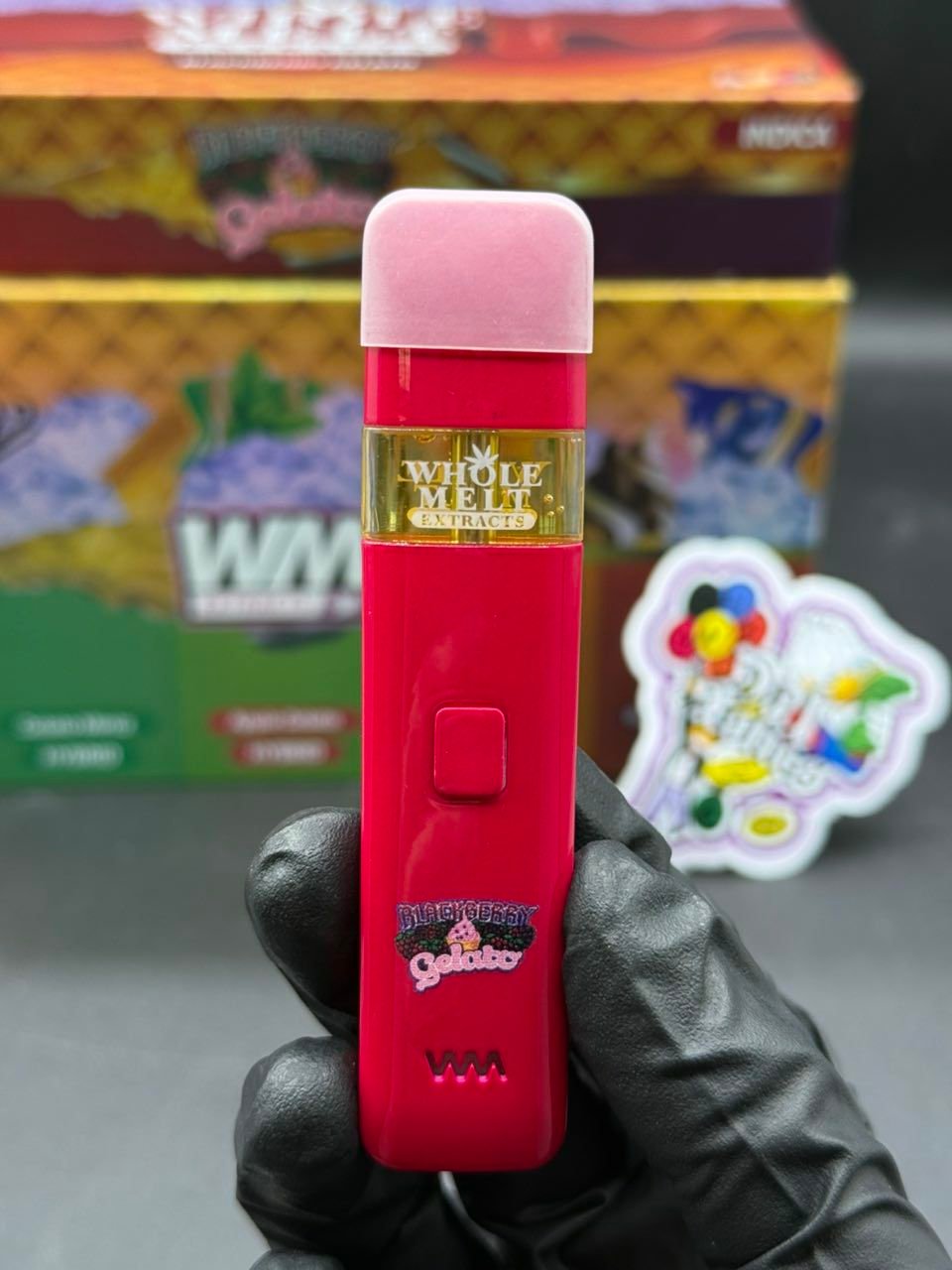
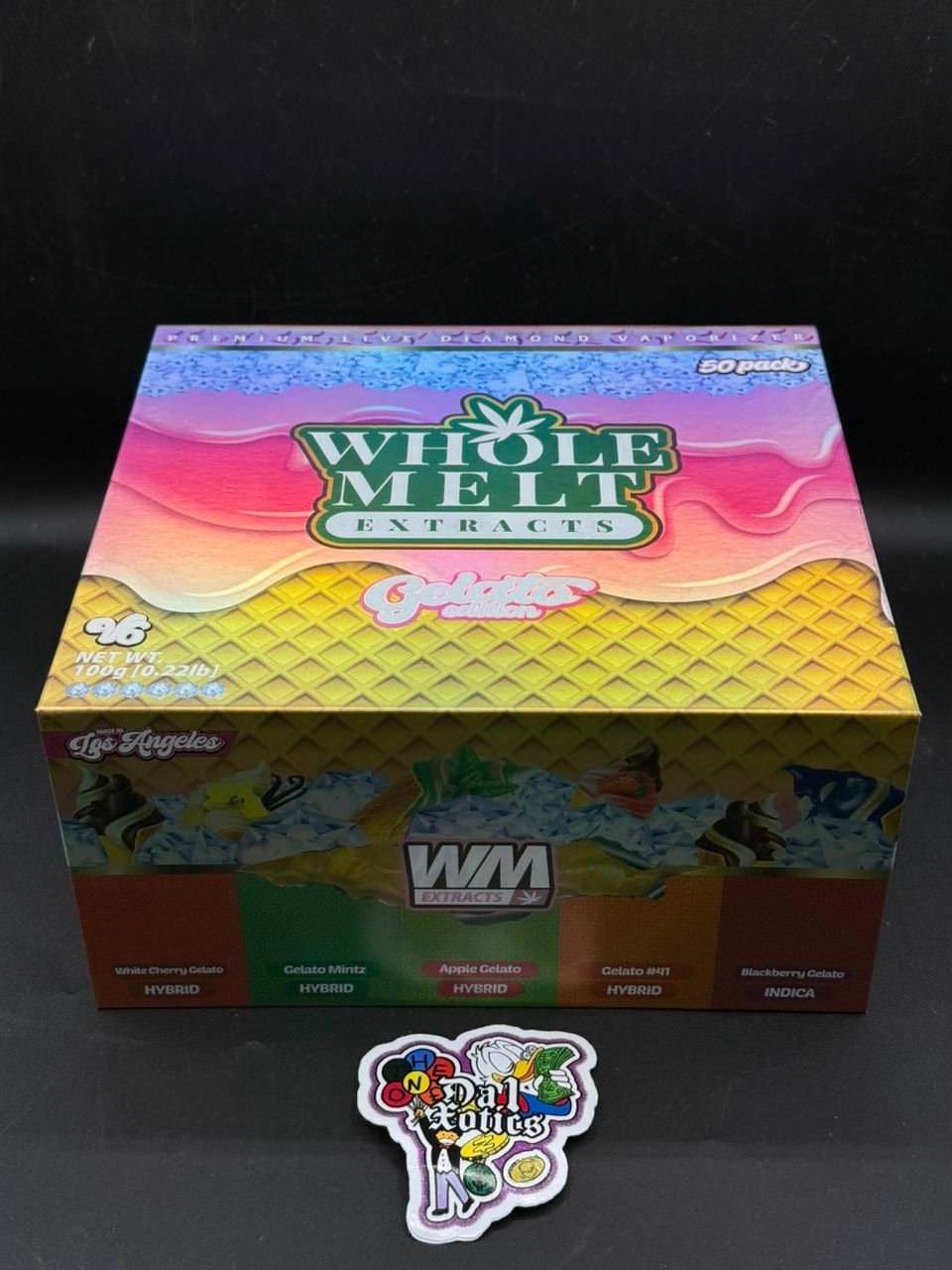
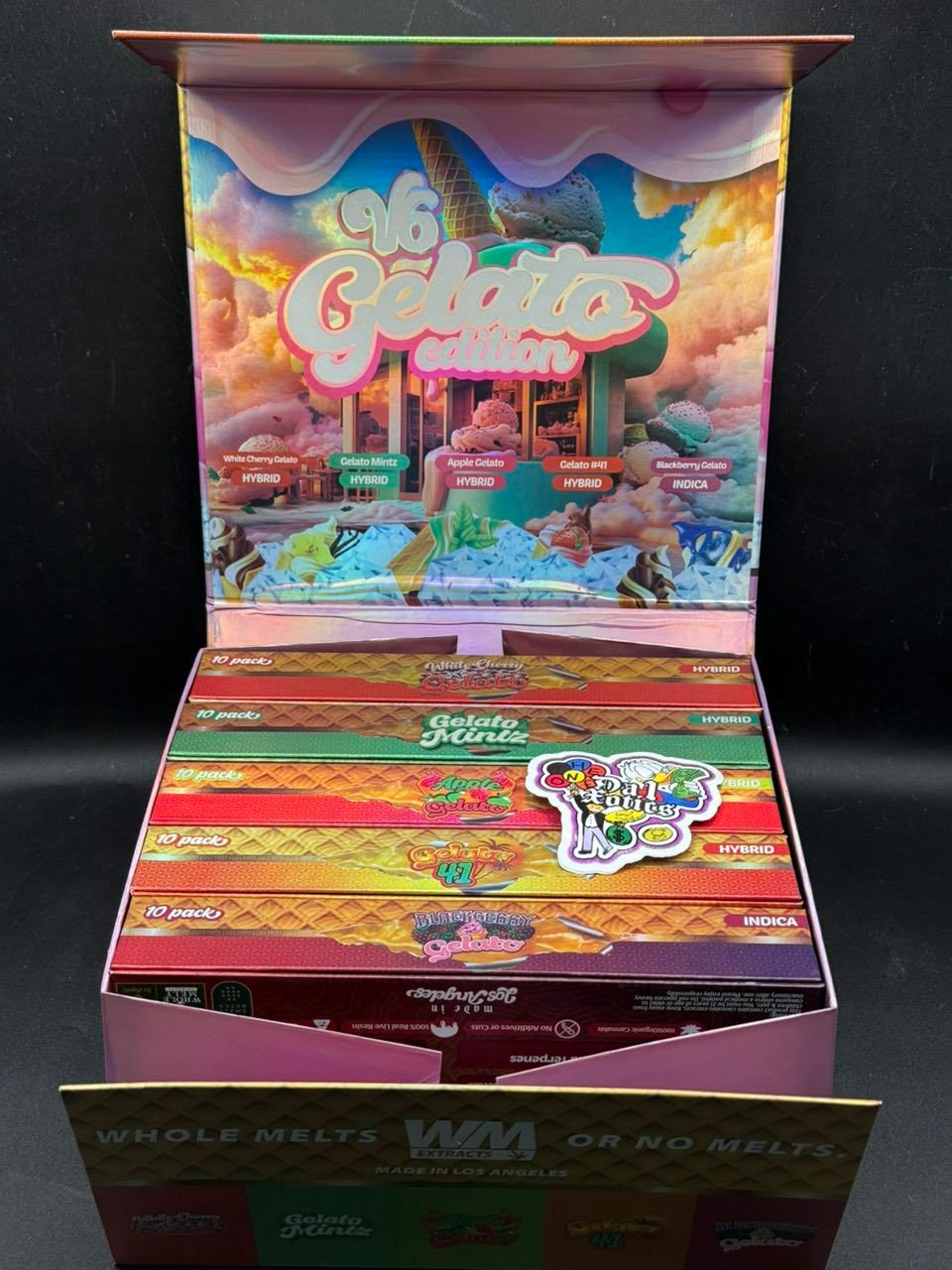
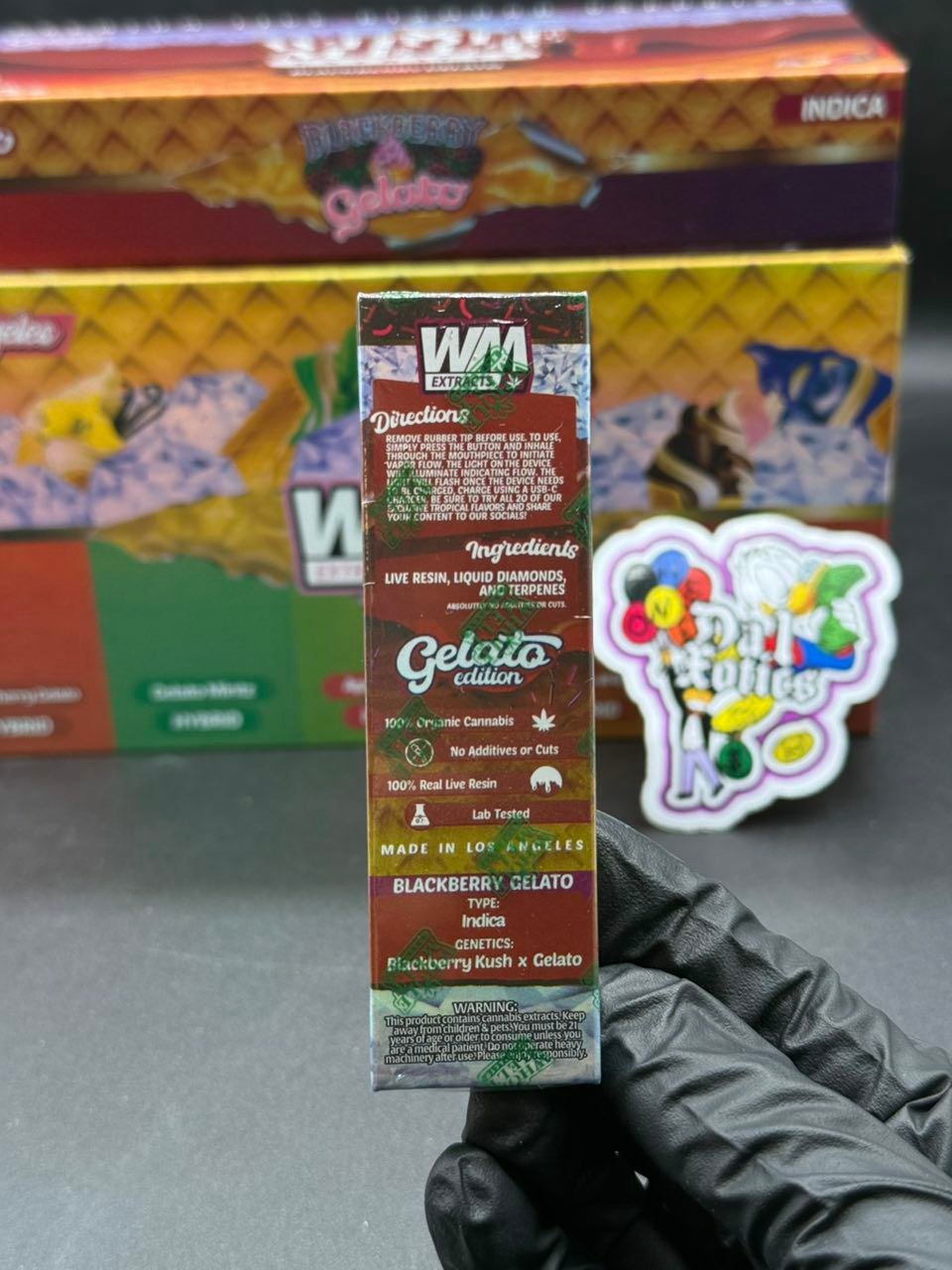

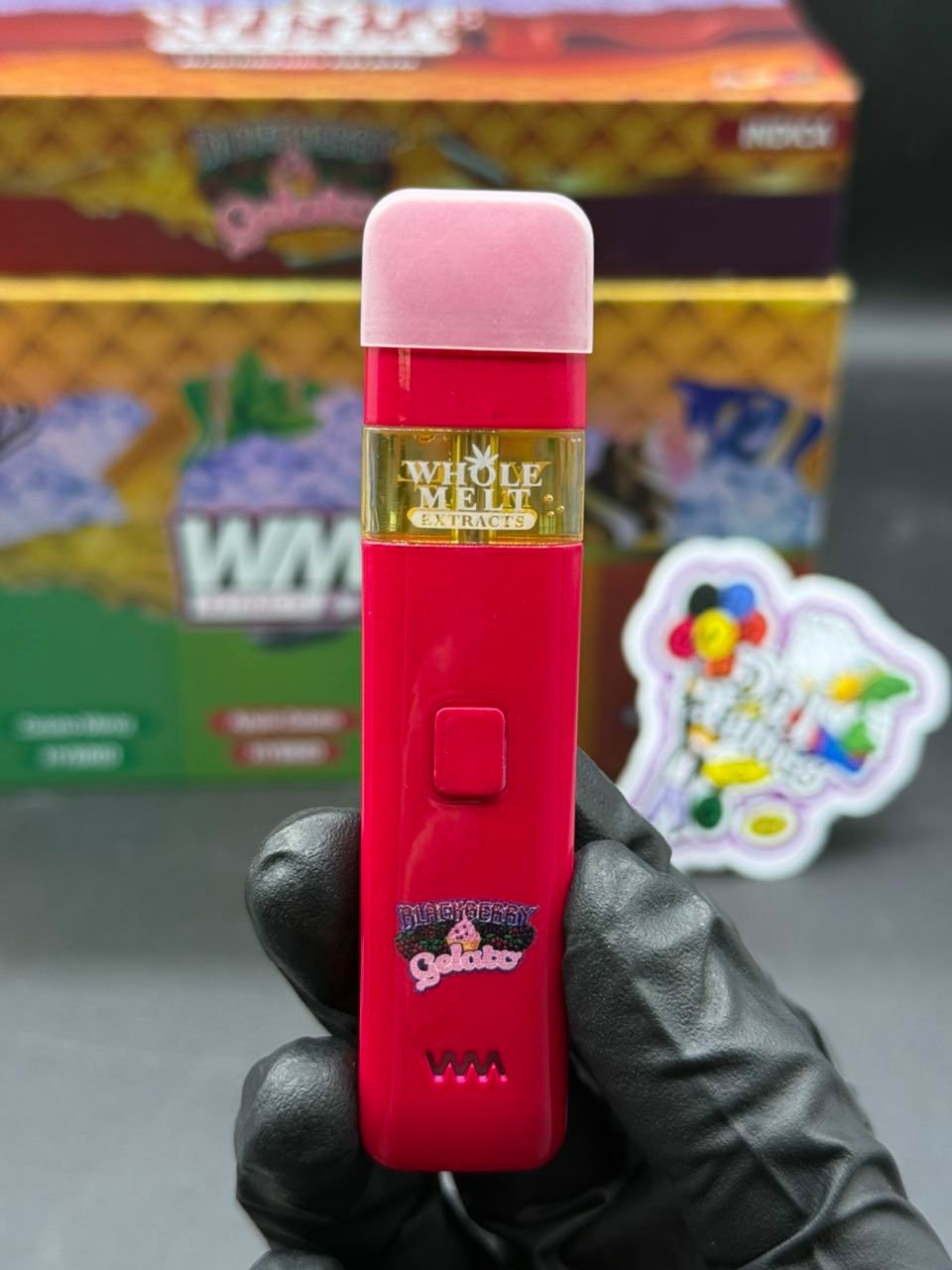





WholeMelt Gelato v6 Edition: Informational Overview, Versioning Context, and Consumer Transparency
Introduction
WholeMelt Gelato v6 Edition is commonly referenced online as a versioned, branded product within a regulated and age-restricted category. Because products in this category are subject to evolving regulations, labeling standards, and public policy discussions, it is important to approach information about them with clarity, neutrality, and accuracy. This guide is designed to provide contextual understanding rather than promotion. It explains how versioned editions are typically presented, what labeling terms may signify, and why experience, expertise, authoritativeness, and trustworthiness (EEAT) matter when evaluating online product information.
Understanding Versioned Editions
The “v6 Edition” label indicates that the product belongs to a specific iteration within a broader product line. In many regulated consumer categories, version numbers are used to differentiate changes in:
- Physical design or form factor
- Internal component configuration
- Manufacturing batches or supplier changes
- Packaging or labeling updates to meet regulatory requirements
A version label alone does not imply superiority, safety, effectiveness, or regulatory approval. Instead, it serves as a reference point for traceability and product identification. Consumers and researchers should treat version numbers as descriptive identifiers, not performance claims.
The Meaning of “Gelato” as a Label
“Gelato” is widely used as a marketing or flavor designation across multiple industries. Within regulated product spaces, such names are typically non-technical descriptors rather than ingredient lists. They should not be interpreted as guarantees of composition, sensory outcome, or quality. Responsible informational content clarifies that:
- Flavor names are labels, not formulations
- Naming conventions may vary by region and manufacturer
- Availability and naming can change over time
Understanding this distinction helps prevent confusion and supports informed interpretation of product listings.
Product Categorization and Design Context
WholeMelt Gelato v6 Edition is often discussed within the context of sealed, non-refillable, single-unit devices or packaged consumer goods. Products in this category commonly share characteristics such as:
- Factory-sealed construction
- Integrated internal components
- Non-serviceable design intended for limited lifecycle use
From an informational standpoint, these characteristics raise important considerations around traceability, labeling accuracy, and environmental impact, rather than usage or performance.
Labeling Standards and Transparency
Accurate labeling is central to consumer trust and regulatory compliance. Informational pages should clearly distinguish between:
- Brand name vs. manufacturer
- Product name vs. version identifier
- Marketing descriptors vs. factual disclosures
Key labeling elements often discussed in neutral overviews include batch or lot numbers, production dates, and general compliance statements. These elements support accountability and traceability, particularly in markets where oversight requirements vary by jurisdiction.
Regulatory Awareness and Regional Context
Regulation of age-restricted and controlled consumer products differs significantly across regions. In the United States, oversight may involve federal guidance combined with state-level rules. In other regions, different agencies and standards apply. Because of this complexity:
- Online information should avoid absolute claims
- Content should acknowledge regional variation
- Readers should be encouraged to consult authoritative local sources
An EEAT-aligned page does not attempt to replace official guidance; instead, it provides context and educational framing.
Manufacturing and Supply Chain Considerations
Many branded products are produced through contract manufacturing arrangements, where brand owners and manufacturers are separate entities. Understanding this structure helps explain why:
- Similar products may appear under different brand names
- Packaging and labeling styles may change between versions
- Supply chain transparency becomes an important discussion point
Neutral informational content focuses on process awareness, not endorsement.
Quality Assurance and Testing References
Testing and quality assurance are frequently mentioned in discussions about regulated products. From an educational perspective, it is important to clarify that:
- Testing references describe procedures, not guarantees
- Standards vary by jurisdiction and laboratory
- Results are time-specific and batch-specific
Responsible content avoids overstating the meaning of testing claims and emphasizes the limits of publicly available information.
Consumer Information Literacy
A core goal of EEAT-compliant content is to improve information literacy. Readers benefit from guidance on how to:
- Evaluate sources and authorship
- Distinguish marketing language from factual statements
- Recognize outdated or misleading claims
By focusing on how to read and interpret information, rather than what to buy or use, educational pages contribute to safer and more informed online ecosystems.
Environmental and Disposal Considerations
Sealed, single-use products raise broader discussions about electronic waste and sustainability. Informational overviews may reference:
- Environmental impact considerations
- Responsible disposal and recycling frameworks
- Ongoing industry discussions about sustainability
These topics are increasingly relevant and align with public interest expectations for transparent product information.
The Role of EEAT in Product Information Pages
Google’s Search Experience Principles emphasize the importance of:
- Experience: Content written with practical understanding of the category
- Expertise: Accurate explanations and appropriate scope
- Authoritativeness: Neutral tone and credible framing
- Trustworthiness: Clear limitations and avoidance of misleading claims
This approach supports long-term visibility and credibility without relying on promotional tactics.
Avoiding Misinformation
Misinformation often arises when product names, versions, or labels are taken out of context. An effective informational page:
- Avoids sensational language
- Separates opinion from fact
- Updates content as regulations and standards evolve
This helps readers form realistic expectations and reduces the spread of inaccurate interpretations.
Why Neutral Language Matters
For regulated or age-restricted categories, neutral language is not only an ethical choice but also a practical one. It:
- Reduces regulatory risk
- Improves user trust
- Aligns with platform and search guidelines
WholeMelt Gelato v6 Edition, when discussed in this way, becomes a case study in responsible product information presentation rather than a sales narrative.
Conclusion
WholeMelt Gelato v6 Edition is best understood through the lens of versioned product identification, labeling transparency, and regulatory context. Rather than focusing on promotion or acquisition, EEAT-aligned content emphasizes education, clarity, and consumer awareness. By understanding how version labels, marketing names, and compliance considerations intersect, readers are better equipped to interpret online product information responsibly.
| Flavors | Gelato, Vanilla Gelato, Birthday Cake, Wedding Cake, Strawberry Gelato, Blueberry Gelato, Chocolate Gelato, 5pack, 10pack, 25pack, 50pack, 100pack |
|---|
Be the first to review “Buy WholeMelt Gelato v6 Edition”
Related products

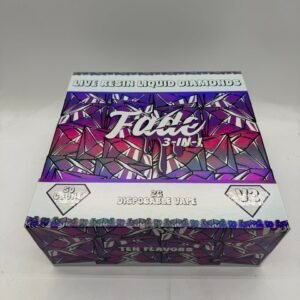
Fade 3in1 2G Disposable
Price range: $25.00 through $1,050.00

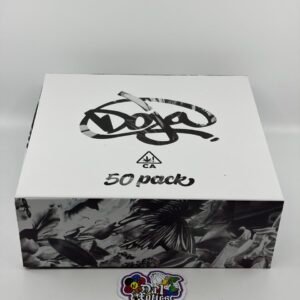
Doja 2G Disposable
Price range: $30.00 through $950.00

Uncategorized
$25.00


Blinkers Disposable Vape
Price range: $30.00 through $900.00

Uncategorized
Price range: $20.00 through $30.00


Sherbinkskis Quattro 2G Disposable
Price range: $25.00 through $800.00
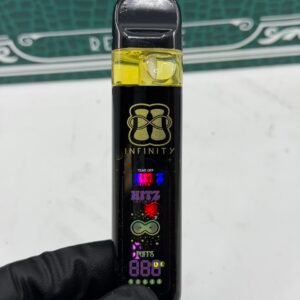
Hitz Infinity Disposable 2G
Price range: $25.00 through $1,050.00


Luigi Live Resin Pre Roll
Price range: $30.00 through $950.00
Reviews
There are no reviews yet.