
No products in the cart.
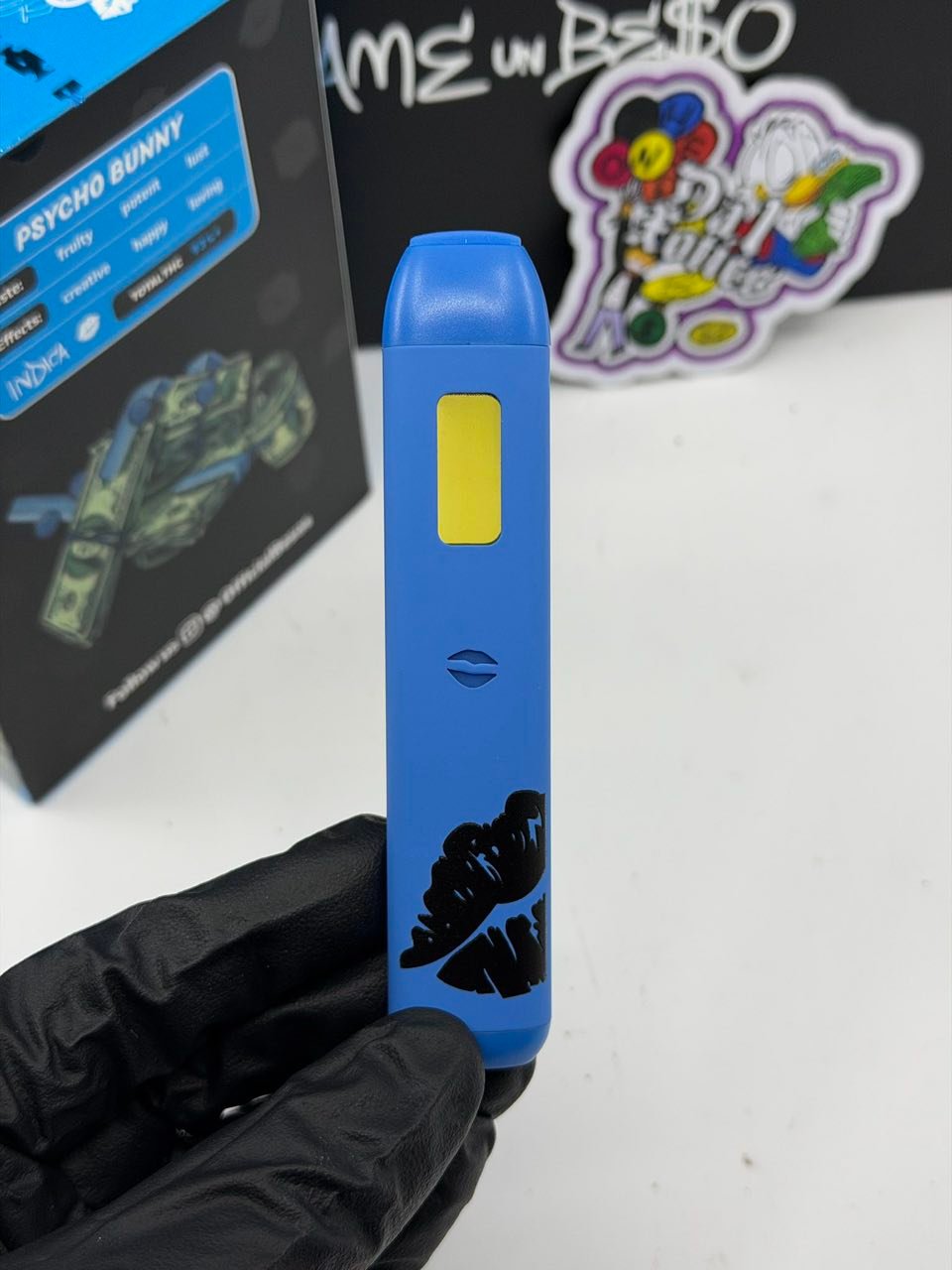
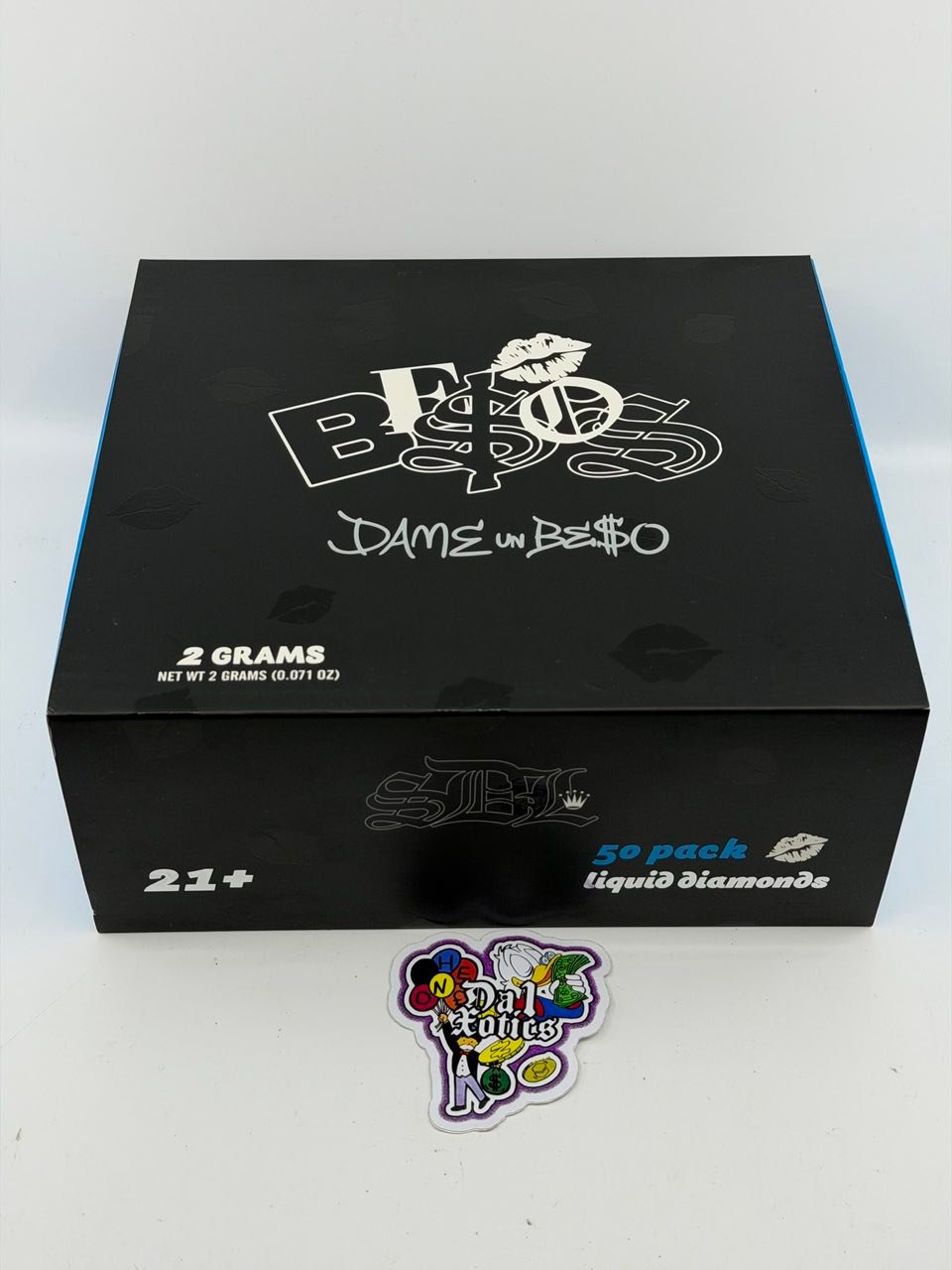
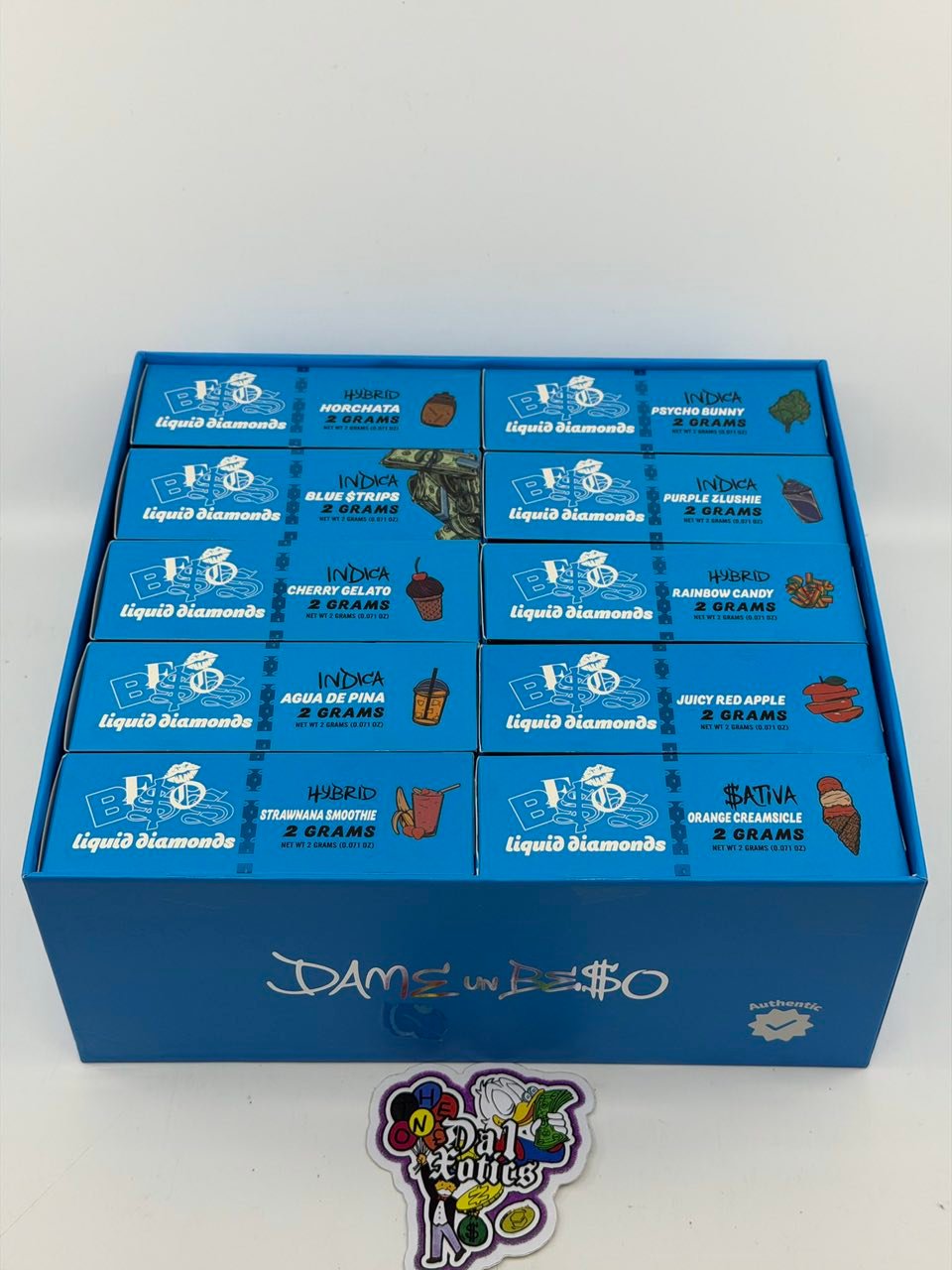
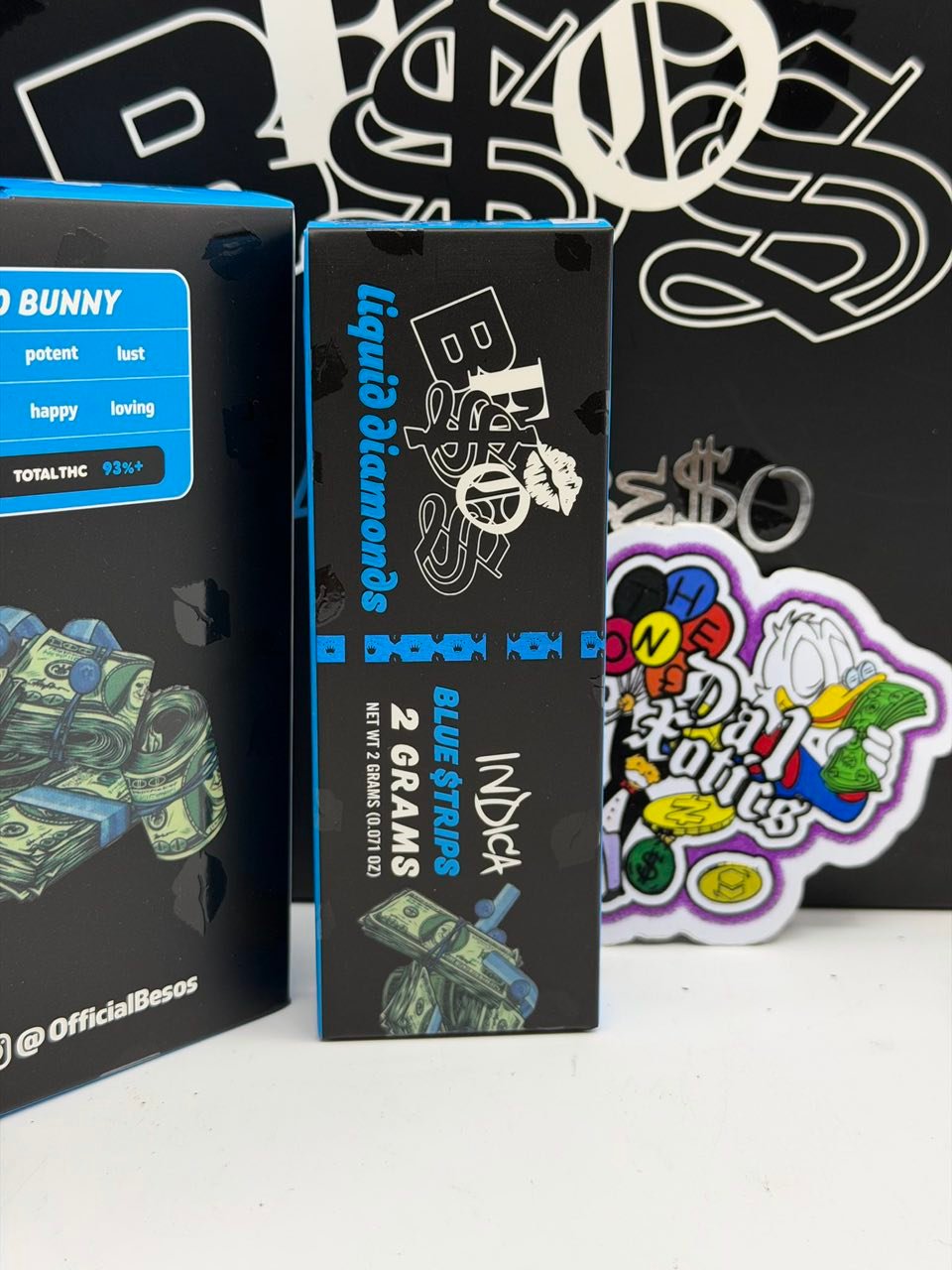
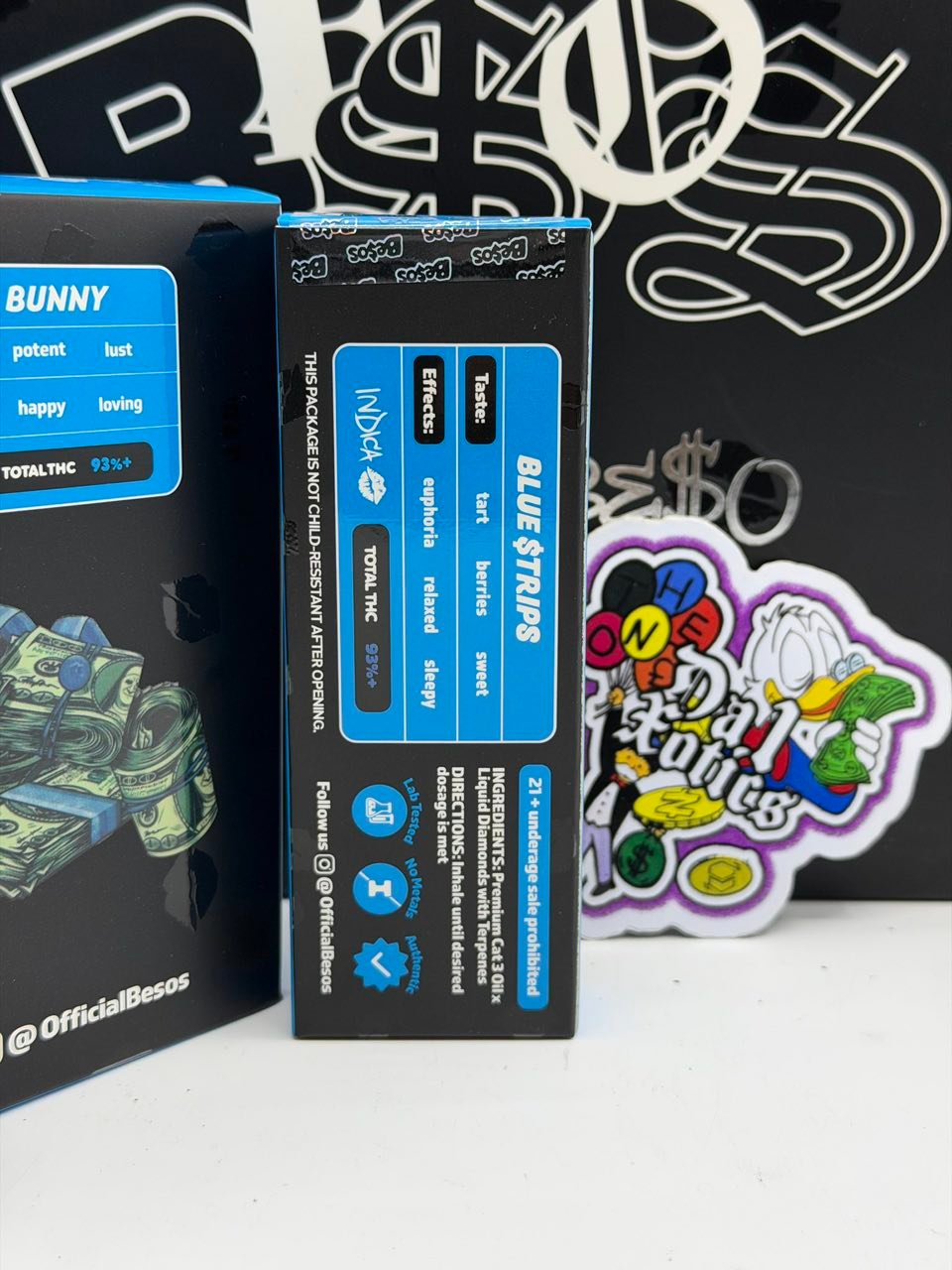
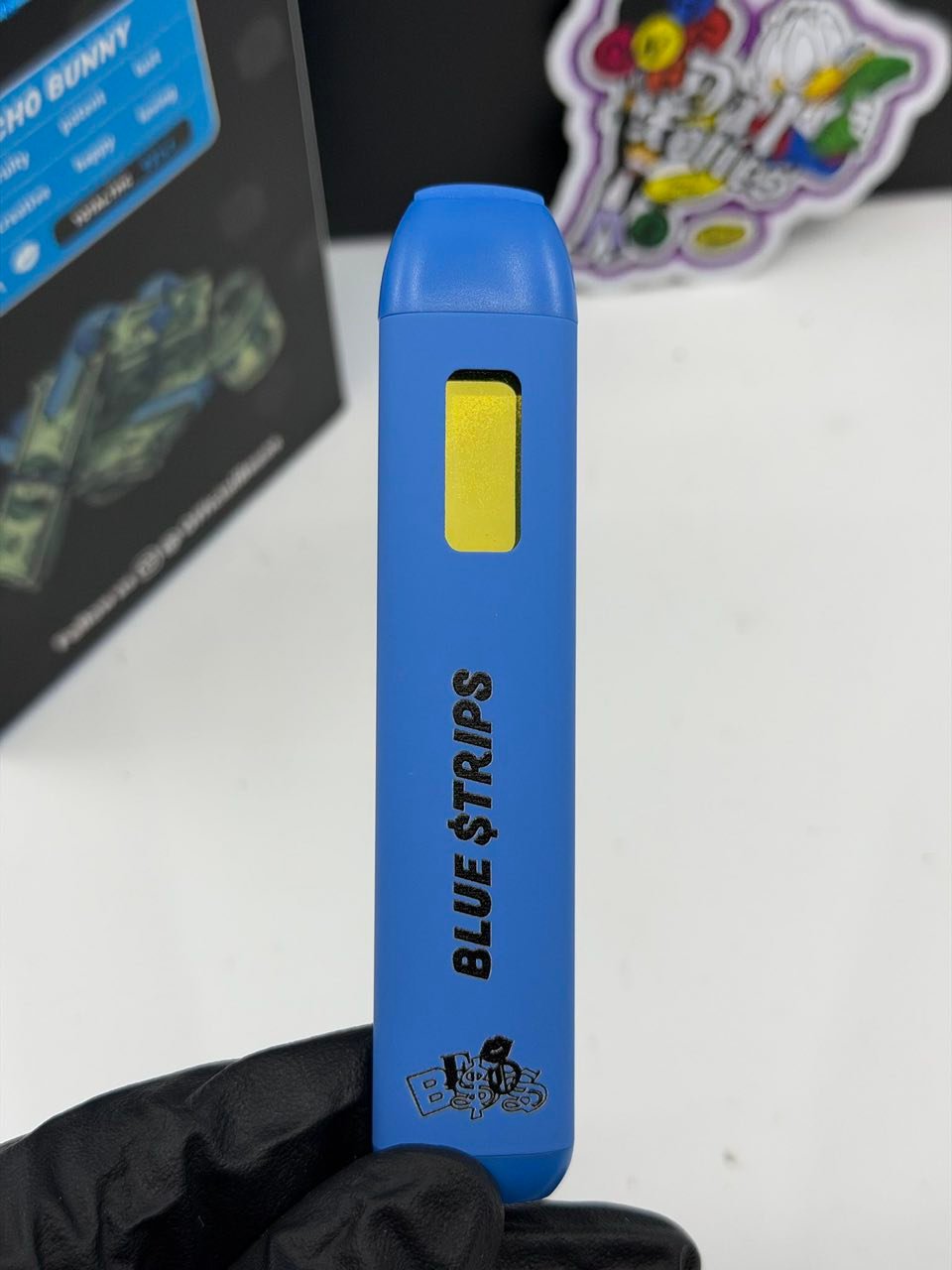
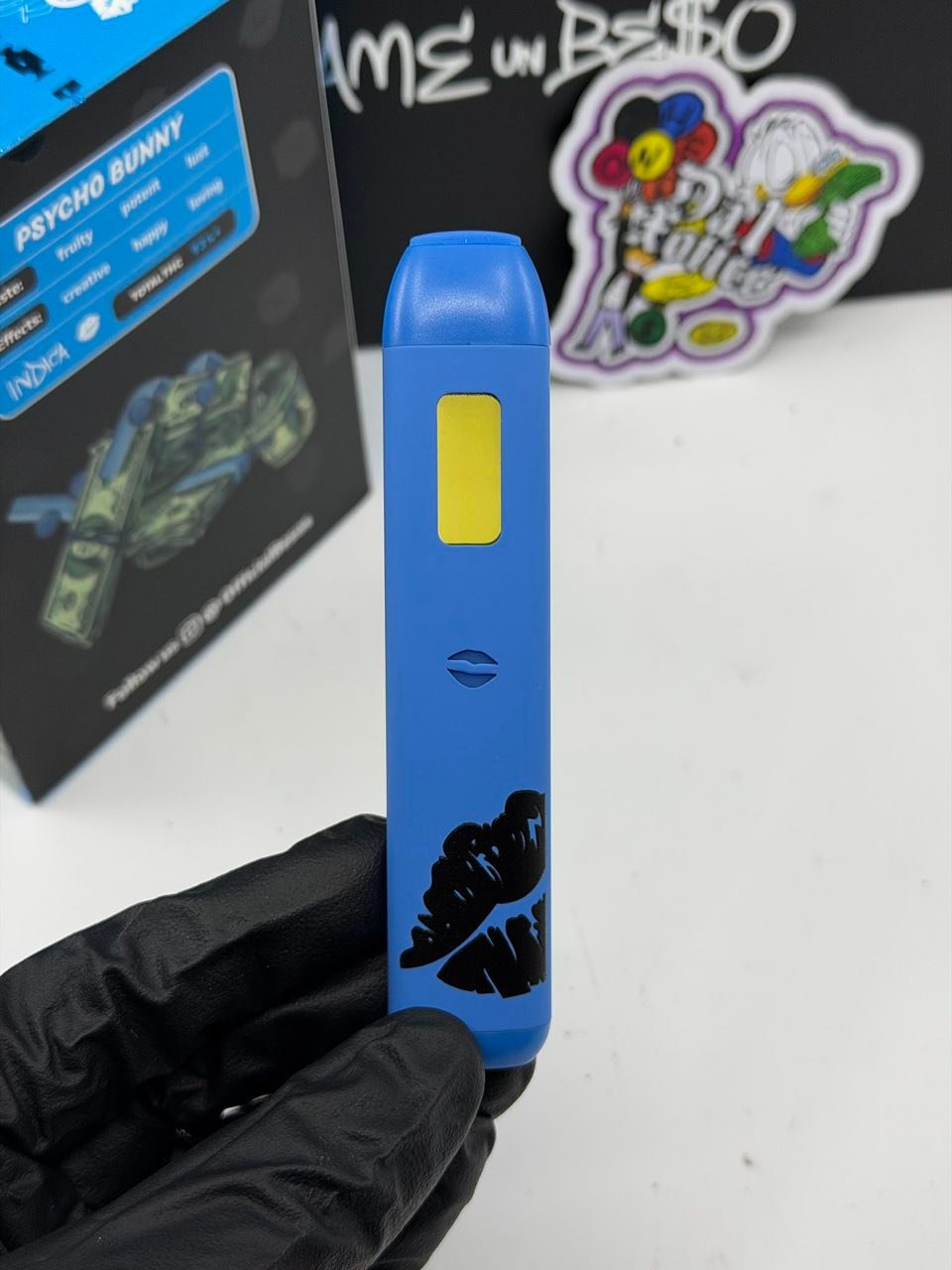


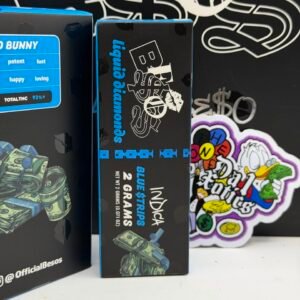
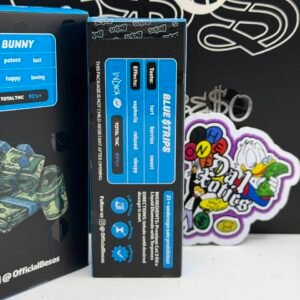
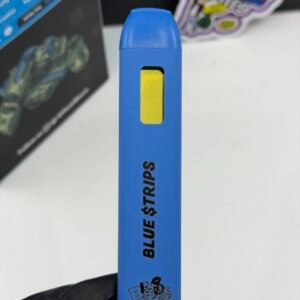

BESOS SDL Limited Edition
Price range: $25.00 through $800.00
An informational overview of BESOS SDL Limited Edition, explaining limited-edition naming, labeling context, transparency considerations, and how to interpret product information responsibly.
BESOS SDL Limited Edition: Informational Overview, Naming Context, and Transparency Considerations
Introduction
BESOS SDL Limited Edition is a product name that appears in online catalogs and discussions within a regulated and age-restricted product category. Because information in such categories is often influenced by branding, edition labels, and rapidly changing rules, it is important to approach descriptions with clarity, restraint, and context. This article is designed to be educational, not promotional. It explains what limited-edition naming typically means, how to interpret labels responsibly, why transparency matters, and how Experience, Expertise, Authoritativeness, and Trustworthiness (EEAT) principles help readers evaluate information accurately.bm

What “Limited Edition” Typically Signifies
The term “Limited Edition” is widely used across industries to indicate a distinct version of a product. In informational contexts, it usually refers to:
- A specific production run or time-bound release
- A variation in branding, packaging, or presentation
- Catalog differentiation rather than functional change
Importantly, a limited-edition label does not automatically imply differences in performance, composition, safety, or regulatory status. EEAT-aligned content clarifies that “limited” is a descriptive identifier, not a guarantee or claim.
Understanding the Name “BESOS SDL”
Product names often combine multiple elements:
- BESOS functions as a primary brand or line identifier
- SDL may indicate a series, format, or internal catalog code
- Limited Edition distinguishes a particular variant
Educational descriptions avoid assuming meanings not explicitly disclosed. Where abbreviations are used, responsible content acknowledges that interpretations may vary and should be verified through authoritative documentation.
Edition Names and Consumer Interpretation
Edition naming can attract attention but also create ambiguity. Informational content helps readers understand that:
- Edition titles are commonly marketing and cataloging tools
- They do not replace official specifications or disclosures
- Comparisons between editions require documented evidence
By separating name recognition from verified information, readers are better equipped to interpret what an edition actually represents.
Brand Presentation and Catalog Structure
In regulated product categories, a brand name may coexist with:
- Contract manufacturers
- Packaging and labeling partners
- Region-specific distributors
This structure means that similar names can appear across different markets with variations in presentation. EEAT-focused pages explain this complexity rather than oversimplifying brand origins.
Trademark and Affiliation Awareness
When product names reference distinctive terms or themes, it is important to clarify that:
- Naming does not inherently imply sponsorship or endorsement
- Affiliation should be explicitly disclosed to be assumed
- Trademark usage may be stylistic or descriptive
Providing this context helps prevent misunderstanding and supports transparent information sharing.
Product Category Overview (High-Level)
BESOS SDL Limited Edition is typically discussed within a sealed, finished-product category subject to regulation. Educational overviews of such categories focus on:
- Identification and labeling practices
- Documentation and traceability
- Regulatory awareness
They do not provide guidance on acquisition, use, or modification.
Labeling Literacy: What Labels Are Meant to Do
Labels are a primary source of information. From an educational standpoint, labels are intended to:
- Identify the product and edition
- Support traceability through batch or lot references
- Communicate compliance and warning statements
EEAT-aligned content explains how to read labels, not how to rely on them as promises.
Capacity and Format Descriptors
Some products include capacity or format descriptors. Informational clarification is important because:
- Descriptors are declarative, not comparative
- Measurement standards may vary by jurisdiction
- Labels support inventory control and documentation
Neutral explanations avoid translating descriptors into expectations.
Manufacturing and Supply Chain Context
Many modern brands operate through distributed supply chains. Informational discussions may note:
- The role of third-party manufacturing
- Quality control documentation practices
- Batch-specific variability
This context helps readers understand why transparency around sourcing and records is emphasized.
Quality Assurance and Testing References
Testing is often referenced in regulated categories. Educational framing includes:
- Testing as a process, not a guarantee
- Results tied to specific batches and timeframes
- Variability across laboratories and standards
Responsible content avoids overstating what testing can confirm.
Regulatory Awareness and Regional Differences
Rules governing age-restricted products vary widely by region. Informational content should:
- Acknowledge jurisdictional differences
- Avoid universal statements
- Encourage consultation of authoritative local sources
This approach supports accuracy and trustworthiness.
Packaging, Authenticity, and Traceability
Packaging serves multiple purposes beyond branding. Educational discussions often cover:
- Tamper-evident design concepts
- Authenticity indicators
- Traceability through labeling
These topics are framed as consumer awareness, not endorsements.
Counterfeit Awareness and Information Hygiene
Counterfeit risk is a public-interest concern. EEAT-aligned content may explain:
- Why consistent labeling matters
- How documentation supports verification
- The importance of relying on reputable information sources
The focus remains on information literacy, not enforcement.
Environmental and Disposal Considerations
Single-use or sealed products raise environmental questions. Informational pages may reference:
- Waste management considerations
- The role of local disposal guidelines
- Ongoing industry discussions on sustainability
These points reflect broader public-interest awareness.
The Role of Neutral Language
Neutral language is essential for accuracy and compliance. It:
- Reduces misinformation
- Aligns with platform and search guidelines
- Builds reader trust over time
Discussing BESOS SDL Limited Edition neutrally ensures the content remains educational.
Applying EEAT Principles in Practice
EEAT emphasizes:
- Experience: Familiarity with how regulated categories are discussed
- Expertise: Accurate, scoped explanations
- Authoritativeness: Balanced framing and clear limitations
- Trustworthiness: Transparency and avoidance of unsupported claims
Applying these principles improves long-term content quality.
Avoiding Assumptions and Overclaims
Misinformation often arises when branding is mistaken for evidence. Responsible content:
- Separates names from verified facts
- Avoids absolute language
- Updates explanations as standards evolve
This approach supports reliable knowledge sharing.
Public Policy and Ongoing Discussion
Regulated product categories are often part of broader policy conversations involving:
- Consumer protection
- Trademark usage
- Environmental impact
Informational pages may acknowledge these discussions without advocating positions.
Transparency as a Trust Signal
Transparency in naming, labeling, and documentation helps:
- Build consumer trust
- Support regulatory compliance
- Encourage informed public discourse
Educational content prioritizes transparency over persuasion.
Why Limited Editions Need Context
Limited-edition labels can create urgency or exclusivity narratives. Educational clarification ensures:
- Readers understand the descriptive nature of editions
- Expectations remain grounded in documented information
- Branding does not overshadow verified details
This context is particularly important for regulated categories.
Content Maintenance and Accuracy
Responsible informational content is periodically reviewed to:
- Reflect current terminology
- Align with updated guidance
- Maintain clear separation between facts and branding
Ongoing maintenance supports credibility.
Consumer Information Literacy
A key goal of EEAT-aligned content is improving information literacy. Readers benefit from guidance on:
- Evaluating sources
- Distinguishing marketing language from disclosures
- Recognizing outdated or speculative claims
Empowered readers make better-informed interpretations.
Conclusion
BESOS SDL Limited Edition is best understood through the lens of edition-based naming, labeling literacy, transparency practices, and regulatory awareness. Rather than focusing on promotion or acquisition, EEAT-aligned content emphasizes education, clarity, and responsible interpretation. By understanding how limited editions function as identifiers—and how labels, documentation, and context shape meaning—readers can engage with product information thoughtfully and accurately.
| Flavors | Strawberry, Blueberry, Watermelon, Mango, Grape, Pineapple, Lemon, Peach, Mixed Berry, Tropical Punch, 5pack, 10pack, 25pack, 50pack, 100pack |
|---|
Be the first to review “BESOS SDL Limited Edition”
Related products


Sherbinkskis Quattro 2G Disposable
Price range: $25.00 through $800.00


Blinkers Disposable Vape
Price range: $30.00 through $900.00


Luigi Live Resin Pre Roll
Price range: $30.00 through $950.00



OG Cake Disposable 2G
Price range: $30.00 through $950.00

Favorite 2G Minis Disposable
Price range: $30.00 through $980.00


Geek Bar Pluse Disposable
Price range: $30.00 through $900.00

Uncategorized
$25.00
Reviews
There are no reviews yet.