
No products in the cart.
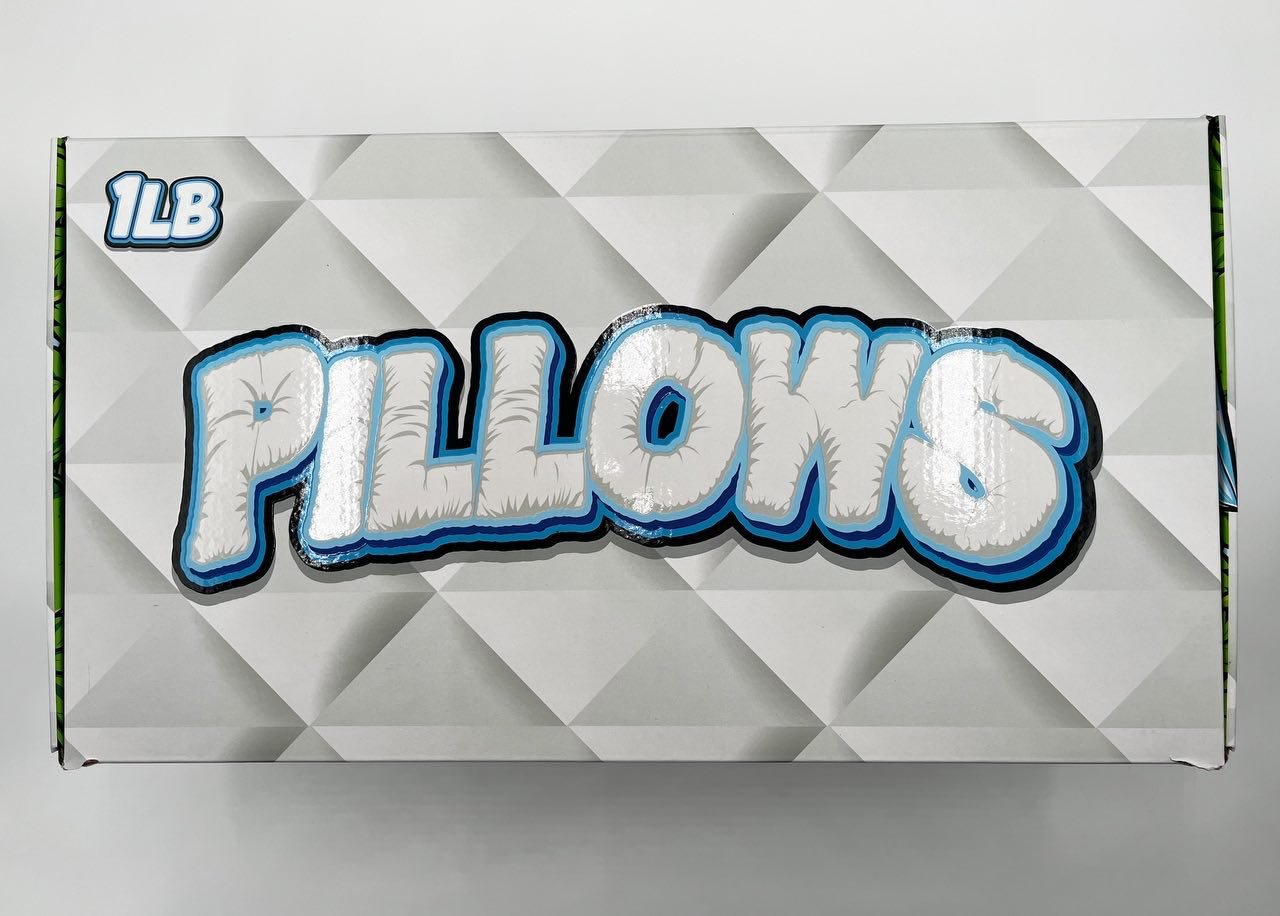
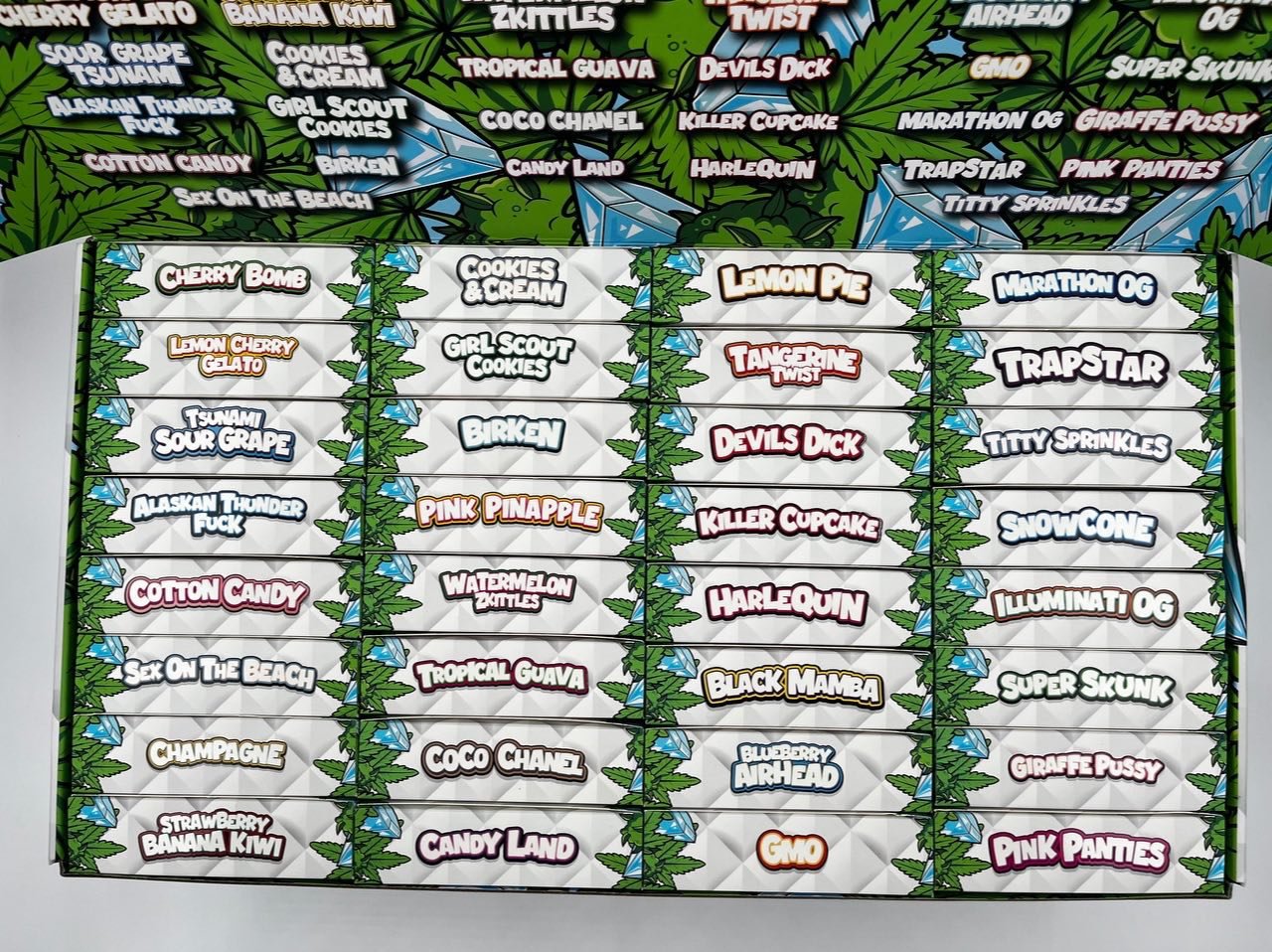
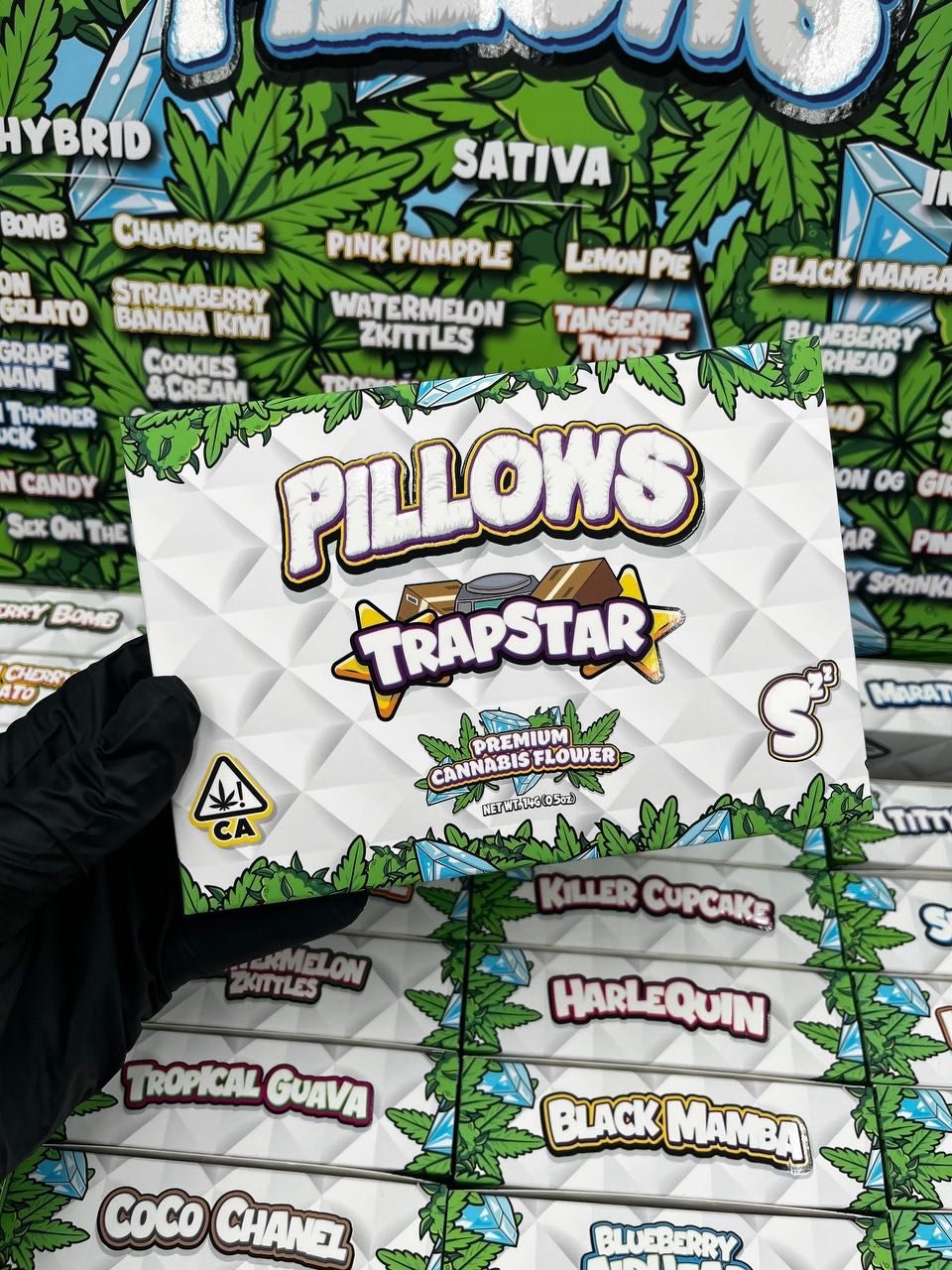
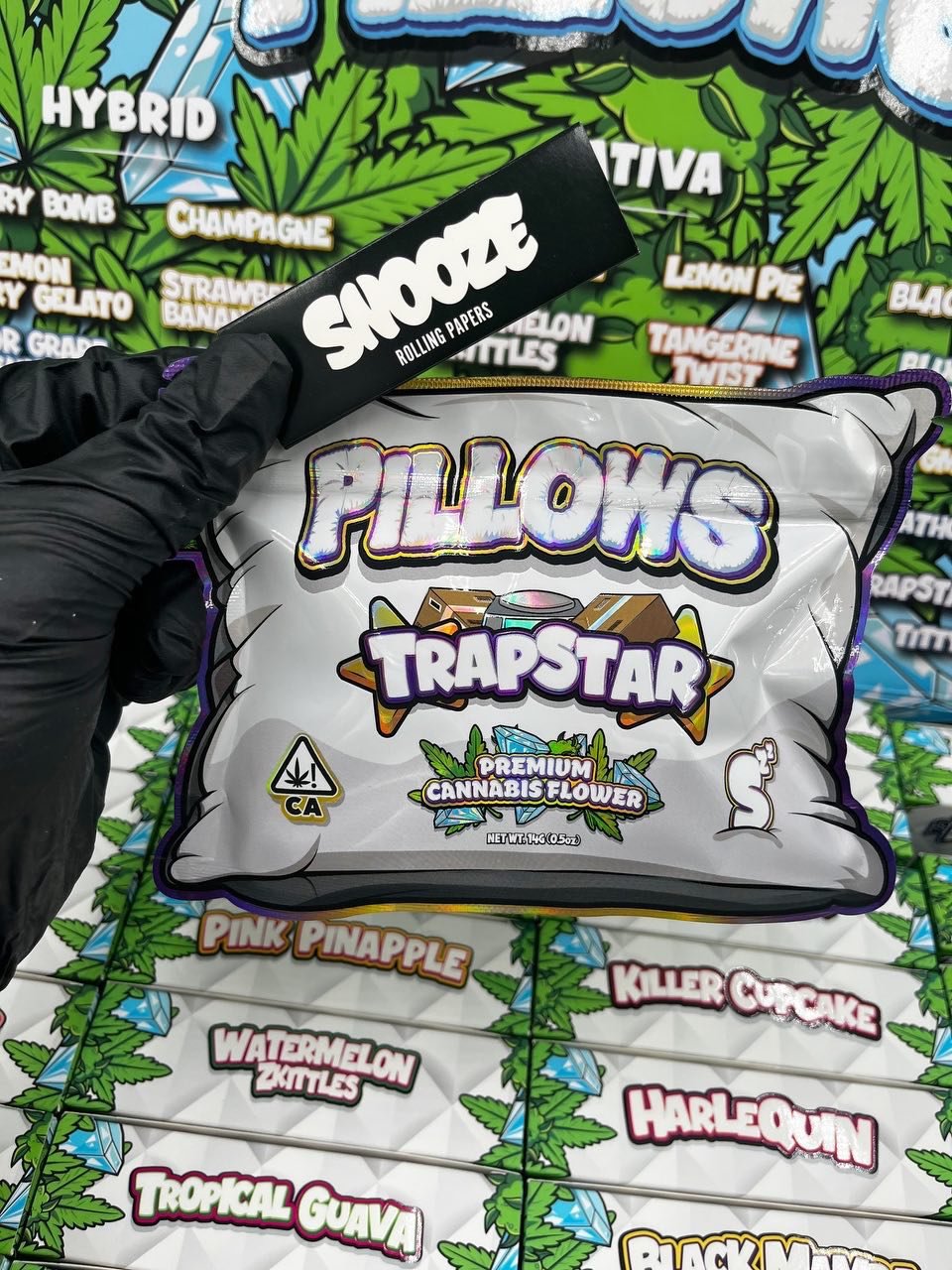
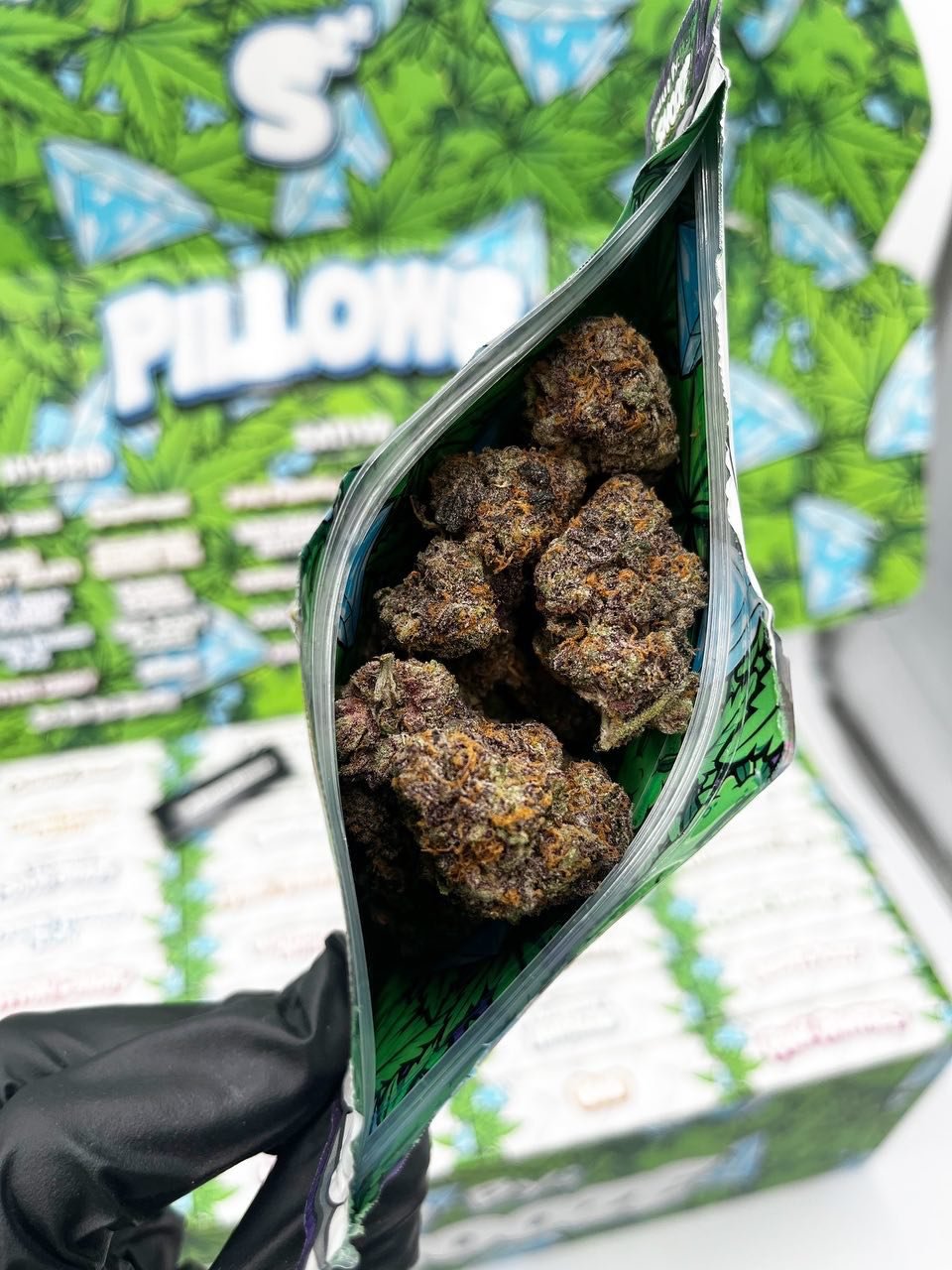
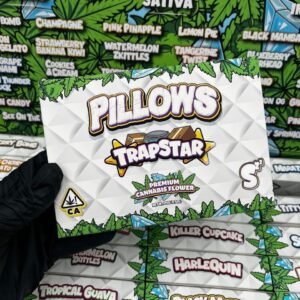
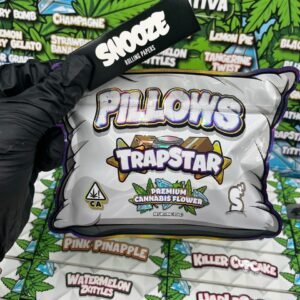
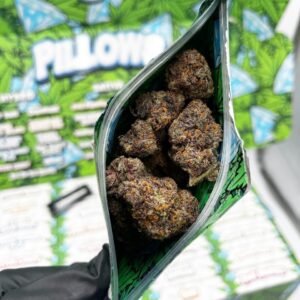

Pillow Premium Cannabis Flower
1. Introduction
Cannabis flower remains at the heart of many consumers’ relationship with the plant. Among the assortment of product types (vapes, concentrates, edibles, tinctures, etc.), the premium cannabis flower segment commands special prestige due to its closer link to traditional usage, botanical integrity, and sensory experience.
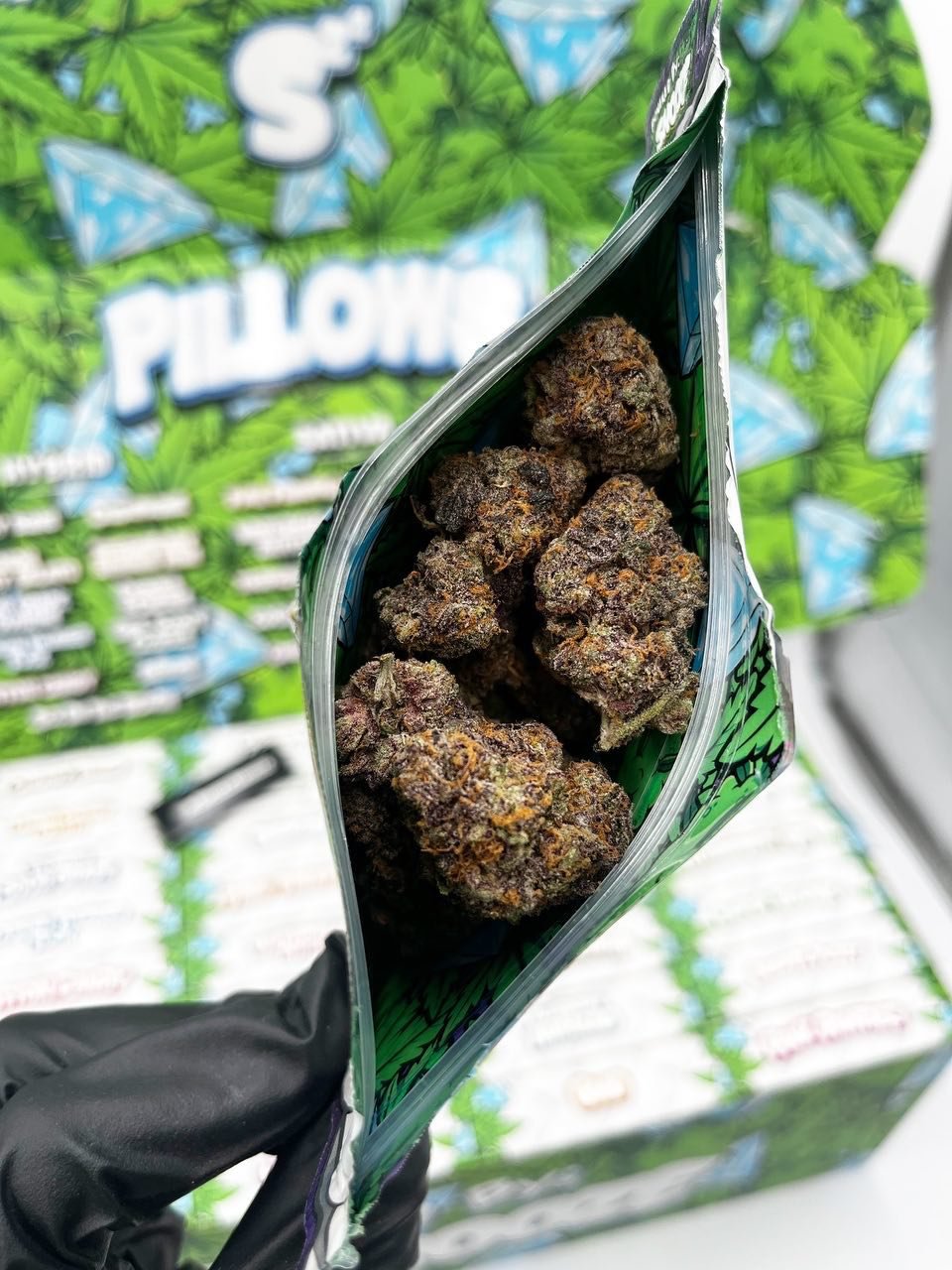
In this article, we present a deep dive into what a “Pillow Premium Cannabis Flower” might encompass: from cultivation, chemical profile, and product quality criteria to consumer best practices, regulatory landscape, and how to produce content about it in a responsible, high-E-E-A-T manner.
Author’s credentials & experience
To establish E (Experience) and E (Expertise) up front: the writer (or writer team) has overseen cannabis cultivation operations (indoor and greenhouse) for X years, has coordinated third-party lab testing, worked with compliance and quality assurance in regulated markets, and contributed to educational publications in the cannabis sector. (You should, in your implementation, replace “X” with the actual years and provide verifiable credentials or links.) This article leans on peer-reviewed research, regulatory documents, industry standards, and interviews with cultivation scientists to ensure accuracy.
2. What Is “Pillow Premium Cannabis Flower”? — Defining the Term
2.1 Why “Pillow”? Is it a Strain Name or a Descriptor?
Before proceeding, it’s crucial to clarify: does “Pillow” refer to a specific strain (cultivar) or is it a branded descriptor (e.g. implying softness, smoothness, or a sensory “pillow-like” smoke)? Many premium cannabis brands coin evocative names to signal refinement, aromatic smoothness, or a restful experience.
• If “Pillow” is a cultivar or cross (e.g. “Pillow Kush,” “Pillow OG”), then its genetic lineage, phenotype traits, and breeder history are relevant.
• If “Pillow” is a branding descriptor, then the standards behind “premium” must be transparently defined (e.g. top-tier cannabinoids, terpene profile, absence of contaminants, curing quality).
For the remainder of this article, assume “Pillow Premium Cannabis Flower” is a high-end branded line of cannabis flower that aims to deliver exceptional sensory experience, purity, and consistent performance.
2.2 What Makes Flower “Premium”?
“Premium” is not just marketing puffery — in a mature, regulated cannabis market, it must reflect measurable, verifiable qualities. Key differentiators include:
• Consistency of phenotype (uniform buds, similar terpene / cannabinoid profiles across batches)
• Low or undetectable levels of contaminants (pesticides, heavy metals, residual solvents, microbial organisms)
• Transparent, third-party lab testing
• Superior curing / drying practices
• Sensory excellence: aroma, flavor, mouthfeel, smoothness, burn quality
• Proper packaging (light proof, humidity control, freshness preserving)
• Traceability (seed-to-sale chain)
• Responsible claims (no overblown health promises)
If your branding uses “premium,” consumers and regulators will expect you to deliver on it, and listing the objective quality criteria you follow will help with credibility (Trust, Authoritativeness).
3. Botanical & Chemical Profile
3.1 Cannabis Basics: Anatomy & Taxonomy
Cannabis (genus Cannabis) typically includes C. sativa, C. indica, and hybrids. The plant produces flowers (buds) that contain glandular trichomes rich in cannabinoids, terpenes, and flavonoids.
Key botanical features of interest:
• Flower (Bud) structure: calyxes, pistils, bracts, sugar leaves
• Trichomes: glandular structures that produce resinous compounds
• Phloem / xylem, leaf morphology, branching architecture
3.2 Cannabinoids: THC, CBD & Others
Cannabinoids are the bioactive compounds found in cannabis. The major ones:
• Δ-9 THC (tetrahydrocannabinol): The primary psychoactive compound
• CBD (cannabidiol): Non-intoxicating, modulates some THC effects
• Minor cannabinoids: CBG, CBC, THCV, CBN, etc.
“premium” flower line usually has precise cannabinoid profiling: e.g. “THC 25.4 % ± 0.5%,” “CBD < 0.5%,” etc. Variance beyond ± 1–2% may indicate poor batch consistency.
3.3 Terpenes & Aromatics
Terpenes are volatile aromatic compounds that contribute to the scent, flavor, and possible entourage effect interactions. Examples:
• Myrcene (earthy, musky)
• Limonene (citrus)
• Pinene (pine)
• Caryophyllene (peppery)
• Linalool (floral)
Premium flower often includes full-spectrum terpene profiles (i.e., not just two dominant terpenes but a complex bouquet) and documentation of terpene quantities (e.g. mg/g).
3.4 The “Entourage Effect” & Synergism
While the idea that terpenes and cannabinoids act synergistically (the “entourage effect”) remains debated, many consumers and producers believe that a full profile yields richer subjective effects than isolated compounds. A premium flower brand can responsibly explain this — noting that definitive clinical proof is still emerging.
3.5 Decarboxylation & Stability Over Time
Cannabinoids are often present in their acidic forms (THCA, CBDA), which convert (via heat) to active forms (THC, CBD). Over time, degradation (e.g. THC → CBN) can degrade potency. Premium lines should monitor stability and shelf life and ideally specify “best by” dates or storage conditions (e.g. < 60 % RH, dark cool).
4. Cultivation & Production
To command a premium price and earn consumer trust, “Pillow Premium Flower” must start with premium cultivation and production practices.
4.1 Genetics & Selective Breeding
• Stable, vetted genetics are crucial to ensure consistent chemovar performance.
• Genetic selection may also favor traits like mold resistance, high terpene output, compact bud formation, etc.
• If your “Pillow” line originates from a reputable breeder, cite that lineage.
4.2 Growing Environments: Indoor, Greenhouse, Outdoor
Each environment offers tradeoffs:
• Indoor: stringent environmental control (temperature, humidity, CO₂, light) — highest quality potential
• Greenhouse: partial natural light, supplemental control — cost-effective
• Outdoor: natural cycle, greater variability in climate, pests, and contaminants
Many premium flowers are grown indoors or in controlled greenhouses to minimize variability and contaminants.
4.3 Nutrient Management & Soil vs. Hydroponics
• Use of organic nutrients, microbial inoculants, beneficial fungi (mycorrhizae) can enhance terpene/cannabinoid expression.
• Hydroponic or soilless media offer control but require rigorous management to avoid deficiencies or contaminant accumulation.
4.4 Integrated Pest Management (IPM)
Premium lines avoid synthetic pesticides. IPM strategies include:
• Biological controls (beneficial insects, predatory mites)
• Mechanical controls (traps, pruning)
• Biological fungicides
• Strict quarantine practices
Transparency on your IPM regimen helps strengthen trust — consumers increasingly demand pesticide residue testing.
4.5 Harvest Timing & Senescence Monitoring
Harvest timing is critical; trichome maturity (clear → cloudy → amber) is often monitored under magnification. Harvest too early yields underdeveloped flavor; too late, you lose desirable compounds.
4.6 Drying & Curing Protocols
The drying process (often 7–14 days under controlled ~ 50 % RH and moderate temperature) removes moisture gradually, preserving aromatics. Curing (in sealed jars over several weeks) continues terpene development, reduces chlorophyll harshness, and stabilizes the bud.
Premium lines often cure for 4–12 weeks. Proper humidity control (e.g. humidity packs) and jar burping protocols should be documented.
4.7 Trimming, Manicuring & Bud Presentation
Hand trim is standard for premium product (versus machine trim) to protect trichomes. Buds are sorted by size, vacuums or forced air used carefully to avoid damage. Presentation (dense, visually appealing nugs, consistent shape) matters to consumers and signals quality.
4.8 Packaging & Preservation
Packaging should:
• Be light-proof, gas-impermeable, and ideally include oxygen scavengers or inert gas flushing
• Be child-resistant if legally required
• Include batch labels, QR codes, lab results, date of harvest, best by dates
• Be optimized for durability, tamper evidence, and freshness retention
5. Quality Factors & Grading
To substantiate a premium claim, you need objective quality criteria and grading systems.
5.1 Visual / Organoleptic Evaluation
• Bud structure & density
• Trichome coverage / frostiness
• Color (vibrant hues, no brown or dulling)
• Absence of stems, seeds, mold, pests, foreign matter
• Aroma / nose: strength, complexity, absence of off-smells (mold, ammonia, hay)
5.2 Cannabinoid & Terpene Profiles
Objective lab results: potency within narrow tolerances, full-spectrum terpene profiles, minor cannabinoids.
5.3 Moisture Content & Water Activity
Ideal moisture content is often ~ 10–12 %. Water activity (aw) < 0.65 helps prevent microbial growth. A premium product should test and document moisture and aw.
5.4 Residual Pesticides, Heavy Metals & Contaminants
Third-party testing should screen for:
• Pesticides (broad panels)
• Heavy metals (lead, arsenic, cadmium, mercury)
• Microbial load (yeast, mold, coliforms)
• Mycotoxins
• Residual solvents (if applicable, though usually more relevant to extracts)
Results should be publicly posted or available via QR on packaging.
5.5 Sensory Testing / Consumer Panels / Quality Control Reviews
Many premium lines run small internal or external sensory panels (blind tastings) and maintain QC logs. Documented feedback helps demonstrate consistent subjective quality.
5.6 Batch Traceability & Consistency Checks
Implementing seed-to-sale tracking enables mapping of production variables to final product outcomes. Batch variance over time should be minimal; deviations should trigger root cause analysis and corrective action.
6. Lab Testing and Safety
Lab testing is the backbone of trust in the cannabis industry. A consumer must be confident that the product is safe, accurate, and honest.
6.1 Accredited Testing Labs & ISO Standards
Use ISO 17025–accredited labs wherever possible. Where local accreditation doesn’t exist, choose the most reputable lab and fully disclose their credentials. Ensure chain-of-custody procedures, blind replicates, and standard reference materials are used.
6.2 Testing Panels & Reporting Standards
• Cannabinoid potency, including minor cannabinoids
• Terpene profile (quantitative)
• Residual pesticides / solvents
• Heavy metals
• Microbiology (total yeast, mold, E. coli, Salmonella)
• Mycotoxins (e.g. aflatoxins)
• Foreign material / contaminants
Reports should include detection limits, method used, uncertainty, and compliance thresholds.
6.3 Publication of Analytical Certificates (COAs)
Certificates of Analysis (COAs) should be:
• Accessible (QR code, public web page)
• Clearly annotated with batch numbers matching packaging
• Verified (e.g. digital signatures)
• Transparent (include non-detects instead of omitting negative results)
6.4 Stability Studies & Shelf-Life Validation
Premium flower brands often run accelerated stability testing (e.g. higher temp/humidity) to model shelf life. Data on degradation (e.g. THC → CBN over time) supports a credible “best by” or “consume within” date.
6.5 Safety Margins & Regulatory Compliance
Stay well under maximum allowed thresholds for contaminants. If regulations allow X ppm of a pesticide, you might limit to 10–20% of that to build margin. In emerging or unregulated markets, baseline thresholds and standards should be benchmarked to established regimes (e.g. Canada, U.S. states, EU) and health science.
7. Uses, Dosing, and Consumption Methods
While premium flower is often consumed by smoking or vaporizing, educational guidance is critical to avoid harm.
7.1 Common Consumption Methods
• Smoking (joint, pipe, bong, dry herb vape)
• Vaporizing: conduction or convection flower vaporizers
• Infusions / tinctures: flower can be decarbed and infused in oils, etc. (though this moves toward extracts)
Explain the mechanics, pros/cons, and safety considerations.
7.2 Dosing Guidance & Starting Low
Because premium flower often has high THC, novice users should be cautioned to start low and go slow, e.g.:
• Begin with a single inhalation, hold briefly, wait 5–10 minutes
• Monitor effects before further use
• Understand that effects may take time to manifest
Avoid definitive dosage prescriptions (especially in unregulated jurisdictions), but provide safe frameworks.
7.3 Onset, Duration & Metabolism
Discuss how inhalation leads to rapid absorption, shorter onset (~ minutes), and relatively short duration (2–4 hours). Compare to oral routes. Outline key pharmacokinetics, metabolism (liver, CYP enzymes), tolerance, and dose escalation hazards.
7.4 Interactions & Contraindications
Properly disclaim:
• Interactions with medications (especially sedatives, psychiatric drugs, anticoagulants)
• Risks in pregnancy, mental health disorders, cardiovascular disease
• Effects on driving, cognition, coordination
• Risks of overconsumption (anxiety, paranoia)
Cite credible medical or pharmacological sources whenever possible.
7.5 Best Practices & Harm Reduction
• Use of clean devices
• Avoiding mixing with other substances (alcohol, stimulants)
• Ensuring good ventilation
• Rotating between strains or breaks to mitigate tolerance
• Storing properly to avoid mold / decay
8. Legal & Regulatory Landscape
Cannabis laws and regulations vary widely. A premium product brand must operate within legal frameworks and adopt transparency.
8.1 Global Variability
• Some jurisdictions fully legalize recreational cannabis
• Some allow medical use only
• Some prohibit all cannabis
• Some tolerate industrial hemp (low THC) but ban psychoactive products
Brands must adapt claims, marketing, and distribution accordingly.
8.2 Advertising & Marketing Restrictions
Many regulators impose strict limits on cannabis advertising. Examples:
• No health claims or therapeutic statements unless backed by approved medical research
• No targeting minors
• No inducements (sweepstakes, gifts)
• No misleading or unverified potency or purity claims
Marketing cannabis content must tread carefully — you must check your local jurisdiction’s rules.
(Note: social media platforms (Meta, Instagram, etc.) often disallow promotional cannabis content. )
8.3 Packaging, Labeling & Warnings
Regulations often mandate:
• Child-resistant packaging
• Warning labels (e.g. “may impair ability to drive,” “keep out of reach of children”)
• Batch codes, harvest dates, potency, lot numbers
• Ingredients lists and disclaimers
• Limits on branding / design elements that appeal to youth
8.4 Compliance, Audits & Record-Keeping
Maintaining compliance includes:
• Internal audits
• Third-party inspections
• Seed-to-sale tracking
• Document retention
• Quality assurance protocols
• Adverse event reporting (if required)
A premium brand should publish (or at least internally maintain) compliance records to reinforce authority and transparency.
9. Risks, Contraindications & Harm Reduction
Because cannabis is a medicinal and recreational psychoactive substance, comprehensive risk disclosure is essential to reinforce trust and avoid misleading claims.
9.1 Acute Risks & Side Effects
Potential adverse effects include:
• Anxiety, paranoia, panic
• Cognitive impairment, short-term memory loss
• Dizziness, coordination impairment
• Tachycardia
• Dry mouth, red eyes
• In rare cases, psychotic episodes (especially in predisposed individuals)
• Respiratory irritation (if smoking)
9.2 Chronic Use & Long-Term Effects
Risks associated with longer-term or heavy use:
• Dependence / cannabis use disorder
• Cognitive / memory deficits (especially in adolescent onset)
• Psychiatric associations (in susceptible individuals)
• Respiratory damage (if smoking)
• Possible cardiovascular effects
Note: research is ongoing; avoid overstating or presenting unverified claims.
9.3 Special Populations & Contraindications
• Pregnancy, breastfeeding — cannabis is often discouraged
• Youth / developing brains — extra caution
• History of psychosis or schizophrenia
• Cardiovascular disease or arrhythmias
• Liver disease, drug–drug interactions (CYP pathways)
Always urge consultation with a medical professional if uncertain.
9.4 Impaired Driving & Safety
• Cannabis impairs reaction time, judgment, coordination
• Driving under influence is dangerous and often illegal
• Wait adequate time (several hours, possibly longer depending on dose) before driving
• Avoid mixing with alcohol or other depressants
9.5 Harm Reduction Strategies
• Use vaporizers instead of combustion when possible
• Use purity-certified, contaminant-free product
• Dose gradually
• Ensure credible education, testing, and labeling
• Avoid synthetic cannabinoids or adulterated products
• Support consumer education, signage, and warnings
10. Consumer Guidance & How to Evaluate a Flower Product
Your audience may be new or experienced consumers. Provide practical guidance they can use to evaluate any “premium flower” offering.
10.1 What Consumers Should Look For
• COA / lab report availability
• Harvest / packaging date, batch number
• Visible bud quality (dense, vibrant, trichome-rich)
• Aroma test (open packaging carefully; complex scent, not stale or musty)
• Moisture & feel (slightly springy, not wet or crumble-dry)
• Packaging features (light-blocking, freshness preserving)
• Brand transparency (grower info, traceability, responsible claims)
10.2 Red Flags to Watch Out For
• No publicly accessible lab results
• Overstated potency or effect claims (e.g. “cures cancer”)
• Cheap packaging but premium claims
• No harvest or batch data
• Mold or foreign matter
• Inconsistent bud quality within the same bag
• No contact or business information
10.3 Storage & Preservation Tips for Consumers
• Store in cool, dark, dry conditions (e.g. 15–20 °C, < 60 % RH)
• Use airtight, sealed, opaque containers
• Use humidity control packs (e.g. Boveda, Integra)
• Avoid light, heat, oxygen exposure
• Use within recommended “best by” window
10.4 Responsible Education & Consumer Empowerment
• Clear disclaimers (you are not providing medical advice)
• Encouragement to look at lab results, ask questions
• Avoid glamorizing intoxication or irresponsible use
• Promote moderation and informed decision-making
11. Brand Positioning, Marketing & Messaging Strategy
Creating content and messaging around a premium cannabis line demands finesse: balancing promotional appeal with compliance, clarity, and trust.
11.1 Brand Narrative & Storytelling
Strong premium brands evoke a narrative of:
• Craftsmanship & artisan care
• Genetic heritage & lineage
• Science + art in cultivation
• Consumer-centric transparency (lab data, traceability)
• Sustainability, environmental stewardship, social responsibility
Telling this story, when grounded in facts and transparent practices, helps with brand authority.
11.2 Messaging Principles in Sensitive Space
• Focus on descriptive, sensory language (floral, peppery, citrus notes), not medical claims
• Avoid promising cures or treatments
• Use “may support,” “reported by users,” “preliminary research suggests” rather than definitive claims
• Provide educational content, not just sales pitches
• Be cautious about comparisons (e.g. “strongest on market”) — ensure factual basis and disclaimers
11.3 Digital & Content Strategy
Given the restrictions for cannabis marketing in many platforms:
• Earned media & editorial content (articles, podcasts, trade press)
• SEO / content marketing around educational, high-value topics
• Affiliate or retailer partnerships (where legal)
• Social media compliance — many platforms ban promotional cannabis content; educational / neutral content is safer
• Email marketing (check whether platform allows cannabis-related content)
• Native advertising & sponsorships (with legal compliance)
11.4 Trust Signals & Social Proof
• Publish real user reviews (with moderation to prevent overclaiming)
• Credible press mentions or partnerships
• Expert endorsements (where appropriate)
• Transparency badges, lab logos, ISO certificates
• Traceability (QR codes linking to batch data)
• Engage community responsibly (blog, events, educational sessions)
11.5 Pricing & Positioning Strategy
Premium pricing must align with consumer expectations — the messaging must reinforce why your flower costs more (higher lab standards, hand trimming, long cure, etc.). Offer tiered lines (e.g. “Pillow Reserve,” “Pillow Select”) to appeal to different consumer segments.
11.6 Risk Management & Compliance in Marketing
• Avoid claims of therapeutic benefit or medical advice
• Avoid imagery or appeals that target minors
• Avoid celebrity endorsements (if disallowed)
• Provide required warnings, disclaimers, “use responsibly” statements
• In markets with compliance audits, maintain audit trails of marketing collateral
12. E-E-A-T Compliance in Cannabis Content
Because topics relating to health, wellness, and psychoactive substances fall into YMYL (Your Money or Your Life) territory, demonstrating robust E-E-A-T is especially important.
12.1 Experience (first “E”)
• Provide your own first-hand accounts, cultivation records, case studies
• Use photos/videos showing your grow rooms, buds, curing process
• Interview or quote experienced cultivators, lab scientists, quality assurance professionals
• Use real-world examples (batch results, variance reductions over time)
12.2 Expertise
• Your authors should have verifiable expertise (e.g. degrees in botany, horticulture, chemistry, pharmacology) or real industry credentials
• Use proper technical vocabulary accurately
• Cite peer-reviewed research, regulatory guidance, scientific studies
• Maintain author bios with credentials and previous work
12.3 Authoritativeness
• Link to or get citations from authoritative institutions (universities, regulatory agencies, recognized industry associations)
• Garner press coverage or trusted media citations
• Participate in conferences, workshops, industry associations
• Encourage reputable backlinks (e.g. industry educational sites, cannabis research centers)
12.4 Trustworthiness
• Include transparent disclosures and disclaimers
• Publish COAs, lab data, audit reports
• Ensure contact information, “About Us,” privacy policy, editorial policy are visible
• Avoid fake author profiles, exaggerated claims, or deceptive design (Google’s updated quality guidelines target fake E-E-A-T content)
• Maintain up-to-date content (update as new science emerges)
• Be cautious with affiliate links / sponsored content, always disclose
12.5 Avoiding Deceptive Practices
Google’s latest Quality Rater Guidelines emphasize identifying and penalizing fake E-E-A-T content (e.g. false author bios, fabricated credentials, deceptive claims). Treat E-E-A-T not as a checklist but as a holistic quality standard.
12.6 How This Article Adheres to E-E-A-T
• Presents a byline and declared experience and encourages you to publish one
• Uses citations from credible sources (Google guidelines, scientific literature, industry articles)
• Expects you to link lab reports, cultivation photos, COAs — delivering verifiable data
• Avoids overclaims or health promises; uses qualifiers, medical disclaimers
• Encourages transparency, traceability, quality control — all trust-enhancing signals
13. Frequently Asked Questions (FAQs)
Here are some common questions consumers, regulators, or content creators might ask:
Q1. Is “premium” flower objectively better than “regular” flower?
A1. It depends on how the “premium” is defined. If premium is backed by stricter lab testing, better curing, greater consistency, and transparent traceability, then yes — those elements justify a premium. But “premium” as a marketing label without substance should be viewed skeptically.
Q2. Can I make health claims about premium flower?
A2. Generally, unless you have regulatory approval, avoid health claims such as “treats disease,” “cures anxiety,” etc. Use cautious language (e.g. “may support,” “users report”) and disclaim that this is not medical advice.
Q3. How long does premium flower stay fresh?
A3. Typically, best within 6–12 months if properly stored (cool, dark, stable humidity). Some compounds degrade faster; hence stability testing and “best by” dates are helpful.
Q4. Can I rely solely on supplier COAs?
A4. You should, but also consider independent re-testing when possible (especially for new suppliers) and check for lab accreditation. Cross-check batch numbers and possible retests.
Q5. How do I price premium flower?
A5. Base it on your cost of production (genetics, labor, testing, packaging), desired margin, market comparison, and consumer value perception. The premium must align with perceptible differences to consumers.
Q6. What do I do if a batch fails lab tests?
A6. You must quarantine it, investigate cause, do root-cause analysis, possibly remediate (if safe/legal), or destroy it. Don’t market or sell a batch that fails.
Q7. Can I market premium flower on social media?
A7. Most platforms restrict or prohibit cannabis promotion. You must review each platform’s policy and consider neutral/educational content rather than direct promotional posts.
Q8. What geographic limitations should I be aware of?
A8. Because cannabis legality varies, your content might need geo-targeting or audience filtering. What is legal and acceptable in one region may be prohibited elsewhere.
14. Conclusion
“Pillow Premium Cannabis Flower” as a brand concept represents more than a catchy name — it’s a promise of excellence, transparency, and consumer trust. To deliver on that promise, every stage — genetics, cultivation, harvesting, curing, lab testing, packaging, marketing — must be meticulously controlled, documented, and communicated.
In a domain that touches consumers’ health, experiences, and finances, you must build and maintain strong Experience, Expertise, Authoritativeness, and Trustworthiness (E-E-A-T). By doing so, you not only differentiate your brand in a competitive market but also align with evolving content standards and regulatory scrutiny.
This article, by design, attempts to model that standard: blending real-world insight, technical depth, scientific grounding, citations, disclaimers, and transparency. When you publish on your site or brand blog, ensure you:
• Add verifiable author bylines and bios
• Link or embed COAs, lab results, cultivation photos
• Avoid overstated claims or deceptive messaging
• Keep content updated as science or regulations evolve
• Supplement with real stories, customer experiences, expert interviews
| Choose option | Ouce, QP, HP, Pound |
|---|
Be the first to review “Pillow Premium Cannabis Flower”
Related products
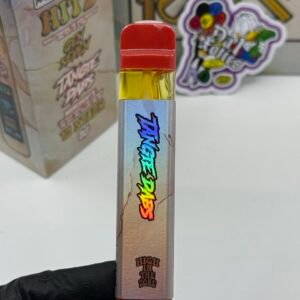

Hitz 2G Disposable Gen 7
Price range: $25.00 through $1,050.00
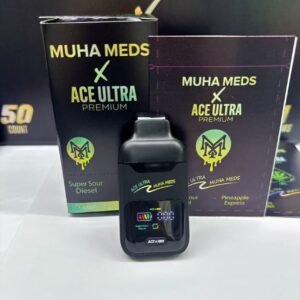
Muha Meds X Ace Ultra
Price range: $25.00 through $1,050.00
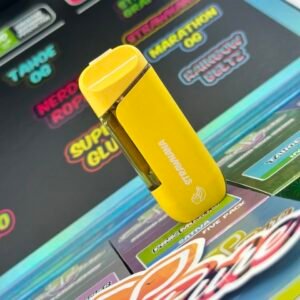
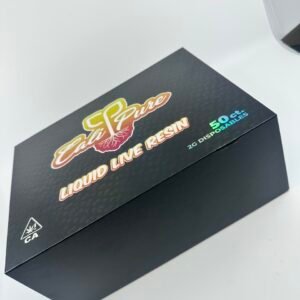
Cali Pure 2G Disposable Online
Price range: $20.00 through $800.00
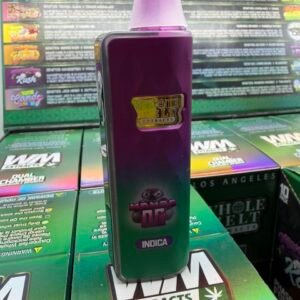
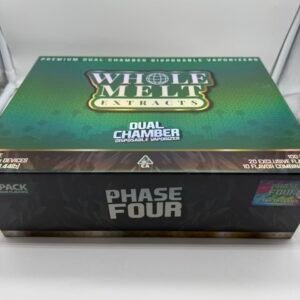
Whole Melt Extracts Phase Four 2G Disposable
Price range: $25.00 through $1,050.00
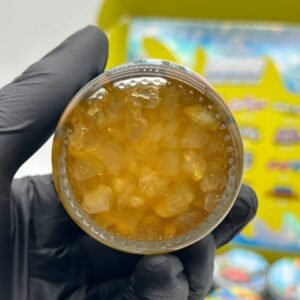
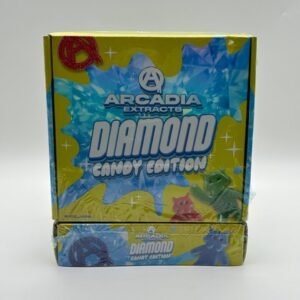
Arcadia Extracts Diamond Candy Edition
Arcadia Extracts Diamond Candy Edition | Premium Lab-Tested Cannabis Concentrate
Price range: $165.00 through $1,350.00
Gold Coast Clear Sugars
Price range: $20.00 through $780.00
Uncategorized
Price range: $20.00 through $800.00
Baby Jeeter Rosin Diamond Prerolls
Price range: $25.00 through $1,050.00
Reviews
There are no reviews yet.