
No products in the cart.
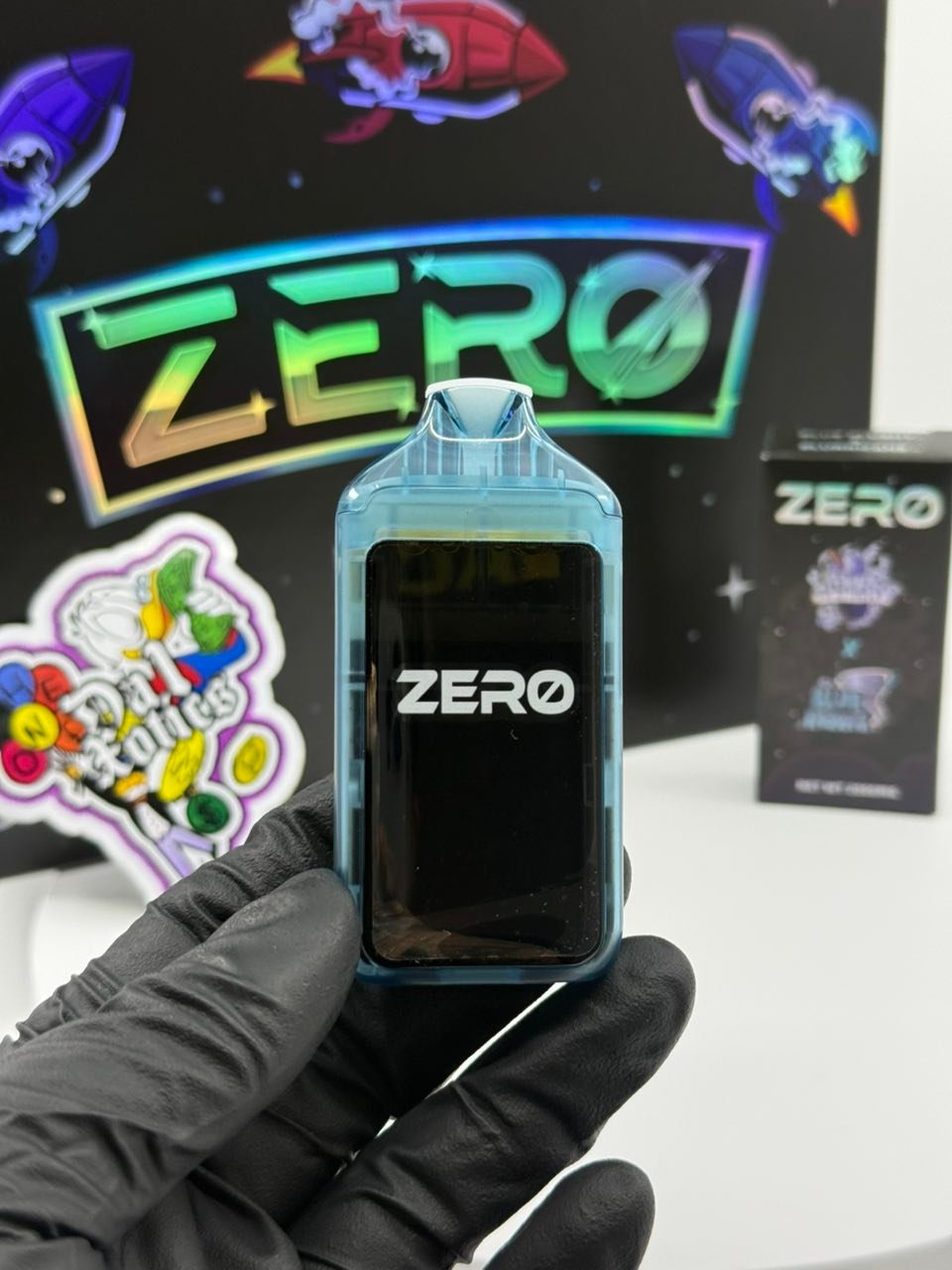
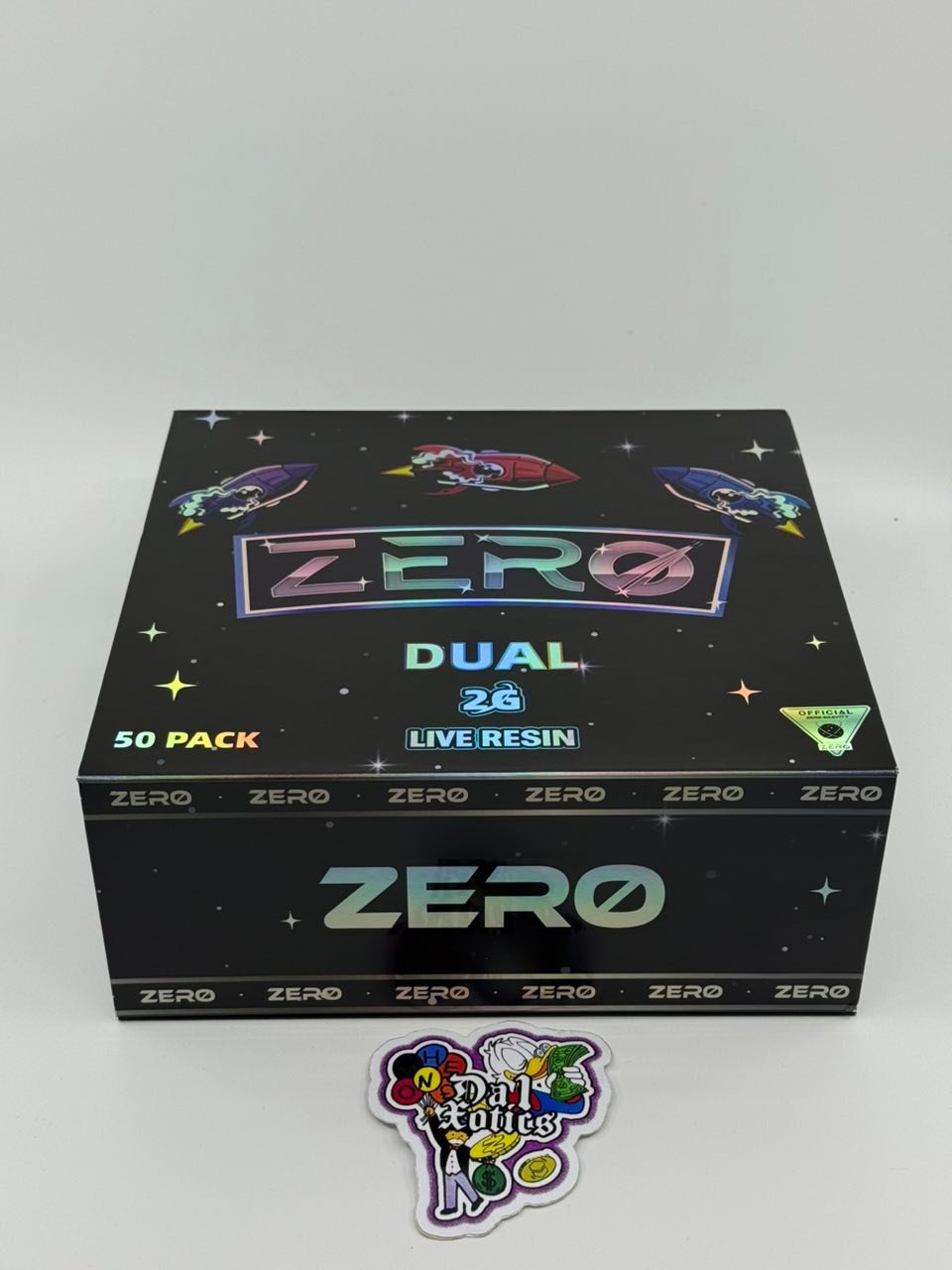

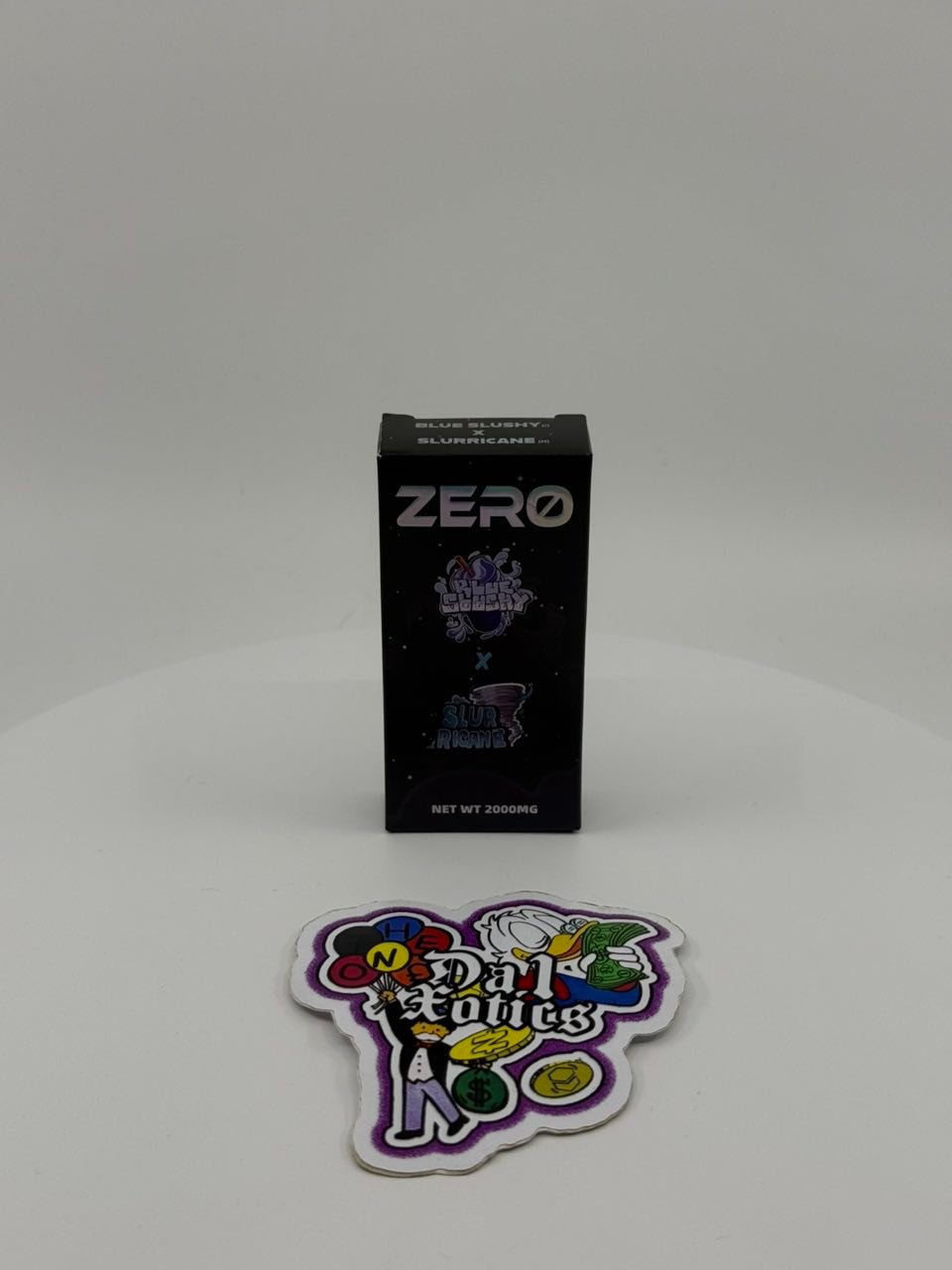
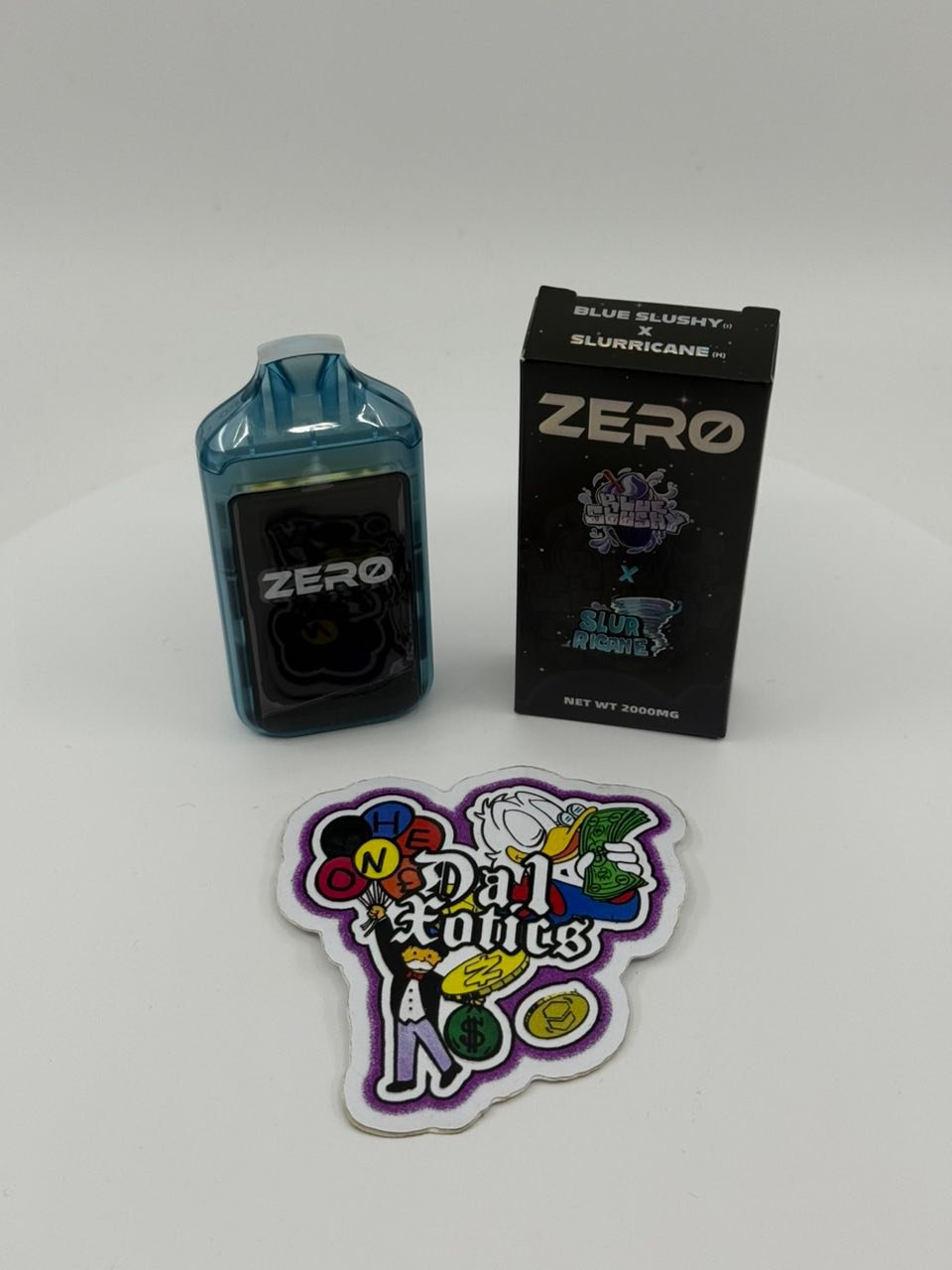
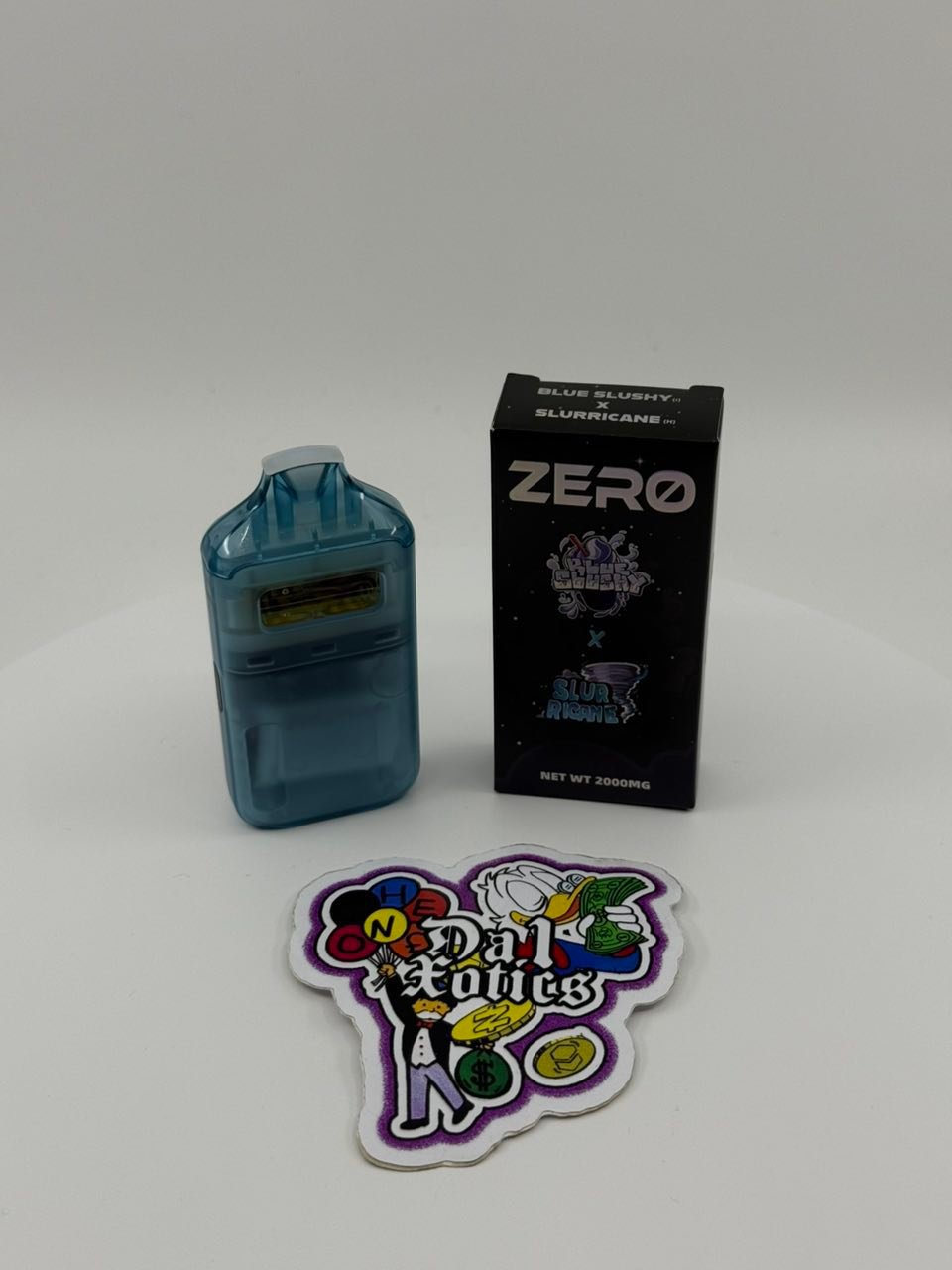

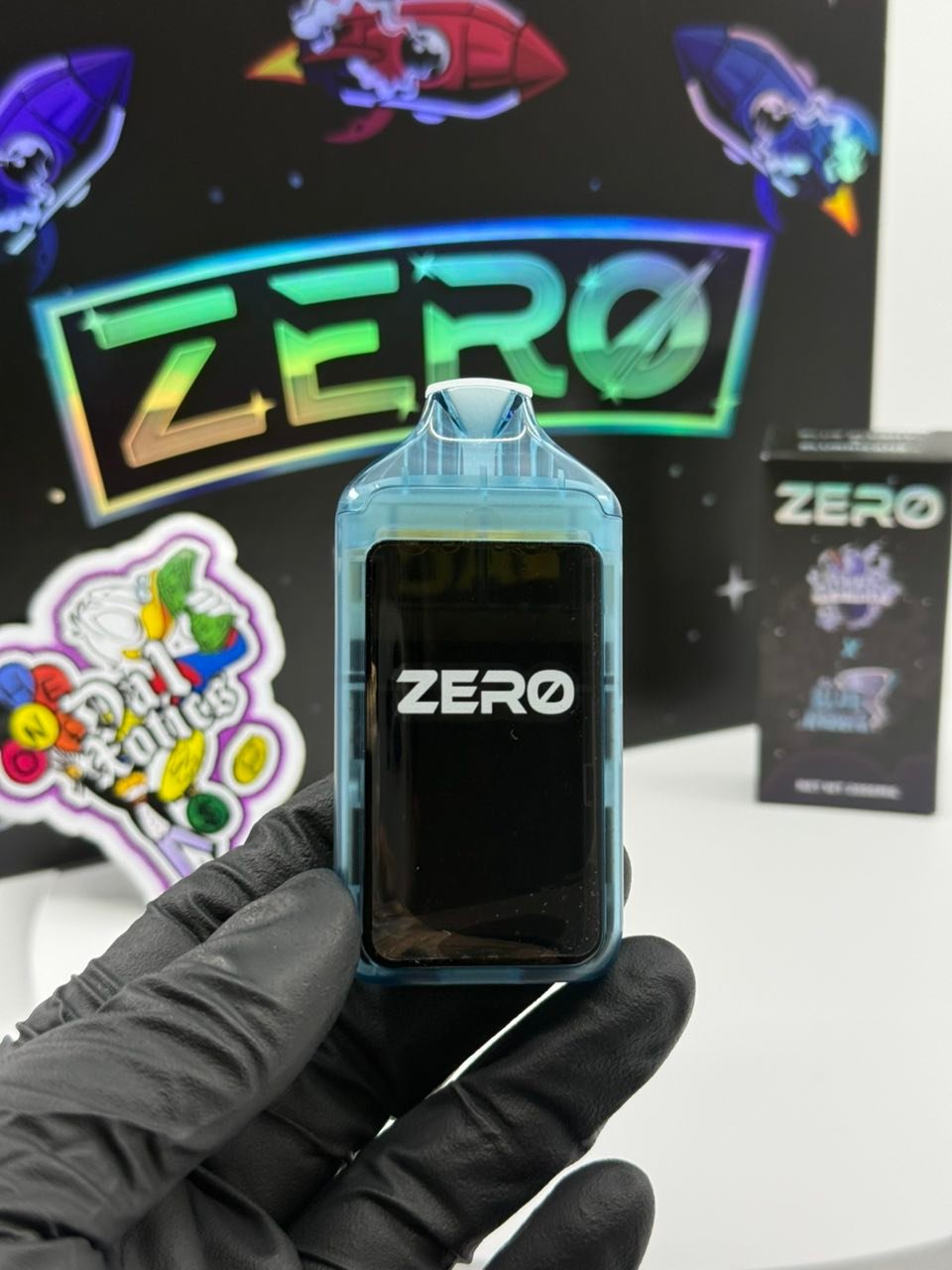


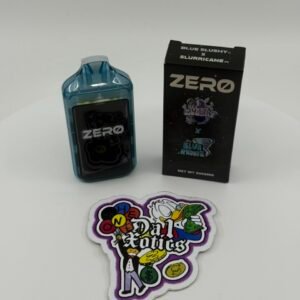


CLEAN CART UFC Edition
Price range: $25.00 through $750.00
An informational overview of CLEAN CART UFC Edition, explaining edition-based naming, labeling transparency, trademark context, regulatory awareness, and how to interpret product information responsibly.
CLEAN CART UFC EDITION: Informational Overview, Naming Context, and Transparency Considerations
Introduction
CLEAN CART UFC EDITION is a product name that appears in online discussions within a regulated and age-restricted product category. Because information in this space is often shaped by marketing language, evolving regulations, and public-interest concerns, it is important to approach descriptions with clarity and restraint. This guide is designed to inform rather than promote. It explains how edition-based naming is typically used, how labeling terms should be interpreted, what transparency signals matter, and why Experience, Expertise, Authoritativeness, and Trustworthiness (EEAT) are essential when evaluating online content.

Understanding Edition-Based Naming
The phrase “UFC Edition” functions as an edition or theme descriptor. In many industries, editions are used to:
- Differentiate packaging or branding themes
- Reference cultural moments, events, or styles
- Segment products for cataloging and recognition
An edition label does not inherently indicate performance, composition, safety, or regulatory approval. It serves as a descriptive identifier, not a claim. Educational content should clarify that editions are primarily naming conventions used for differentiation and should be interpreted cautiously.
Brand and Product Name Context
“CLEAN CART” operates as a brand identifier, while “UFC Edition” modifies the presentation of a specific product variant. In regulated categories, brand names may coexist with:
- Contract manufacturers
- Third-party packaging vendors
- Region-specific distributors
Understanding this structure helps explain why similar products may appear under different brand-edition combinations across markets. Neutral informational content avoids assuming a single manufacturing source based solely on branding.
Trademark and Affiliation Awareness
The term “UFC” is widely recognized as a registered trademark associated with a professional sports organization. When such terms appear in product names, it is important to clarify:
- Edition naming does not automatically imply sponsorship, endorsement, or affiliation
- Trademark usage may be thematic or stylistic
- Consumers should look for explicit disclosures regarding partnerships
EEAT-aligned content includes this context to prevent confusion and reduce the risk of misinterpretation.
Product Categorization Overview
CLEAN CART UFC EDITION is commonly discussed within the context of sealed, single-use or cartridge-style products that are subject to regulatory oversight. Informational discussions of this category typically address:
- Factory-sealed construction
- Limited or non-serviceable design
- Emphasis on labeling and traceability
From an educational standpoint, categorization focuses on how products are identified and regulated, not how they are used.
Labeling Terminology and Transparency
Labeling plays a central role in consumer understanding. Informational pages often reference:
- Product name and edition
- General capacity or format labels
- Batch or lot identifiers
- Standard compliance or warning statements
These elements support traceability and accountability. EEAT-focused content avoids interpreting labels as guarantees and instead explains what labels are intended to communicate.
Capacity and Format Labels (When Present)
Some products include capacity or format labels that describe a declared amount or configuration. Educational clarification is important because:
- Capacity labels are descriptive, not comparative
- Measurement standards can vary by jurisdiction
- Labels support inventory and documentation needs
Responsible content avoids translating capacity labels into expectations or outcomes.
Manufacturing and Supply Chain Considerations
Many branded products in regulated categories rely on contract manufacturing arrangements. Informational discussions may highlight:
- Separation between brand ownership and production
- The role of documentation and quality controls
- Batch-to-batch variability
This context helps readers understand why transparency around sourcing and manufacturing is frequently emphasized.
Quality Assurance and Testing References
Testing and quality assurance are commonly mentioned in relation to regulated products. From an educational perspective:
- Testing references describe processes, not promises
- Standards vary by laboratory and jurisdiction
- Results are time-specific and batch-specific
EEAT-aligned pages explain these limitations clearly to avoid overstating the meaning of testing claims.
Regulatory Awareness and Regional Context
Regulation of age-restricted products varies significantly by region. In the United States, federal guidance may intersect with state rules; in other regions, different authorities apply. Informational content should:
- Acknowledge regional variation
- Avoid universal claims
- Encourage consultation of authoritative local sources
This approach supports accuracy without replacing official guidance.
Packaging Standards and Authenticity Awareness
Packaging serves functions beyond branding. Neutral discussions often include:
- Tamper-evident design concepts
- Authenticity verification practices
- Counterfeit risk awareness
These topics are framed as consumer education, helping readers understand why packaging details matter for identification and safety awareness.
Consumer Information Literacy
A core objective of EEAT-compliant content is improving information literacy. Readers benefit from guidance on how to:
- Distinguish marketing language from factual disclosure
- Evaluate the credibility of sources
- Recognize outdated or misleading information
By focusing on interpretation skills, educational pages empower readers without directing behavior.
Environmental and Disposal Considerations
Single-use and cartridge-style products raise broader discussions about waste management and sustainability. Informational overviews may reference:
- Environmental impact considerations
- Responsible disposal frameworks
- Ongoing industry research into sustainability solutions
These topics align with public-interest expectations for transparent product information.
The Importance of Neutral Language
Neutral language is essential when discussing regulated categories. It:
- Reduces the risk of misinformation
- Aligns with platform and search guidelines
- Builds long-term trust with readers
Discussing CLEAN CART UFC EDITION in a neutral tone ensures the content remains informative rather than persuasive.
Applying EEAT Principles
Google’s EEAT framework emphasizes:
- Experience: Practical understanding of the product category
- Expertise: Accurate explanations within scope
- Authoritativeness: Balanced, well-contextualized framing
- Trustworthiness: Clear limitations and avoidance of misleading claims
Applying these principles improves content quality and credibility over time.
Avoiding Misinformation
Misinformation often arises when edition names or branding cues are taken out of context. Effective informational content:
- Avoids sensational or absolute language
- Separates facts from assumptions
- Updates explanations as regulations and standards evolve
This approach contributes to healthier information ecosystems.
Public Policy and Ongoing Discussion
Products in regulated categories are often part of broader public-policy conversations involving consumer protection, trademark use, and environmental impact. Informational pages may acknowledge:
- Ongoing regulatory reviews
- Trademark and branding considerations
- The evolving nature of standards and guidance
Providing this context helps readers understand why information may change over time.
Transparency and Trust
Transparency in labeling, sourcing, and documentation supports:
- Consumer trust
- Regulatory compliance
- Informed public discussion
An EEAT-aligned page prioritizes transparency over persuasion.
Why Edition Names Require Context
Edition-based names like “UFC Edition” can attract attention but also create ambiguity. Educational clarification helps ensure that:
- Readers understand what an edition signifies
- Trademark implications are not misunderstood
- Expectations remain grounded in documented information
This context is especially important in regulated categories.
Content Maintenance and Updates
Responsible informational pages are periodically reviewed to ensure:
- Alignment with current regulations
- Accuracy of terminology
- Clear separation between facts and branding language
Maintaining updated content supports trustworthiness and long-term relevance.
Conclusion
CLEAN CART UFC EDITION is best understood through the lens of edition-based naming, labeling transparency, trademark awareness, manufacturing context, and regulatory considerations. Rather than focusing on acquisition or promotion, EEAT-aligned content emphasizes education, clarity, and responsible information sharing. By understanding how branding, editions, and compliance intersect, readers are better equipped to interpret online product information thoughtfully and accurately.
| Flavors | Blue Razz, Strawberry Ice, Watermelon, Mango, Grape, Pineapple Express, Lemon Haze, Sour Apple, 5pack, 10pack, 25pack, 50pack, 100pack |
|---|
Be the first to review “CLEAN CART UFC Edition”
Related products


Uncategorized
Price range: $25.00 through $800.00

Whole Melt V6 Disposable
Price range: $25.00 through $950.00


Luigi Live Resin Pre Roll
Price range: $30.00 through $950.00


Wholemelt 2G Disposable Cart
Price range: $25.00 through $800.00

CALI CLEAR Dual Chamber Disposable
Price range: $30.00 through $900.00


OG Cake Disposable 2G
Price range: $30.00 through $950.00

Uncategorized
$25.00
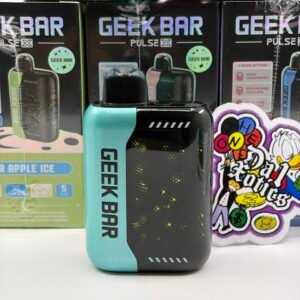

Geek Bar Pluse Disposable
Price range: $30.00 through $900.00
Reviews
There are no reviews yet.