
No products in the cart.
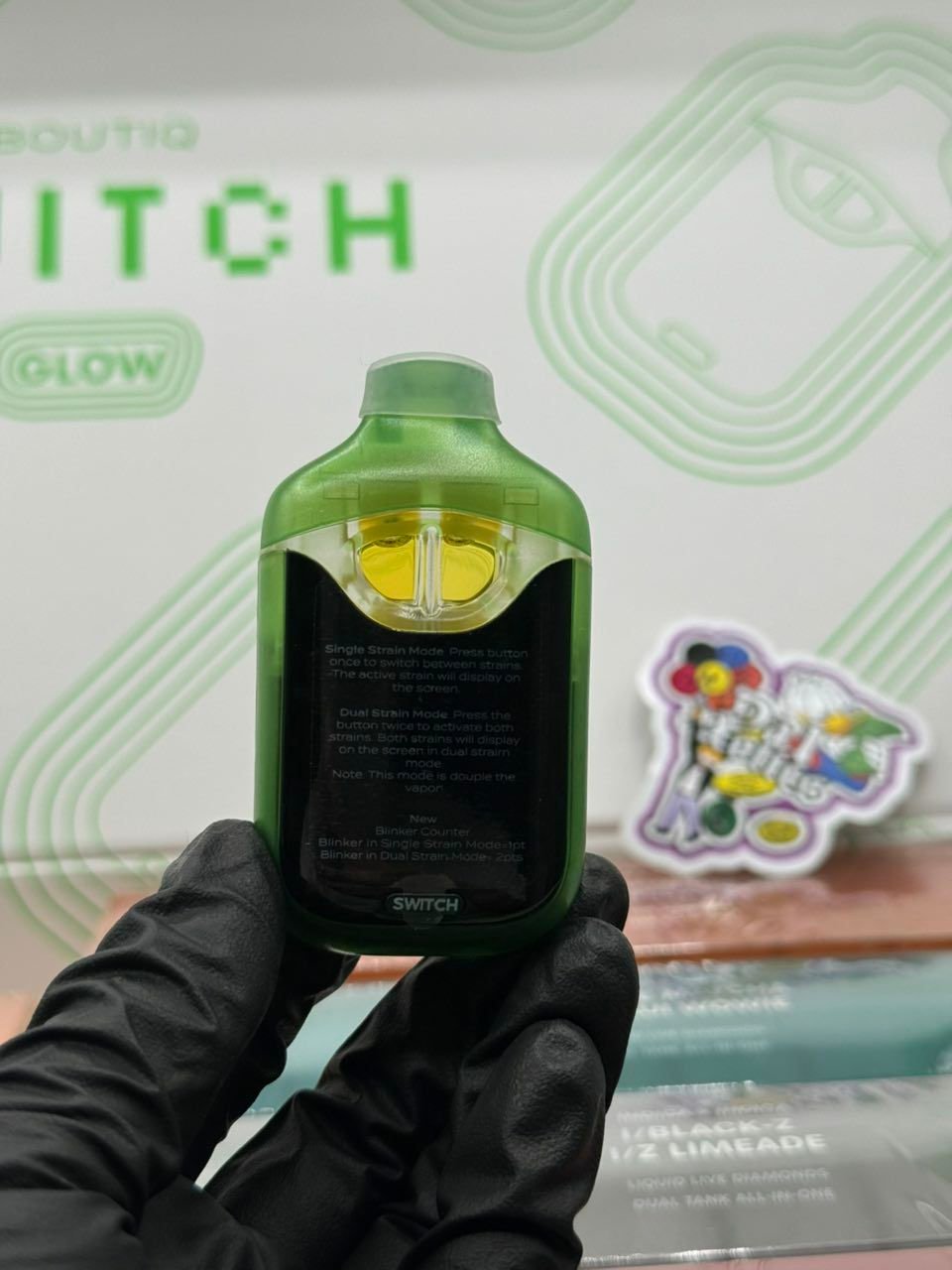
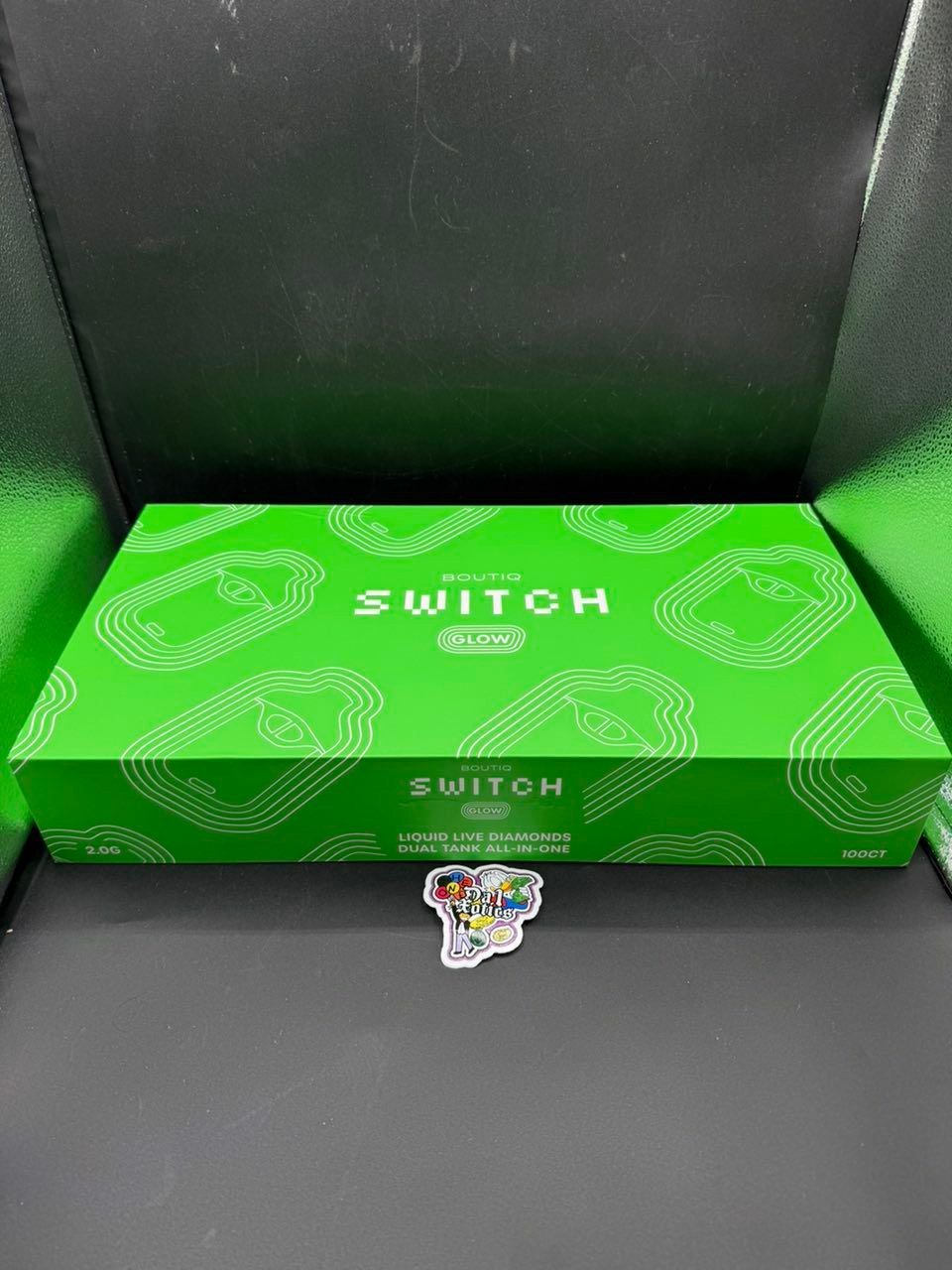
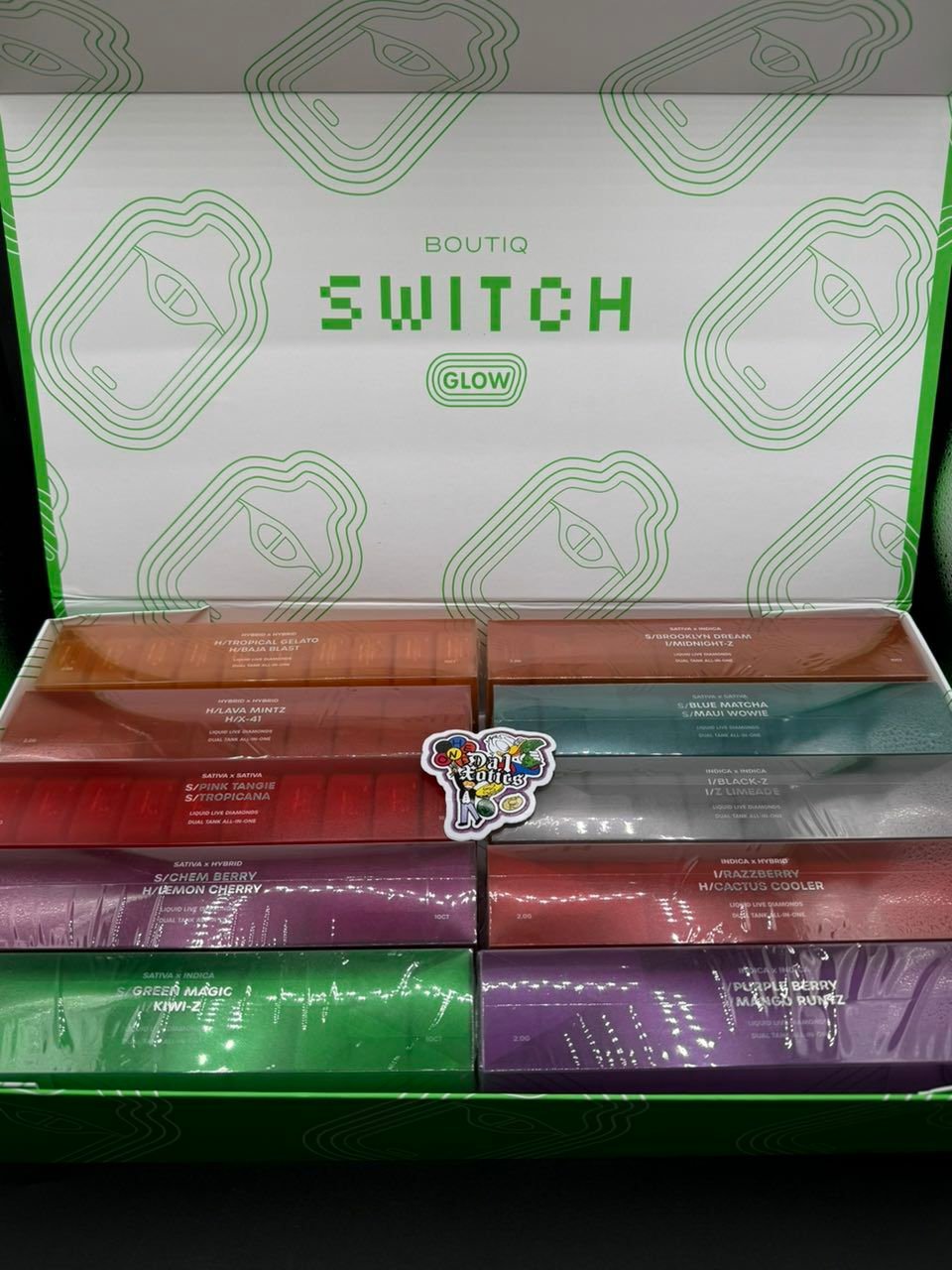
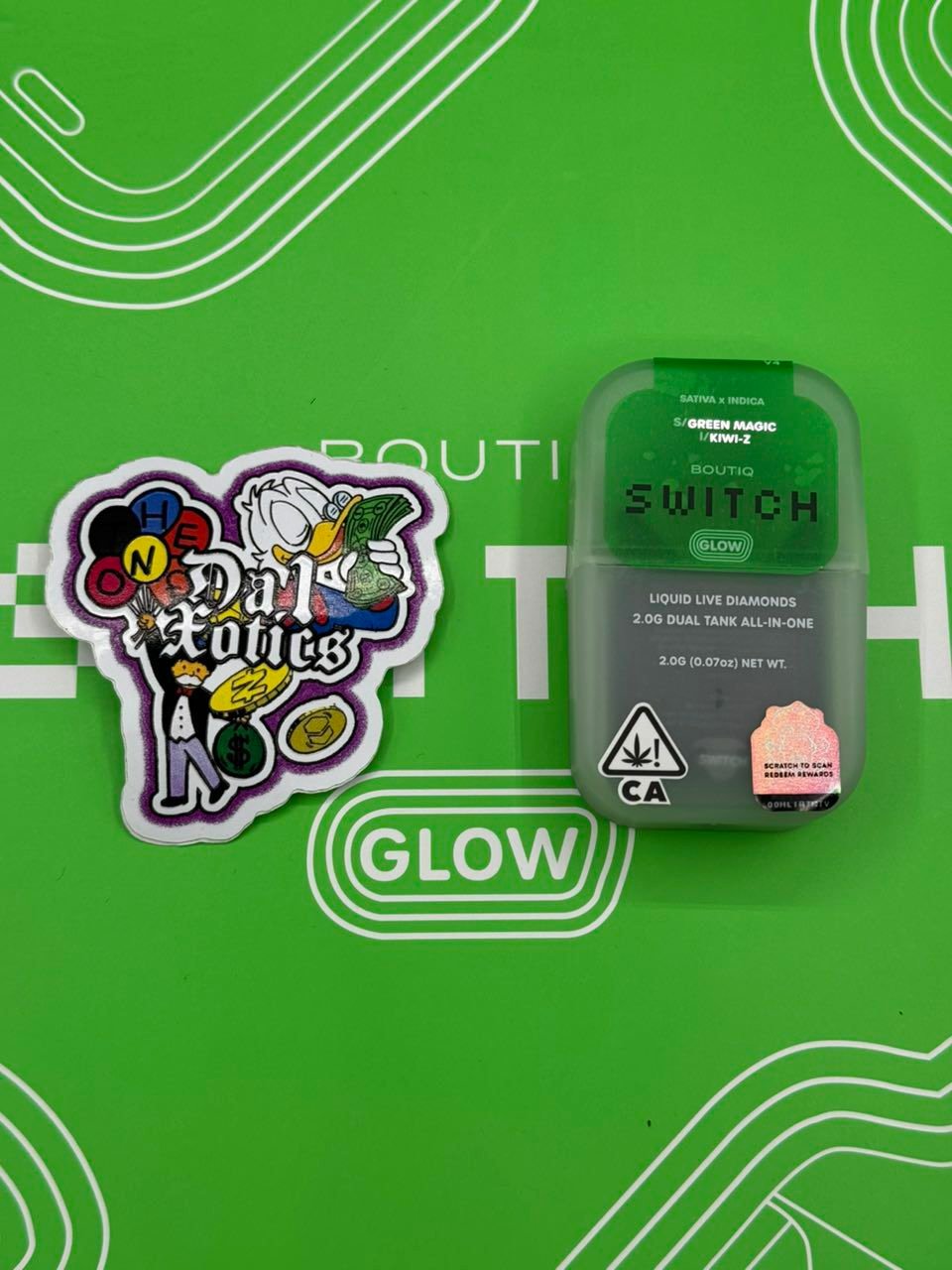
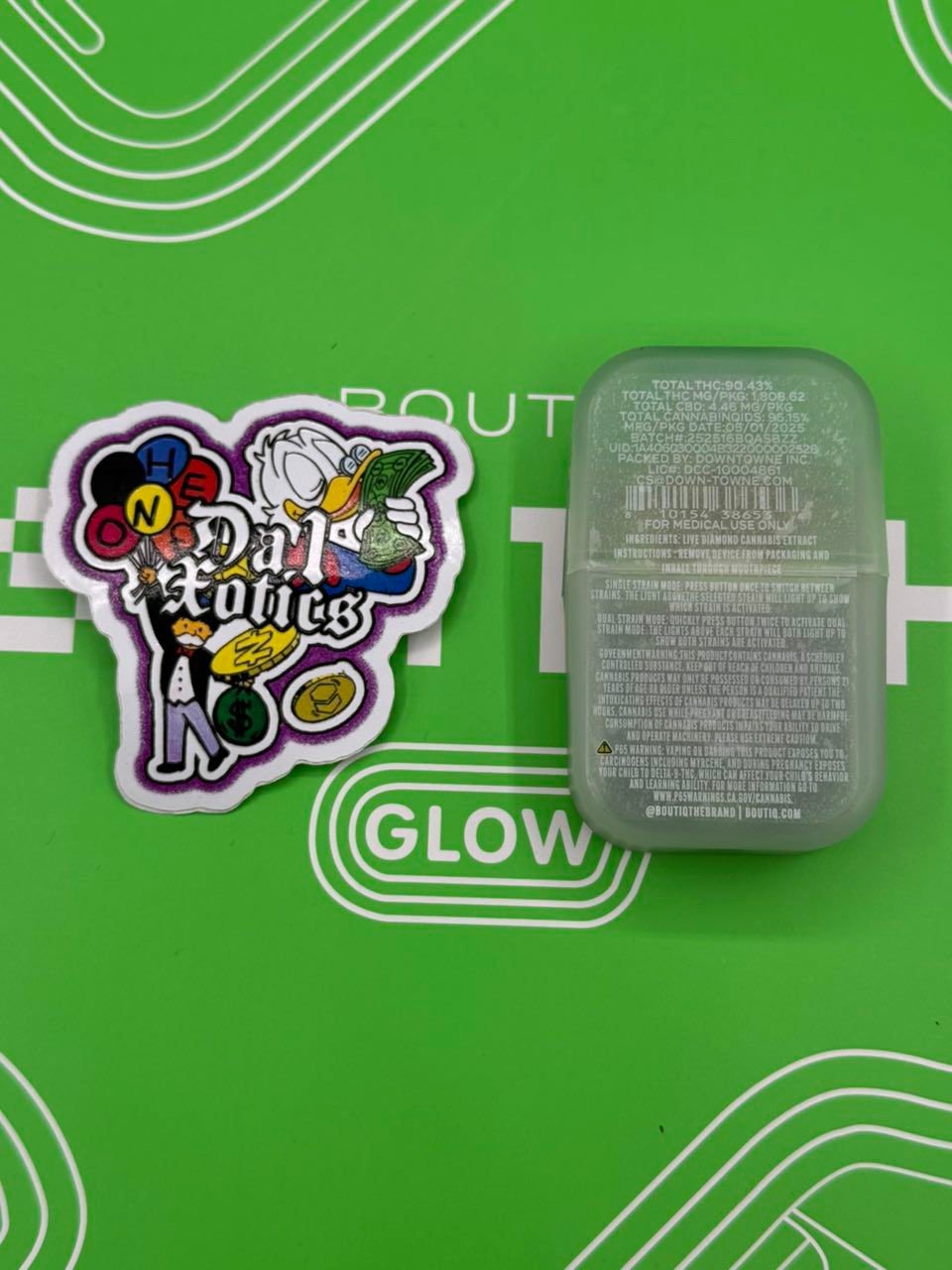
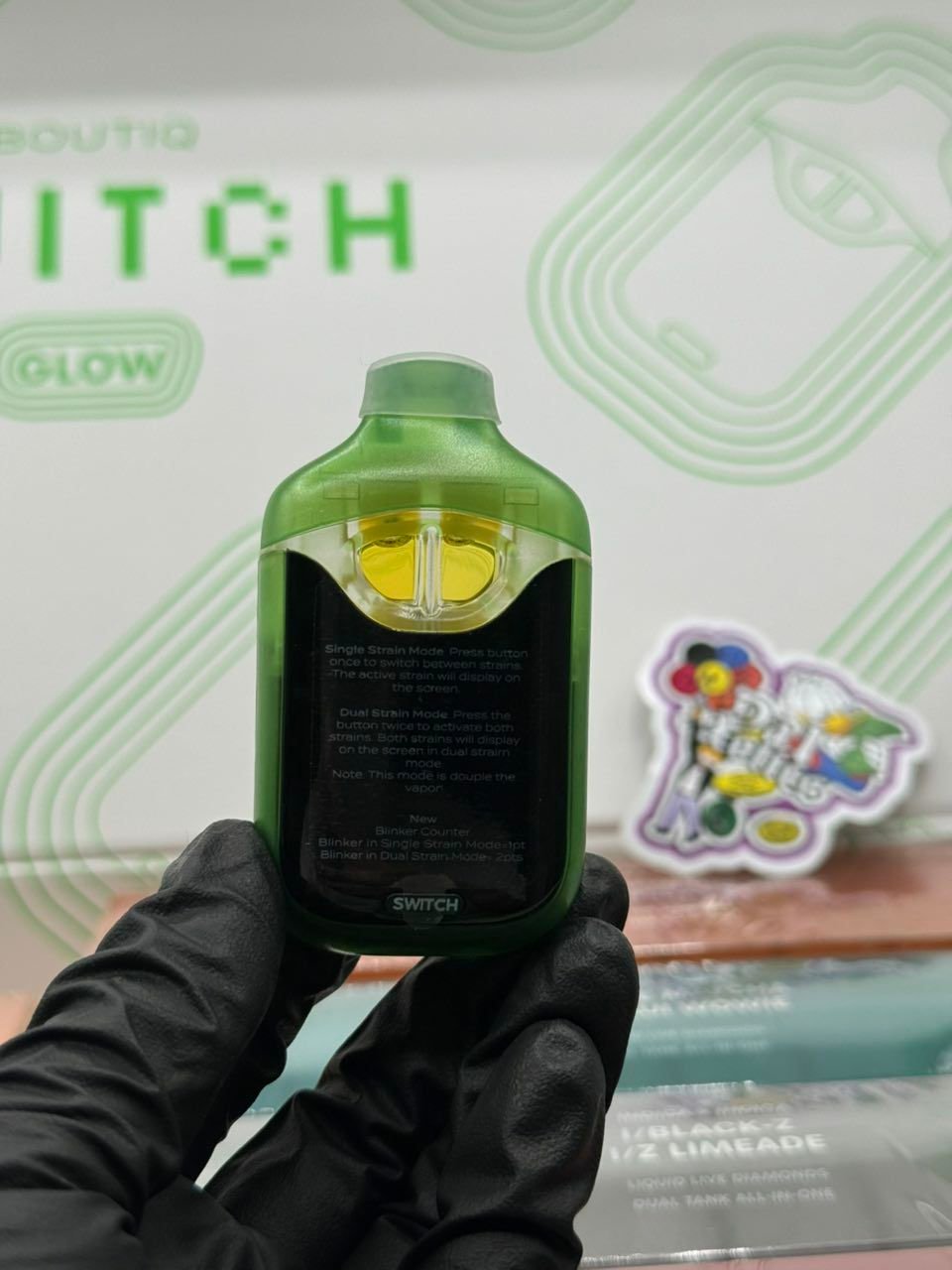
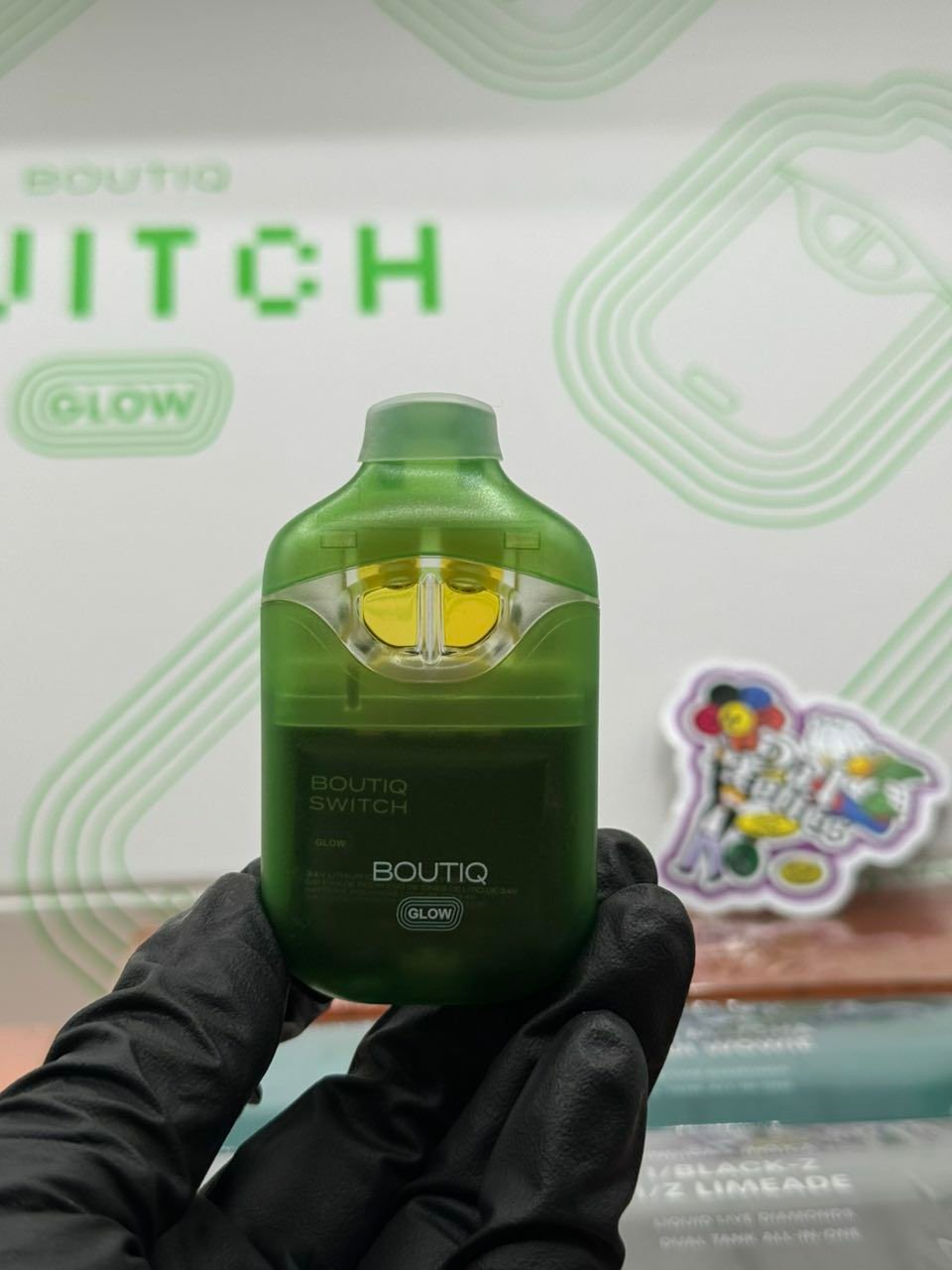
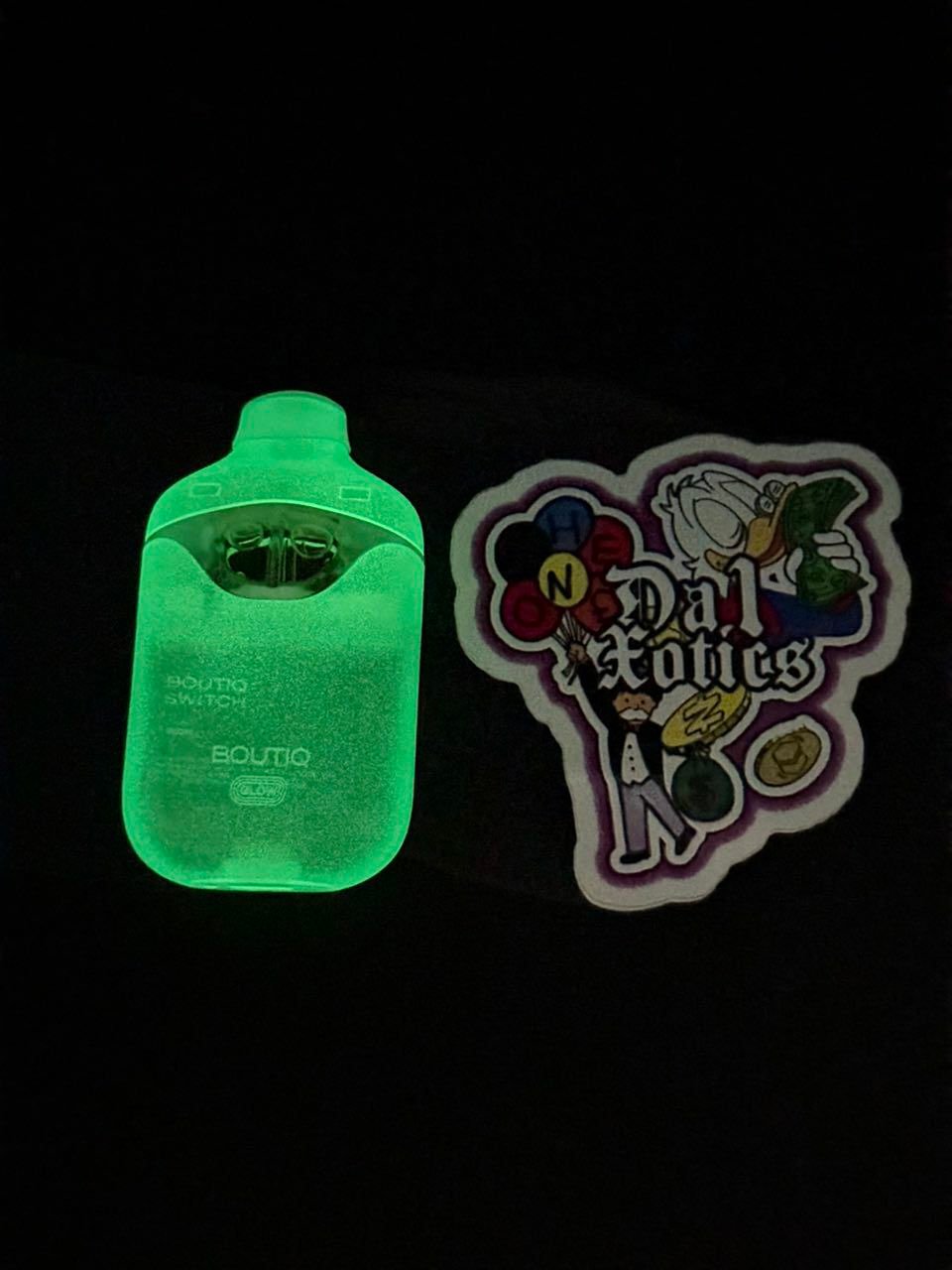

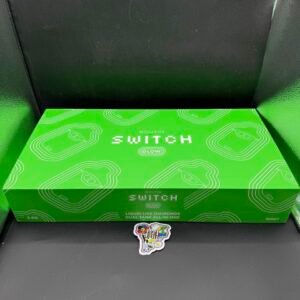
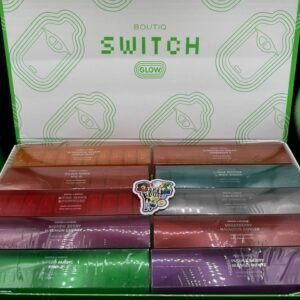
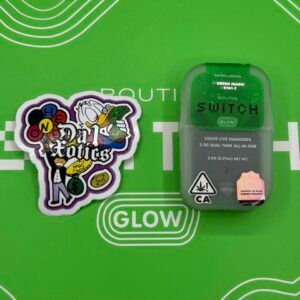
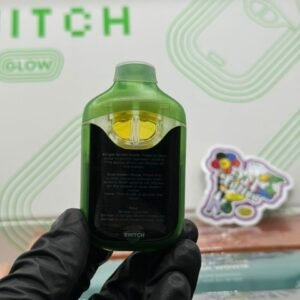
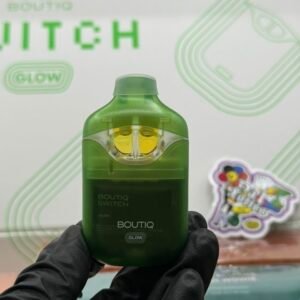
Boutiq Switch Glow V4
Price range: $25.00 through $900.00
Informational overview of Boutiq Switch Glow V4, covering versioned device design, visual indicator context, labeling transparency, regulatory considerations, and consumer awareness.
Boutiq Switch Glow V4: An Informational Overview
Introduction
The name Boutiq Switch Glow V4 appears online as a product identifier within a broader category of sealed electronic devices that feature integrated components and distinct design generations (often indicated by version numbers like “V4”). Understanding such labels responsibly requires separating terminology from guarantees, and design descriptions from claims of performance or compliance.
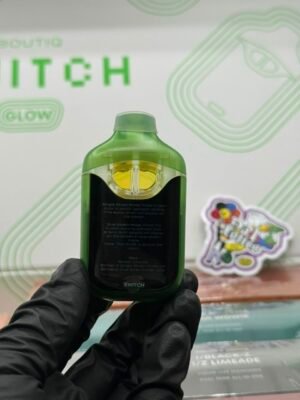
This article provides a neutral, evidence-based overview designed to help readers understand what the label signifies, how versioned devices are typically structured, what transparency and regulatory considerations commonly apply, and how to evaluate information using EEAT-aligned practices. The focus is on clarity, accuracy, and consumer awareness, not promotion.
1. Interpreting the Product Name
1.1 “Boutiq”
“Boutiq” functions as a brand identifier in listings and catalogs. A brand name helps differentiate products but does not, by itself, establish manufacturing origin, testing scope, or regulatory status. In many industries, branding and manufacturing are handled by separate entities through contract arrangements.
1.2 “Switch”
The term “Switch” commonly refers to a design feature or functional concept rather than a universal technical standard. Depending on context, it may indicate:
- A multi-mode or selectable configuration
- A hardware or interface element described by the brand
- A naming convention used to distinguish a model line
Without official documentation, “Switch” should be interpreted as a descriptor, not a specification.
1.3 “Glow”
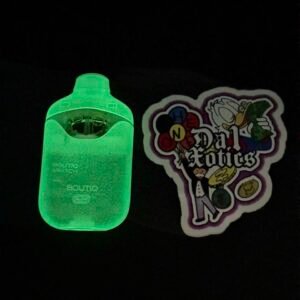
“Glow” typically references visual design elements (such as illumination or indicators) used to communicate device status or aesthetics. Visual descriptors do not imply performance, safety, or regulatory approval.
1.4 “V4”
The designation “V4” usually indicates a version or generation. Versioning can reflect:
- Iterative design changes
- Component sourcing updates
- Cosmetic or interface revisions
Version numbers do not guarantee improvements across all dimensions and should be evaluated through documentation.
2. Versioning and Product Iterations
2.1 Why Versioning Exists
Manufacturers often release versions (V1, V2, V3, V4) to:
- Incorporate feedback from prior iterations
- Address component availability
- Update aesthetics or interfaces
Versioning helps with internal tracking and consumer differentiation.
2.2 Limits of Version Labels
A higher version number does not automatically mean:
- Increased safety
- Greater compliance
- Longer lifespan
Each version must be assessed on its own documentation and disclosures.
3. High-Level Design Overview (Non-Operational)
At a conceptual level—without instructions—devices in this category often include:
- Outer Housing: Protects internal elements and displays labeling
- Integrated Power Source: Sealed within the device
- Internal Electronics: Manage functions and indicators
- Visual Indicators: Such as lights or status signals (when present)
Specific layouts and materials vary by manufacturer, batch, and revision.
4. “Glow” Features: Informational Context
4.1 Purpose of Visual Indicators
Visual elements described as “glow” are commonly used to:
- Signal device status (e.g., power or operation)
- Provide user feedback without sound
- Add a distinctive aesthetic element
These features are informational cues, not performance claims.
4.2 Interpreting Visual Cues Responsibly
- Visual indicators vary by design
- They do not confirm internal conditions or safety
- Meanings should be verified via official documentation
5. Manufacturing and Supply Chain Context
5.1 Contract Manufacturing
Many branded devices are produced through contract manufacturing, where:
- The brand specifies design and requirements
- A separate facility handles production
- Multiple brands may share suppliers
This can result in variability across production runs.
5.2 Traceability Practices
Responsible supply chains emphasize:
- Batch or lot identifiers
- Clear manufacturer or importer disclosures
- Records connecting production to quality checks
Traceability supports accountability and transparency.
6. Labeling and Disclosure Standards
6.1 Common Label Elements
Informational labels may include:
- Product name and version
- Brand or distributor information
- Batch or lot numbers
- Compliance symbols where applicable
Labels help identify products but are not assurances.
6.2 Reading Labels Critically
- Check for consistency across packaging and listings
- Look for traceability markers
- Treat claims conservatively unless independently verified
7. Quality Assurance and Testing (Conceptual)
7.1 Why Testing Is Referenced
In regulated categories, testing is often discussed to address:
- Electrical safety
- Materials verification
- Labeling accuracy
Testing enhances transparency when documented and current.
7.2 Limits of Testing Claims
- Tests apply to specific samples
- Results may not generalize across batches
- Standards vary by jurisdiction
Testing is a snapshot, not a permanent guarantee.
8. Regulatory Landscape (U.S. Focus)
8.1 Federal Considerations
Depending on category, U.S. oversight may involve:
- Labeling and packaging requirements
- Importation and distribution rules
- Marketing and disclosure restrictions for age-restricted products
Regulatory frameworks evolve and differ by product type.
8.2 State and Local Variations
States and municipalities may impose additional requirements related to:
- Age verification
- Packaging standards
- Waste management
Compliance is location-specific.
9. International Context
Outside the U.S., regulations differ widely:
- No universal global standard applies
- Documentation acceptable in one region may be insufficient in another
- Cross-border listings require careful review
Always consult local authorities.
10. Safety Context (Non-Medical)
10.1 General Safety Awareness
Informational discussions often include:
- Electrical safety considerations
- Proper handling of sealed electronics
- Storage away from extreme conditions
10.2 What This Article Does Not Provide
- No health or medical advice
- No usage or operational instructions
- No comparative or persuasive claims
Health questions belong with qualified professionals.
11. Environmental Considerations
11.1 Electronic Waste Awareness
Sealed, single-lifecycle devices can contribute to:
- E-waste accumulation
- Recycling challenges due to mixed materials
- Increased disposal volume
Environmental impact is a significant public discussion topic.
11.2 Responsible Disposal Awareness
- Follow local e-waste guidance
- Use recycling programs where available
- Avoid improper disposal
12. Authenticity and Counterfeit Awareness
12.1 Why Counterfeits Occur
Recognizable brand names and versioned models can attract:
- Unauthorized reproductions
- Incomplete labeling
- Inconsistent quality controls
12.2 Information-Based Risk Reduction
- Look for batch or lot identifiers
- Verify distributor details
- Prefer sources with clear disclosures
13. Evaluating Online Information with EEAT
13.1 Experience
Value sources demonstrating first-hand familiarity with labeling norms, regulations, and supply chains.
13.2 Expertise
Seek explanations grounded in standards, policy, and verifiable facts.
13.3 Authoritativeness
Cross-check claims against official guidance and established publications.
13.4 Trustworthiness
Be cautious of:
- Overly promotional language
- Claims without sources
- Pages mixing persuasion with information
14. Common Misconceptions Clarified
- Version numbers equal approval: Not implied
- Visual features imply performance: Not established
- Brand names equal manufacturing origin: Often untrue
Clarifying these points reduces misinformation.
15. Best Practices for Informational Pages
EEAT-aligned pages typically include:
- Clear scope and disclaimers
- Conservative, factual language
- Acknowledgment of uncertainty
- Separation of information from marketing
16. Industry Trends (High-Level)
Across versioned electronic devices, trends include:
- Greater emphasis on transparency and labeling clarity
- Increased attention to environmental impact
- Evolving regulatory oversight
Follow trends through official updates.
17. Consumer Information Literacy
Responsible readers:
- Verify dates and sources
- Understand jurisdictional differences
- Recognize limitations of online claims
Information literacy supports informed awareness.
18. Transparency and Accountability
Transparency benefits stakeholders by:
- Improving trust
- Reducing confusion
- Supporting responsible public discourse
Accountability depends on documentation and disclosure.
19. Distinguishing Information from Marketing
Informational content should:
- Avoid calls to action
- Present facts with context
- Disclose limitations openly
This distinction supports SEP compliance.
20. Conclusion
Boutiq Switch Glow V4 serves as a versioned product identifier within a category of sealed electronic devices featuring distinct design descriptors. Understanding such labels responsibly requires attention to versioning context, labeling practices, regulatory considerations, environmental impact, and information quality.
| Flavors | Blue Razz, Strawberry Banana, Watermelon Ice, Mango, Grape, Pineapple, Peach, Apple, Mixed Berry, Tropical Punch, Lemon Lime, Cherry, 5pack, 10pack, 25pack, 50pack, 100pack |
|---|
Be the first to review “Boutiq Switch Glow V4”
Related products


OG Cake Disposable 2G
Price range: $30.00 through $950.00

Whole Melt V6 Disposable
Price range: $25.00 through $950.00

BESOS SDL Limited Edition
Price range: $25.00 through $800.00

CLEAN CART UFC Edition
Price range: $25.00 through $750.00

Blinkers Disposable Vape
Price range: $30.00 through $900.00


Luigi Live Resin Pre Roll
Price range: $30.00 through $950.00
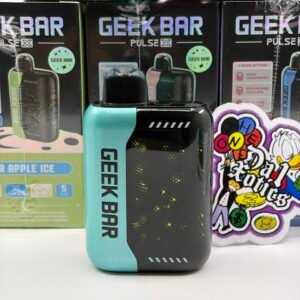

Geek Bar Pluse Disposable
Price range: $30.00 through $900.00
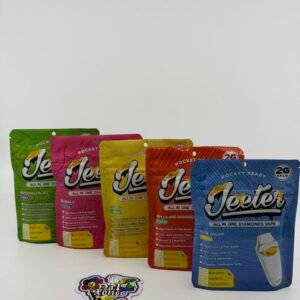
Baby Jeeter Bubba G
Price range: $25.00 through $900.00
Reviews
There are no reviews yet.