
No products in the cart.
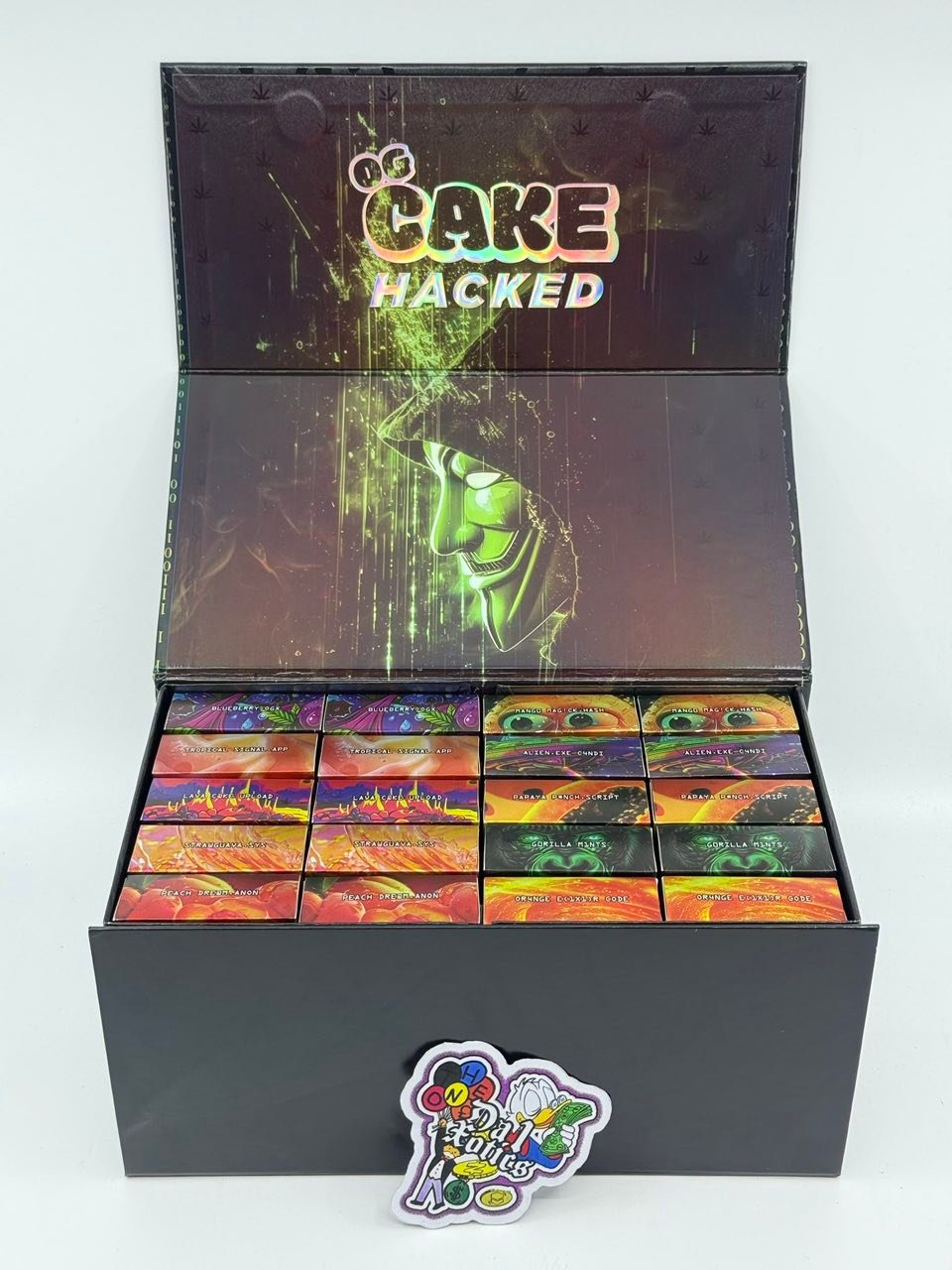
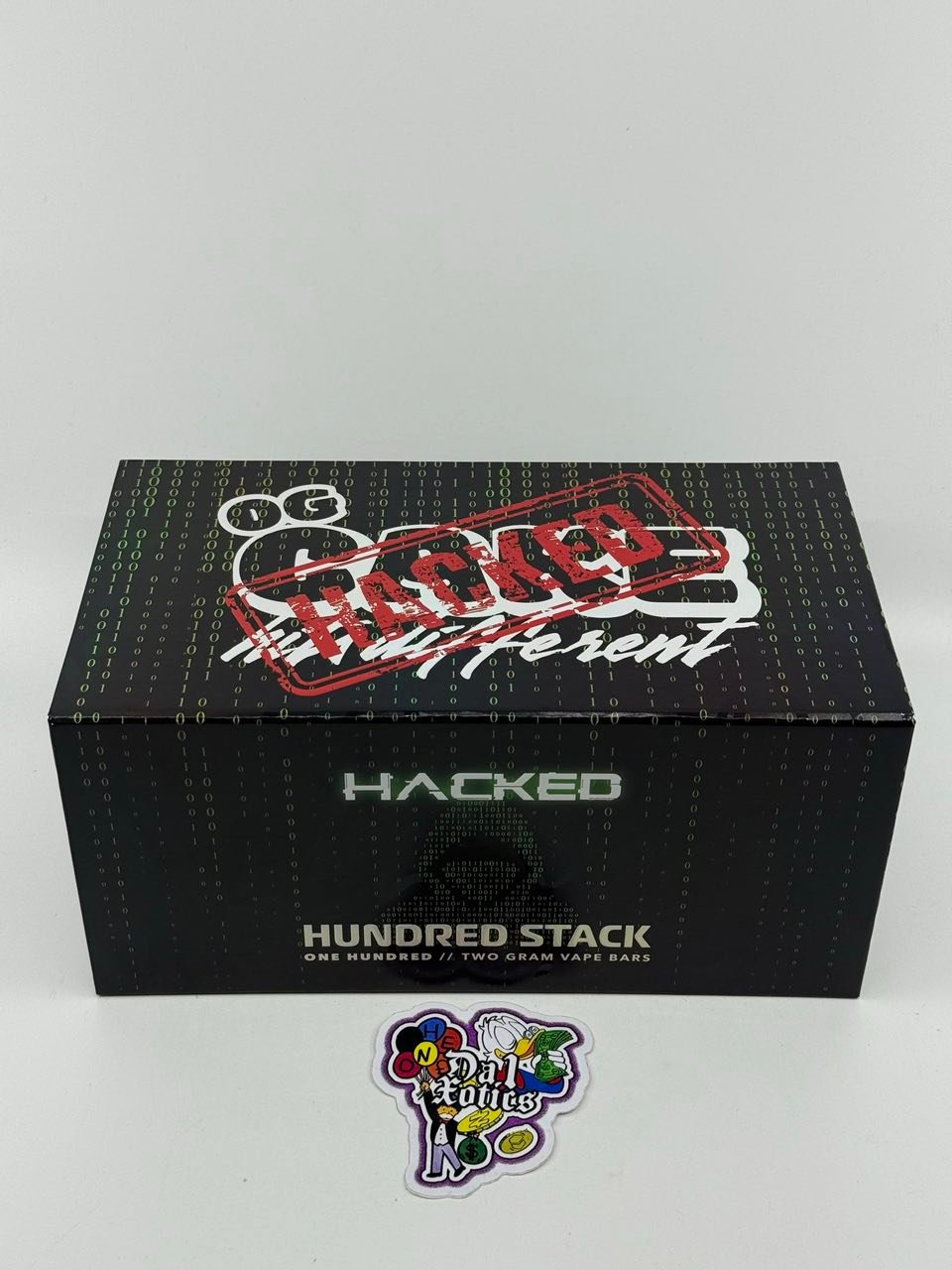
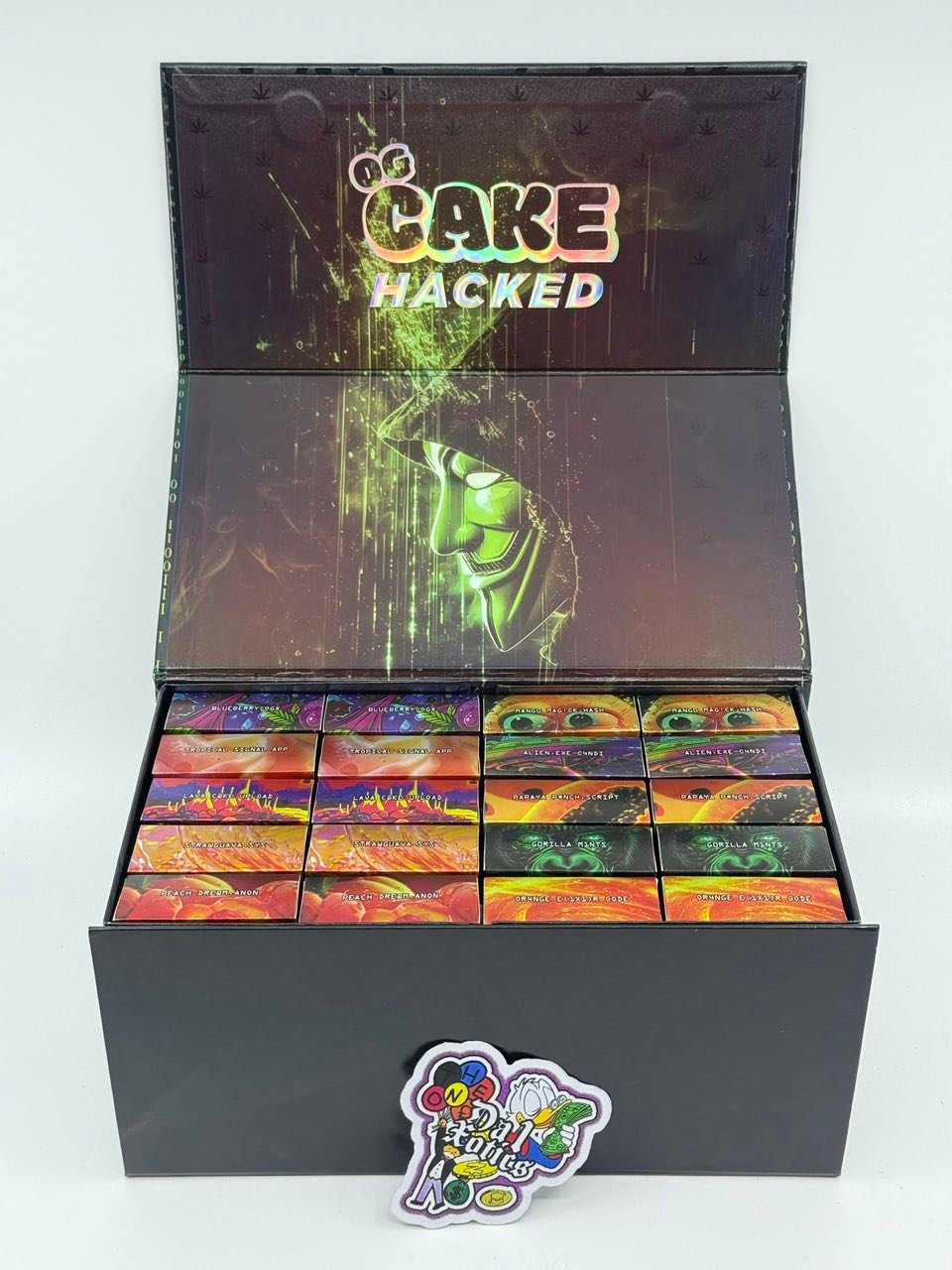
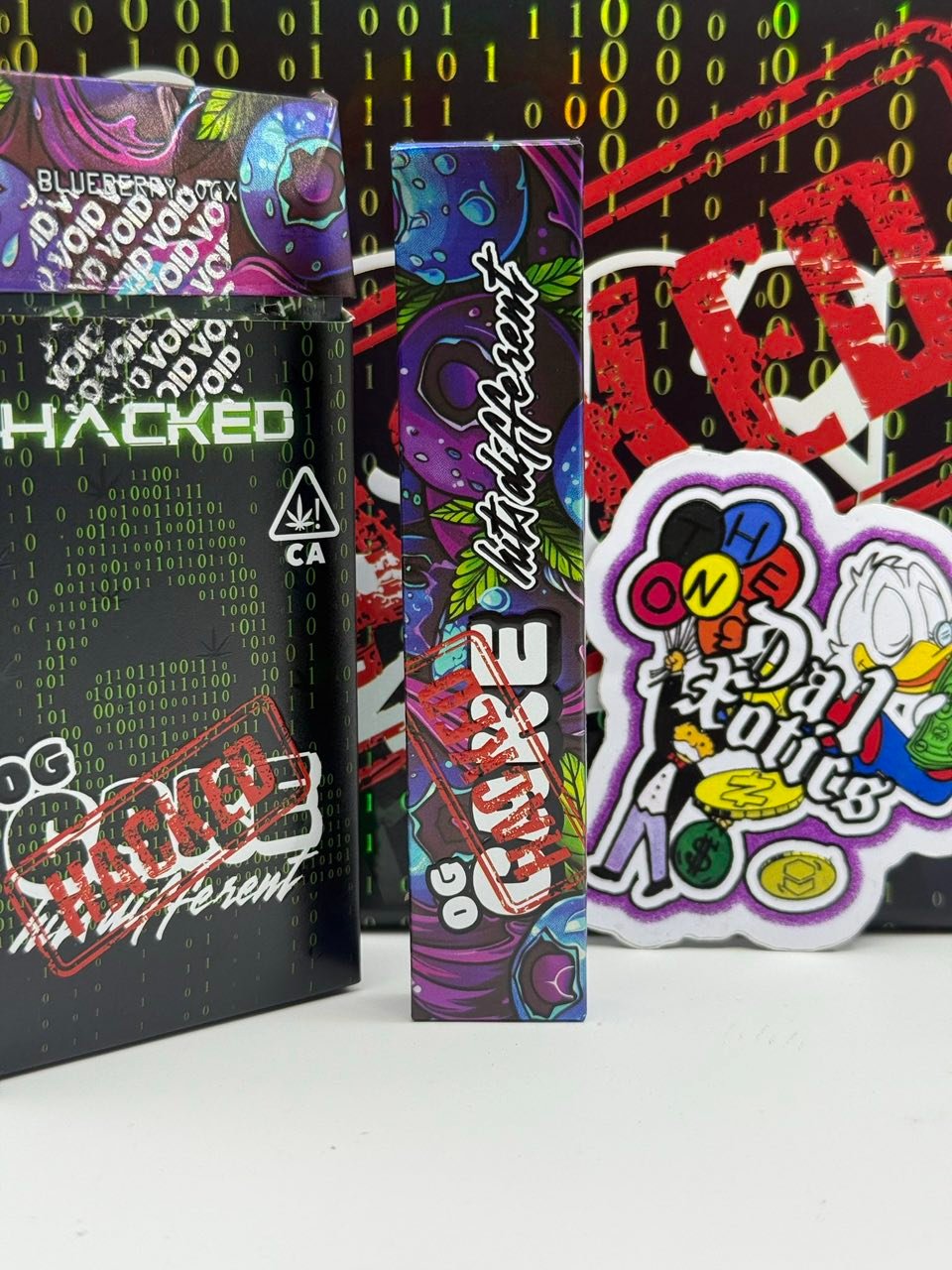
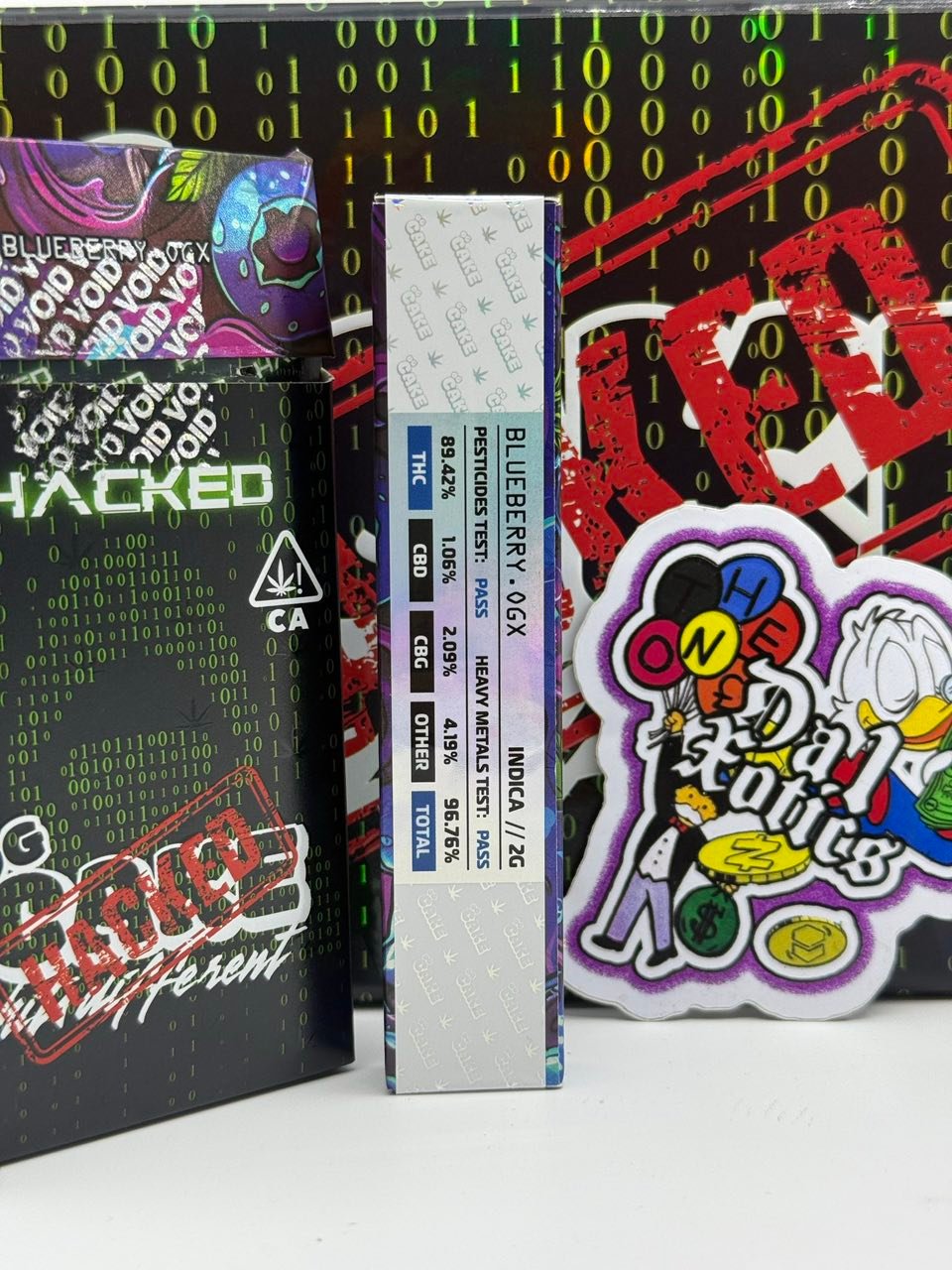
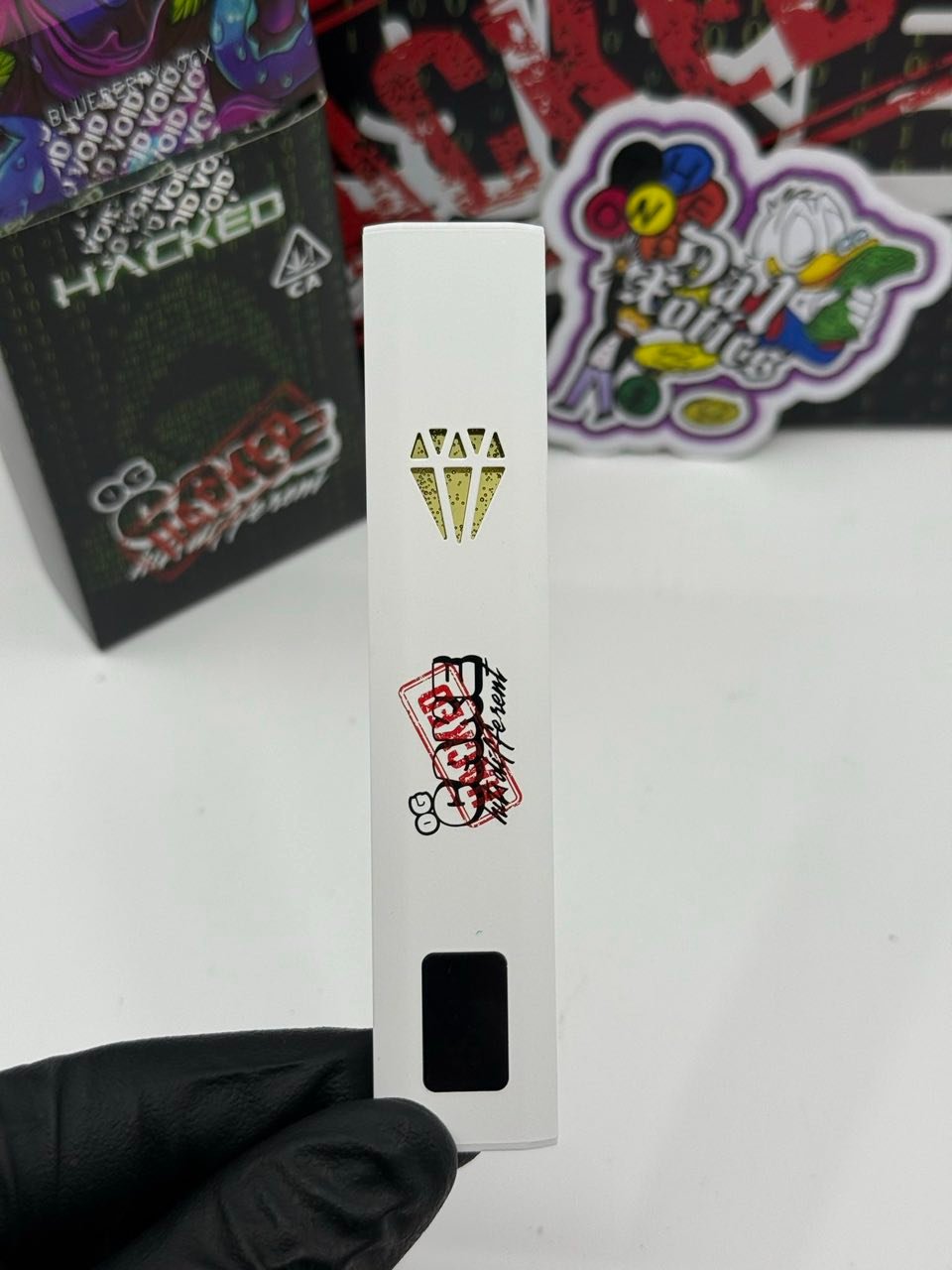
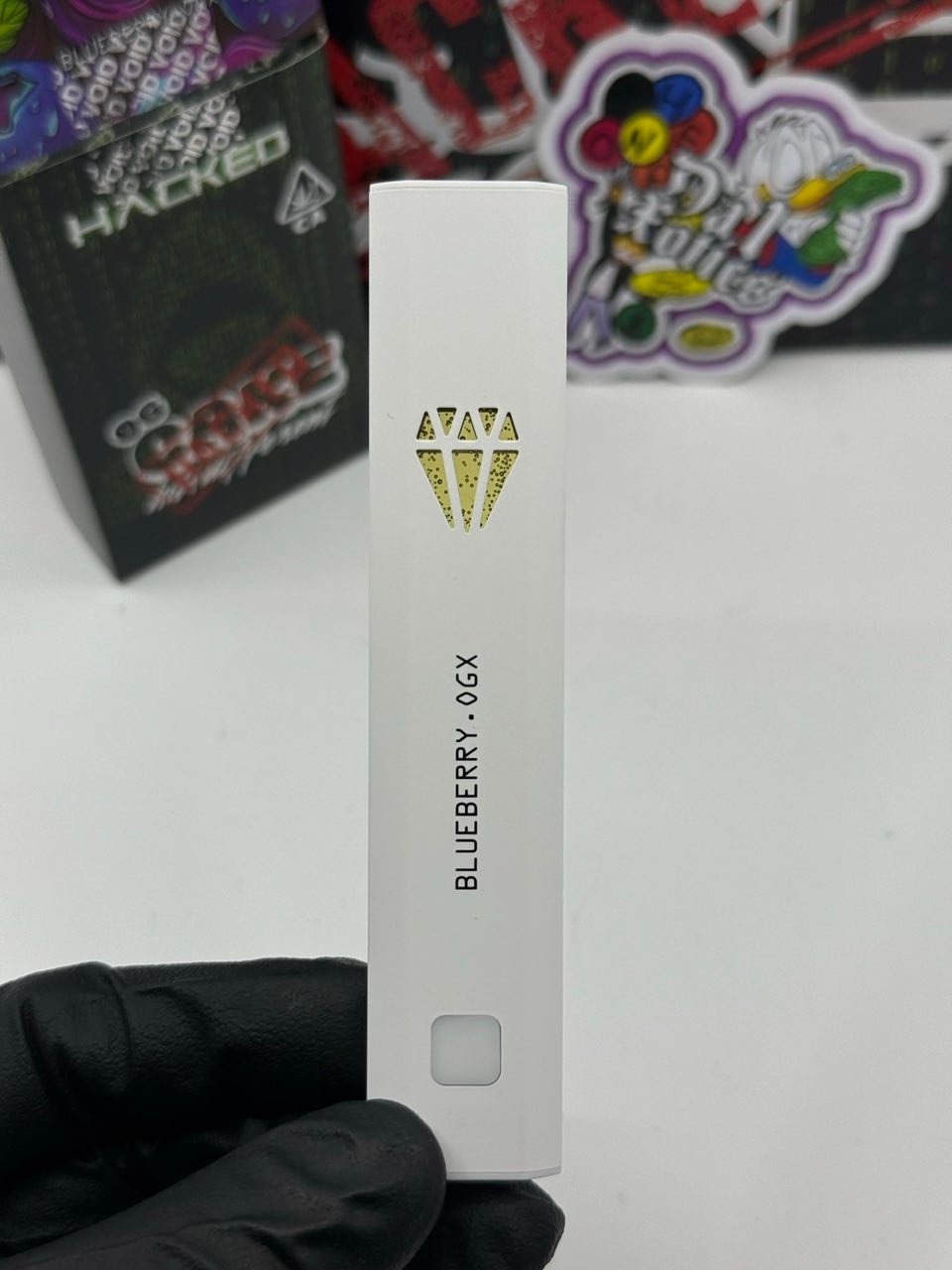



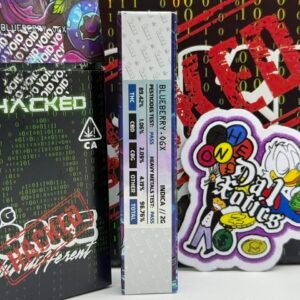
OG Cake Disposable 2G
Price range: $30.00 through $950.00
Informational overview of OG Cake Disposable 2G, explaining capacity labeling, disposable device design, regulatory context, transparency practices, and consumer awareness considerations.
OG Cake Disposable 2G: A Comprehensive Informational Overview
Introduction
The term OG Cake Disposable 2G is used online to refer to a compact, single-use electronic device with a 2-gram capacity. While this name appears in retail listings, discussions, and product catalogs, understanding it responsibly requires separating labeling language from verified facts.
This article provides a neutral, evidence-based overview of what such a product name represents, how these devices are generally designed and labeled, the regulatory and compliance frameworks often associated with them, and how to critically evaluate information—especially online—using EEAT principles.
1. What Does “OG Cake Disposable 2G” Mean?
The phrase can be broken down into three elements:
- OG Cake – a label or identifier that may be associated with a particular bundled formulation or flavor profile used in marketing.
- Disposable – a term describing a single-use, sealed device that is not designed to be refilled or repaired by the user.
- 2G – a capacity label indicating approximately two grams of internal material, often used for inventory and disclosure purposes.
None of these elements, on their own, guarantee quality, safety, effectiveness, or compliance. They are descriptive labels used for identification within listings and catalogs.
2. Interpreting Capacity Labels (e.g., “2G”)
2.1 What Capacity Labels Represent
The “2G” designation typically refers to a 2-gram capacity of internal contents. In product listings, this term is used to standardize how products are referenced across marketplaces and inventories.
- It indicates quantity, not quality.
- The measurement is usually approximate and subject to labeling norms.
- It does not, in itself, convey safety or efficacy.
2.2 Common Misinterpretations
Consumers sometimes associate larger capacity with:
- Longer lifespan of use
- Better device performance
- Higher overall value
However, these are not inherent in the label and must be verified through independent documentation or regulatory testing when available.
3. What “Disposable” Signifies
3.1 Definition and Design
A disposable device in this category is typically:
- Factory-sealed
- Non-refillable
- Non-serviceable
- Intended for a single cycle of use followed by disposal
This format contrasts with refillable systems or modular devices that allow maintenance or part replacement.
3.2 Practical Implications
The disposable design may:
- Reduce direct user interaction with internal components
- Simplify operation through an “all-in-one” sealed format
- Shift the responsibility for quality control and compliance to the manufacturer or brand
4. Overview of Device Components
At a high level (without instructions or promotion), devices labeled in this way usually consist of:
- Outer Housing: Protects internal components and often displays label information.
- Internal Chamber: Holds the internal material (which may vary by brand and jurisdiction).
- Power Source: Integrated and sealed, not user-replaceable.
- Activation Mechanism: This varies by design; some devices are draw-activated, others may have electronics.
Device configurations vary, and the name “OG Cake Disposable 2G” does not specify internal mechanisms or performance.
5. Labeling and Transparency
5.1 Why Labeling Matters
Clear labeling serves multiple informational and regulatory functions:
- Identifies product category and capacity
- Provides traceability via batch or lot numbers
- Indicates manufacturer, importer, or distributor
- Communicates any required compliance symbols
5.2 How to Read Labels Responsibly
Consumers and researchers should:
- Look for batch identifiers where present
- Review the list of disclosed contents on packaging
- Understand that labels are informational; they do not imply safety
Lack of detailed labeling should prompt caution, not assumptions.
6. Quality Assurance and Testing (When Available)
6.1 Third-Party Testing
In some regulated markets, products undergo independent third-party testing to evaluate:
- Consistency of contents across batches
- Presence of contaminants
- Accuracy of labeling
Testing enhances transparency when properly documented.
6.2 Limitations of Testing
Test results:
- Are usually batch-specific
- Reflect conditions at the time of testing
- Do not guarantee uniform results across all units
Testing is a snapshot, not a permanent guarantee.
7. Manufacturing and Supply Chain Context
7.1 Contract Manufacturing
Many products are made in contract manufacturing facilities that may produce devices for multiple brands. This can lead to:
- Variations in documentation practices
- Differences in quality control processes
- Labels reflecting a brand identity rather than the manufacturing entity
Understanding the distinction between brand and manufacturer is important for traceability.
7.2 Traceability Practices
Good traceability includes:
- Batch or lot numbers
- Production records tied to quality checks
- Supply chain documentation
Traceability aids compliance, recalls, and consumer awareness.
8. Regulatory Landscape (U.S. Focus)
8.1 Federal Oversight
In the United States, federal agencies may address:
- Labeling standards for certain categories
- Safety standards for electronic devices
- Import regulations
Federal oversight does not automatically imply approval of all products with a given label.
8.2 State and Local Rules
State and local jurisdictions may require:
- Age verification
- Specific labeling disclosures
- Packaging standards
Laws vary widely; what is permitted in one state may be restricted in another.
9. Safety and Consumer Awareness
9.1 Research Context
Scientific research into inhalation products and related technologies is ongoing. Public health agencies study:
- Exposure pathways
- Chemical transformations under use conditions
- Long-term outcomes
This is a dynamically evolving field.
9.2 Limitations of Research
Research often varies by methodology, population, and context. Conclusions may change as new evidence emerges.
This article does not provide medical or health advice.
10. Environmental Considerations
10.1 Waste and Disposal
Disposable devices can contribute to environmental issues:
- Electronic waste due to integrated circuits and batteries
- Mixed materials that complicate recycling
- Potential chemical residues
Discussing environmental impact is part of a broader informational context.
10.2 Responsible Disposal Awareness
Where options exist:
- Follow local e-waste guidelines
- Seek out recycling programs
- Avoid improper disposal in household waste streams
Environmental policies evolve; consumers should consult local guidance.
11. Authenticity and Counterfeit Awareness
11.1 Risks of Unauthorized Items
Brand names and recognizable product terms can attract:
- Counterfeit products
- Misleading labeling
- Inconsistent quality controls
These may lack proper documentation or testing.
11.2 How to Evaluate Authenticity
Consumers can consider:
- Checking for batch and lot numbers
- Reviewing labeling for completeness
- Preferring sources with clear transparency statements
Authenticity awareness supports consumer safety and informed decisions.
12. Evaluating Online Information (EEAT)
12.1 Experience
Prioritize content from people and organizations with direct, verifiable experience in regulatory compliance, labeling, and safety contexts.
12.2 Expertise
Look for explanatory content backed by:
- Authoritative agencies
- Scientific research
- Regulatory guidance
12.3 Authoritativeness
Cross-check claims against:
- Government or regulatory sites
- Established professional publications
- Documented testing results
12.4 Trustworthiness
Prefer sources that:
- Cite verifiable documents
- Distinguish opinion from fact
- Disclose uncertainties and limitations
These practices align with Google’s EEAT expectations.
13. Common Misconceptions Clarified
- Labeling terms like “OG Cake” or “2G” do not equal quality certification.
They are descriptive identifiers, not endorsements. - “Disposable” does not imply innocuous or risk-free.
It describes design, not safety. - Brand names are not the same as manufacturing identities.
Traceability often requires documentation beyond the brand label.
Understanding these reduces misinformation.
14. Transparency Best Practices
High-quality informational content should:
- Present clear, accurate definitions
- Distinguish between verified facts and assumptions
- Provide citations where available
- Update as new regulatory standards emerge
Transparency improves both SEO outcomes and user trust.
15. Industry Trends (High-Level)
Across device categories involving sealed, capacity-labeled formats, trends show:
- Increasing emphasis on clear labeling standards
- Growing conversation about environmental impact
- Regulatory frameworks that vary by region and evolve over time
Staying current requires consulting official sources.
16. Consumer Information Literacy
Being an informed reader means:
- Reading labels carefully
- Checking multiple reputable sources
- Understanding jurisdictional differences
- Recognizing when claims lack independent verification
Critical thinking supports responsible awareness.
Conclusion
OG Cake Disposable 2G is a product descriptor within a category of sealed, capacity-labeled disposable devices. Knowing what these names signify—and what they do not—is essential to responsible understanding. Accurate interpretation depends on clear labeling, transparent documentation, regulatory context, and critical evaluation of information sources.
| Flavors | OG Cake, Vanilla Cake, Birthday Cake, Wedding Cake, Lemon Cake, Strawberry Cake, Chocolate Cake, Red Velvet, Blueberry Cake, Confetti Cake, Caramel Cake, Cookies & Cake, Cake Batter, 5pack, 10pack, 25pack, 50pack, 100pack |
|---|
Be the first to review “OG Cake Disposable 2G”
Related products
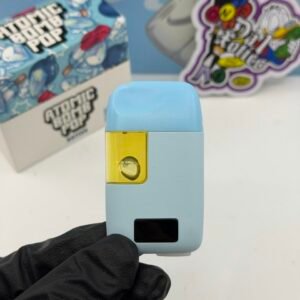
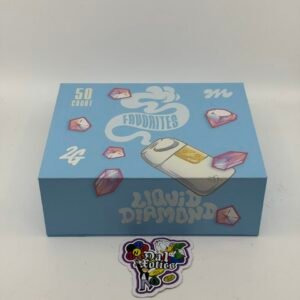
Favorite 2G Minis Disposable
Price range: $30.00 through $980.00

Uncategorized
Price range: $30.00 through $900.00

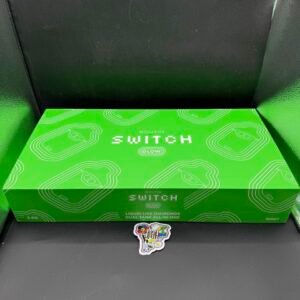
Boutiq Switch Glow V4
Price range: $25.00 through $900.00

Uncategorized
$25.00


Luigi Live Resin Pre Roll
Price range: $30.00 through $950.00
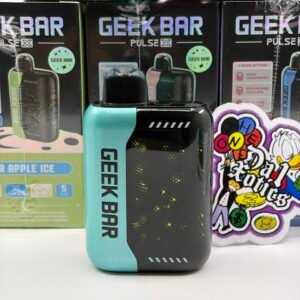

Geek Bar Pluse Disposable
Price range: $30.00 through $900.00
Uncategorized
Price range: $20.00 through $30.00

BESOS SDL Limited Edition
Price range: $25.00 through $800.00
Reviews
There are no reviews yet.