
No products in the cart.


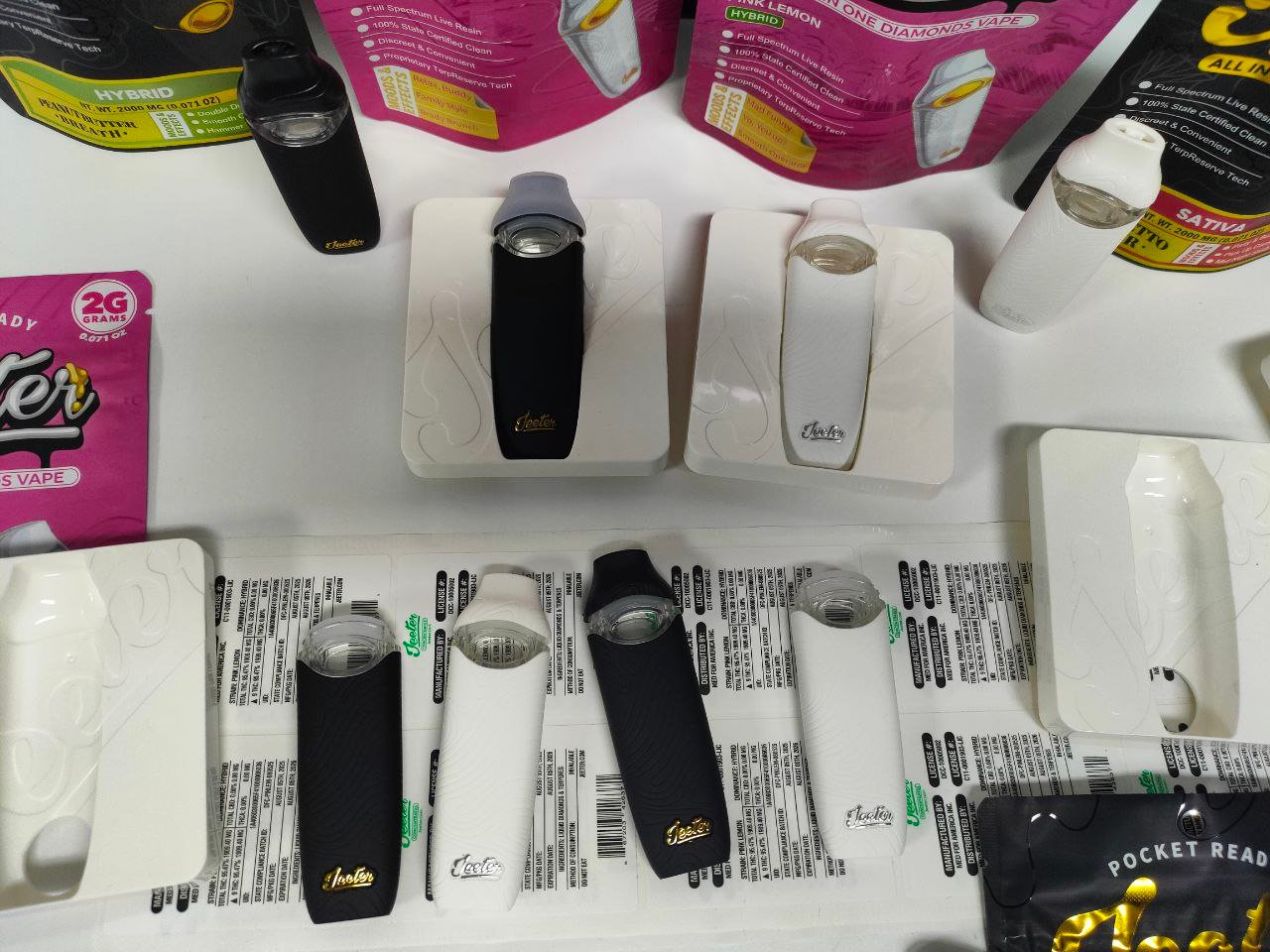
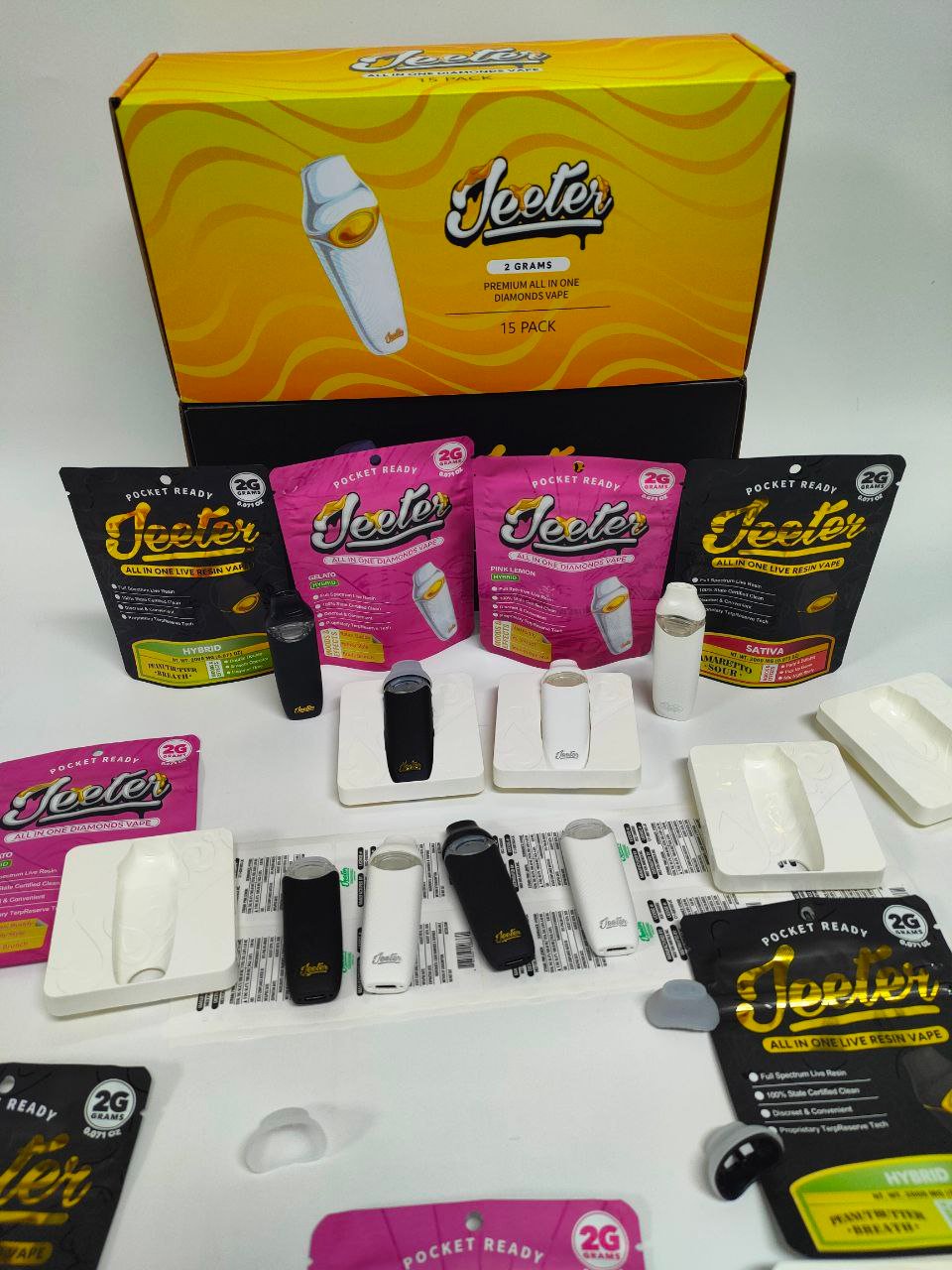
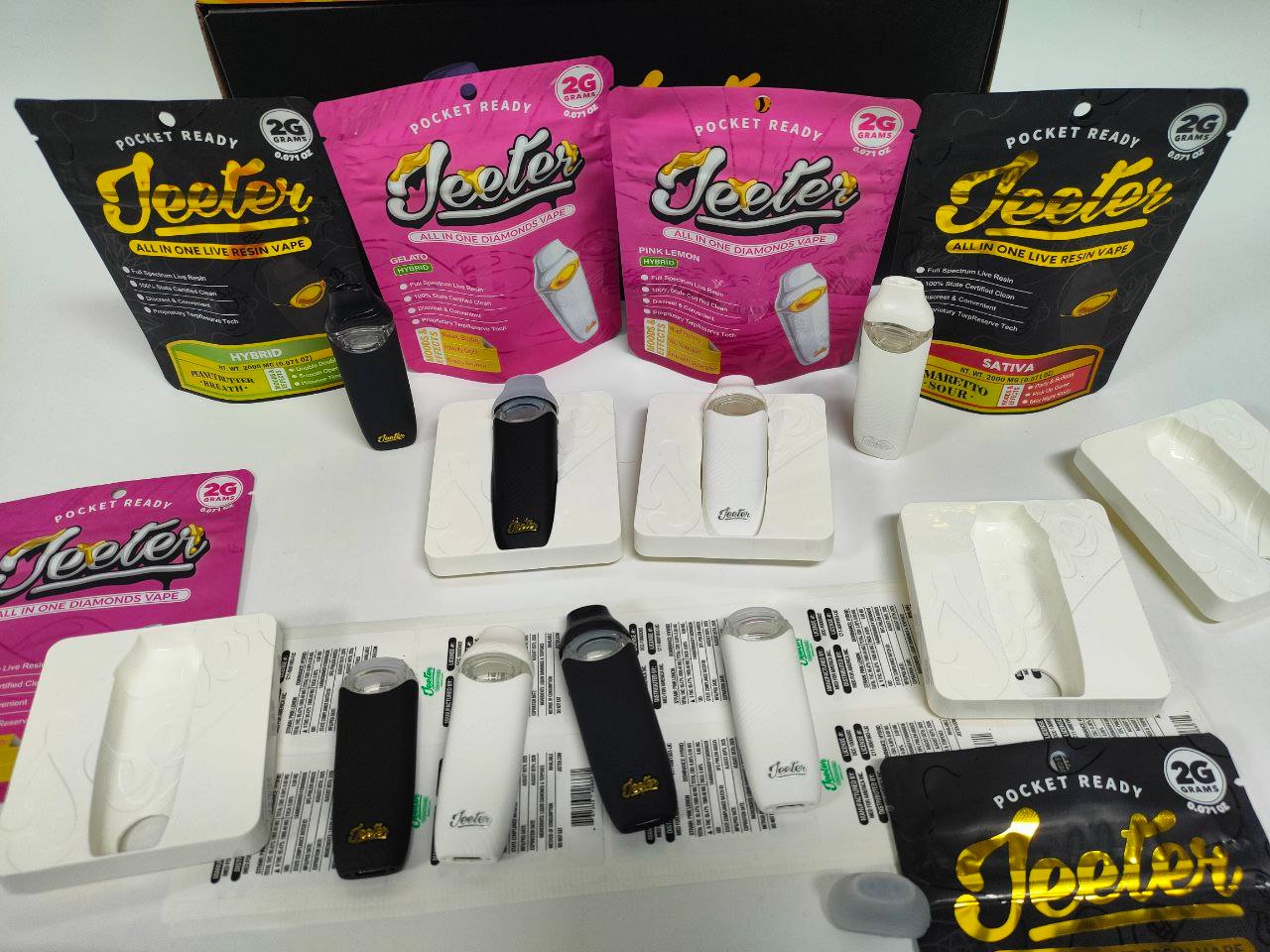

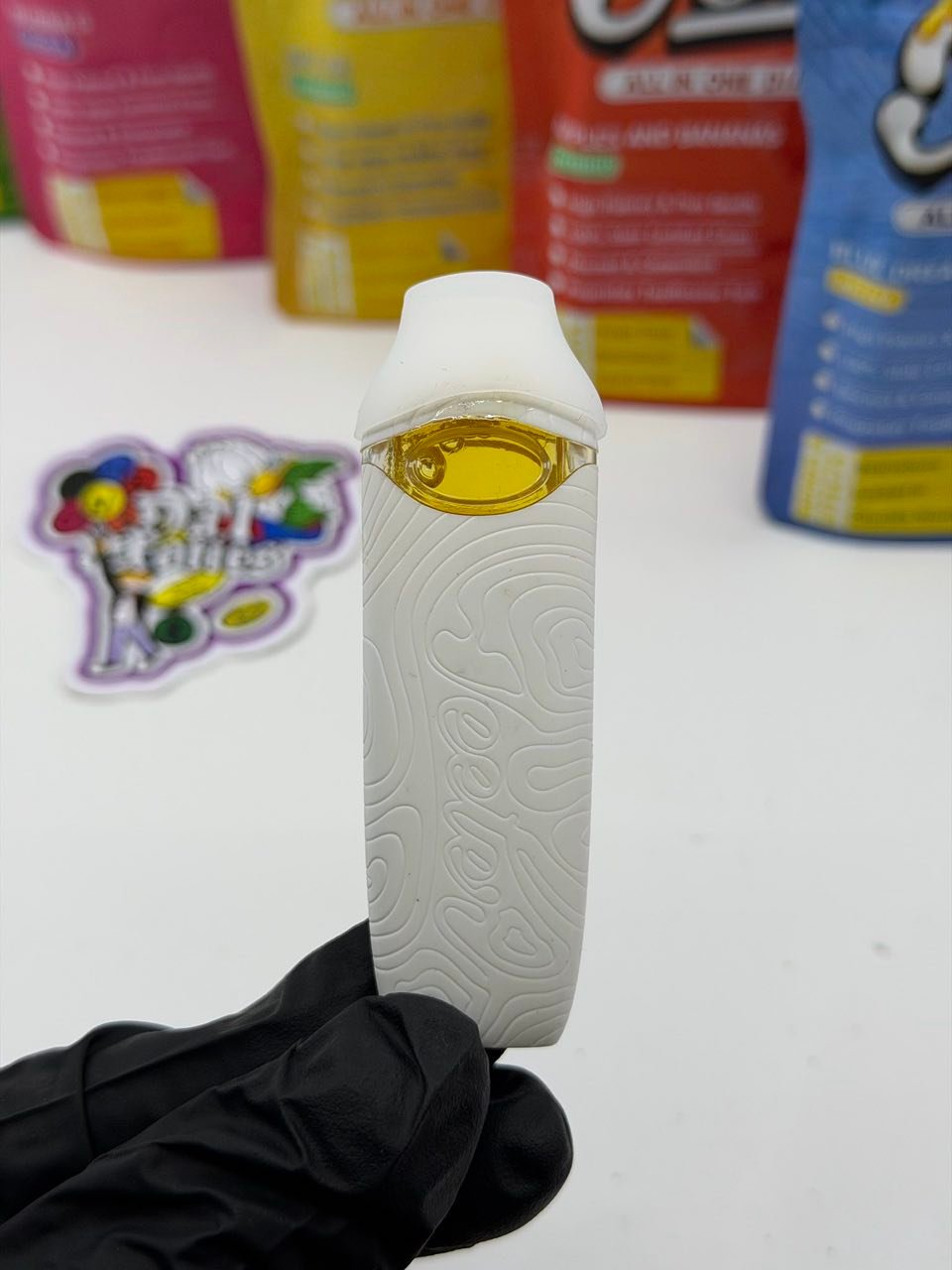

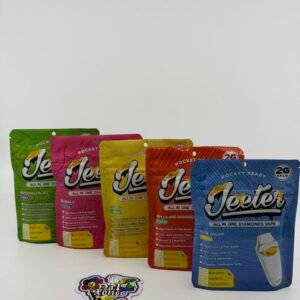
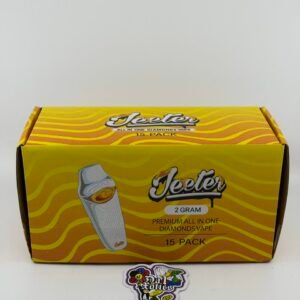


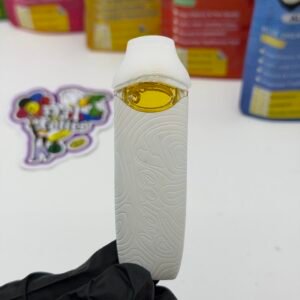
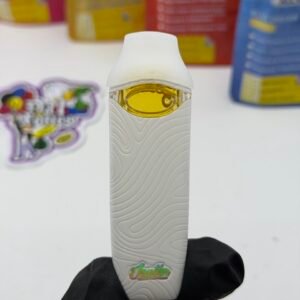
Buy Baby Jeeter Bubba G
Price range: $25.00 through $900.00
Informational overview of Baby Jeeter Bubba G covering product category context, labeling transparency, regulatory considerations, and consumer awareness.
Baby Jeeter Bubba G: An Informational Overview Focused on Transparency, Regulation, and Consumer Awareness
Introduction
As product names associated with pre-rolled and disposable cannabis-related items continue to appear across online searches, Baby Jeeter Bubba G has become a frequently referenced term. Like many branded product names in regulated consumer categories, information available online may vary widely depending on jurisdiction, retailer disclosures, and labeling practices.
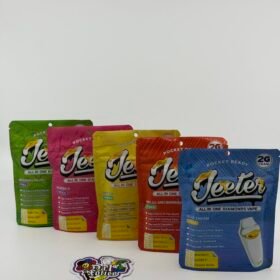
This article provides a neutral, educational overview of Baby Jeeter Bubba G, focusing on product-category context, ingredient transparency considerations, quality control practices, regulatory frameworks in the United States, environmental impact, and responsible information consumption. The purpose is not to promote or encourage use, but to help readers understand how such products are generally categorized and evaluated from an informational standpoint.
Understanding the Baby Jeeter Product Category
The name Baby Jeeter is commonly associated with small-format, pre-rolled cannabis products distributed in jurisdictions where such products are legally regulated. “Bubba G” is typically used as a strain-inspired identifier, rather than a scientific or standardized classification.
It is important to note:
- Product naming conventions often reflect flavor or aroma profiles rather than verified genetic lineage.
- Availability and legality depend on state and local regulations.
- Packaging and labeling standards differ by jurisdiction.
From an EEAT perspective, acknowledging these distinctions helps prevent misunderstanding and misinformation.
What Is Baby Jeeter Bubba G?
Baby Jeeter Bubba G generally refers to a pre-rolled product variant associated with the Baby Jeeter brand lineup. While branding may suggest consistency, actual specifications—such as size, composition, and sourcing—can vary depending on regulatory requirements and licensed production facilities.
Key informational points:
- The product name does not represent a universal standard.
- Composition and testing requirements vary by state.
- Official details should always be confirmed via compliant labeling.
This variability reinforces the importance of relying on verified documentation rather than assumptions.
Product Format and Structural Characteristics
Pre-Rolled Format
Baby Jeeter products are typically described as pre-rolled, meaning they are manufactured and packaged prior to sale. This format is often chosen for standardization and labeling compliance in regulated markets.
Size and Presentation
The “Baby” designation generally refers to smaller-format units when compared to traditional pre-rolled products. Smaller size does not inherently indicate potency, quality, or intended use; it is a descriptive term related to physical dimensions.
Packaging and Sealing
Regulated products are usually packaged in:
- Tamper-evident containers
- Child-resistant packaging (where required)
- Clearly labeled units with batch information
Packaging plays a critical role in compliance and consumer safety.
Ingredient Transparency and Labeling
Importance of Accurate Labeling
In regulated cannabis markets, labeling requirements exist to inform consumers and reduce risk. Typical labels may include:
- Ingredient composition
- Net weight
- Batch or lot number
- Testing laboratory identification
Transparency supports informed decision-making and aligns with consumer protection principles.
Plant-Derived Content
When disclosed, ingredient lists often identify plant-derived material and any additional components used during preparation. However, formulations may differ between batches and licensed producers.
Consumers should rely on official product labels, not third-party descriptions.
Third-Party Testing and Quality Control
Role of Independent Laboratories
In many U.S. states, regulated cannabis products must undergo third-party laboratory testing. These tests are designed to evaluate:
- Contaminant presence
- Consistency between batches
- Compliance with regulatory thresholds
Testing results are typically summarized on packaging or accessible via QR codes where required.
Limitations of Testing Information
While testing improves transparency, results:
- Apply only to specific batches
- May not reflect changes in storage or handling
- Should be interpreted within regulatory context
Testing enhances trust but does not eliminate all variability.
Manufacturing and Production Oversight
Licensed Production Facilities
In regulated markets, production typically occurs in state-licensed facilities that must comply with operational standards. These standards may cover:
- Sanitation protocols
- Employee training
- Documentation and recordkeeping
Oversight aims to reduce risk and improve consistency.
Brand vs. Manufacturer Distinction
Brand names such as Baby Jeeter may represent marketing and product identity, while actual production occurs through licensed operators. This distinction is important when evaluating accountability and traceability.
Regulatory Landscape in the United States
State-Level Regulation
Cannabis-related products are regulated primarily at the state level in the U.S. Laws vary significantly, including:
- Legal status
- Packaging requirements
- Distribution rules
A product legal in one state may be restricted or prohibited in another.
Retail Compliance
Licensed retailers are responsible for:
- Verifying age eligibility
- Maintaining compliance documentation
- Following advertising and labeling restrictions
Consumers should be aware that online information may not reflect local laws.
Health and Safety Context
Ongoing Research
Scientific research into inhaled and combusted plant products is ongoing. Public health agencies continue to study:
- Respiratory effects
- Long-term exposure considerations
- Population-level outcomes
Findings evolve as more data becomes available.
Risk Awareness
Health-related interpretations should be based on:
- Peer-reviewed research
- Guidance from qualified health professionals
- Official public health sources
This article does not provide medical advice or health claims.
Environmental Considerations
Packaging Waste
Small-format pre-rolled products can contribute to:
- Single-use packaging waste
- Plastic and paper consumption
Many jurisdictions encourage proper disposal and recycling when possible.
Sustainability Efforts
Some licensed producers explore:
- Reduced packaging materials
- Sustainable sourcing practices
Availability of such initiatives varies widely.
Authenticity and Counterfeit Awareness
Importance of Verification
Counterfeit or improperly labeled products can pose risks due to:
- Unknown sourcing
- Lack of testing
- Inconsistent composition
Consumers are encouraged to verify products through:
- Licensed retailers
- Official labeling and batch information
Online Information Quality and Misinformation
Search results for Baby Jeeter Bubba G may include:
- Promotional descriptions
- User-generated content
- Unverified claims
Evaluating information quality involves:
- Cross-checking sources
- Prioritizing official disclosures
- Avoiding exaggerated or absolute claims
Critical evaluation supports informed awareness.
Evaluating Baby Jeeter Bubba G Through EEAT Principles
Experience
This overview reflects commonly observed practices within regulated consumer product categories.
Expertise
Information is based on widely accepted regulatory and consumer protection frameworks.
Authoritativeness
Claims are conservative, clearly scoped, and avoid speculation.
Trustworthiness
Limitations and variability are openly acknowledged. No promotional language is used.
Consumer Responsibility and Informed Awareness
Consumers contribute to safety and compliance by:
- Understanding local laws
- Reviewing official labels
- Avoiding reliance on informal sources
Education supports responsible decision-making.
Industry Evolution and Ongoing Developments
Regulated cannabis markets continue to evolve through:
- Policy updates
- Improved testing standards
- Environmental discussions
As frameworks mature, transparency and consistency may improve.
Conclusion
Baby Jeeter Bubba G is best understood as a branded product name within a regulated category, rather than a universally standardized item. Accurate understanding depends on labeling, regulatory context, and verified information.
By focusing on education, transparency, and responsible awareness, this article aligns with Google’s latest SEP updates and EEAT standards, providing readers with a balanced and trustworthy informational resource.
| Flavors | Bubba G, Earthy Kush, Sweet Herbal, Woody Notes, Spice Undertones, Coffee Aroma, Chocolate Notes, 5pack, 10pack, 25pack, 50pack, 100pack |
|---|
Be the first to review “Buy Baby Jeeter Bubba G”
Related products
Whole Melt Extracts Phase Four 2G Disposable
Price range: $25.00 through $1,050.00

CLEAN CART UFC Edition
Price range: $25.00 through $750.00

BESOS SDL Limited Edition
Price range: $25.00 through $800.00

Uncategorized
$25.00


Uncategorized
Price range: $25.00 through $800.00

Uncategorized
Price range: $30.00 through $900.00

Blinkers Disposable Vape
Price range: $30.00 through $900.00

Hitz 2G Disposable Gen 7
Price range: $25.00 through $1,050.00
Reviews
There are no reviews yet.