
No products in the cart.
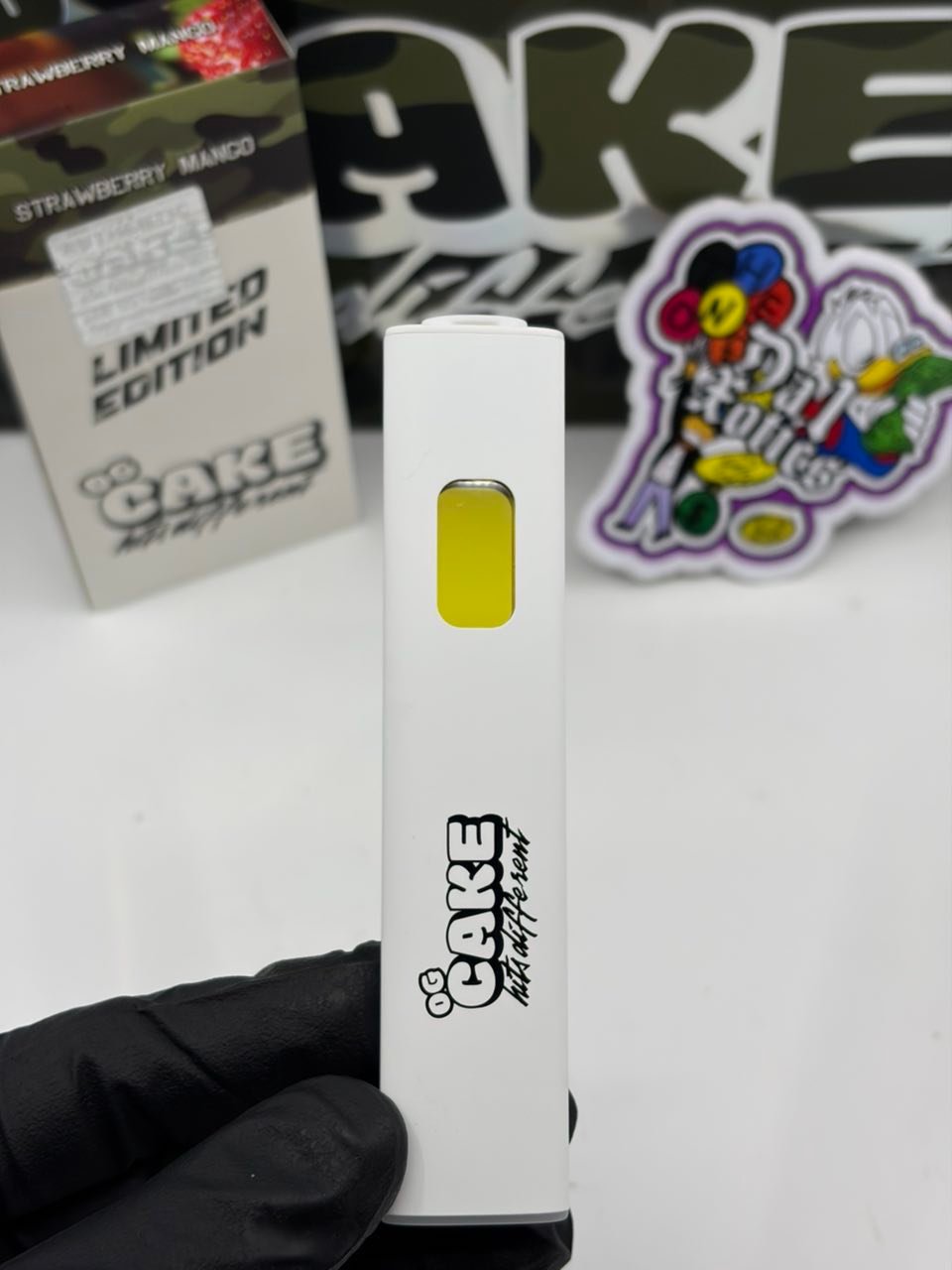
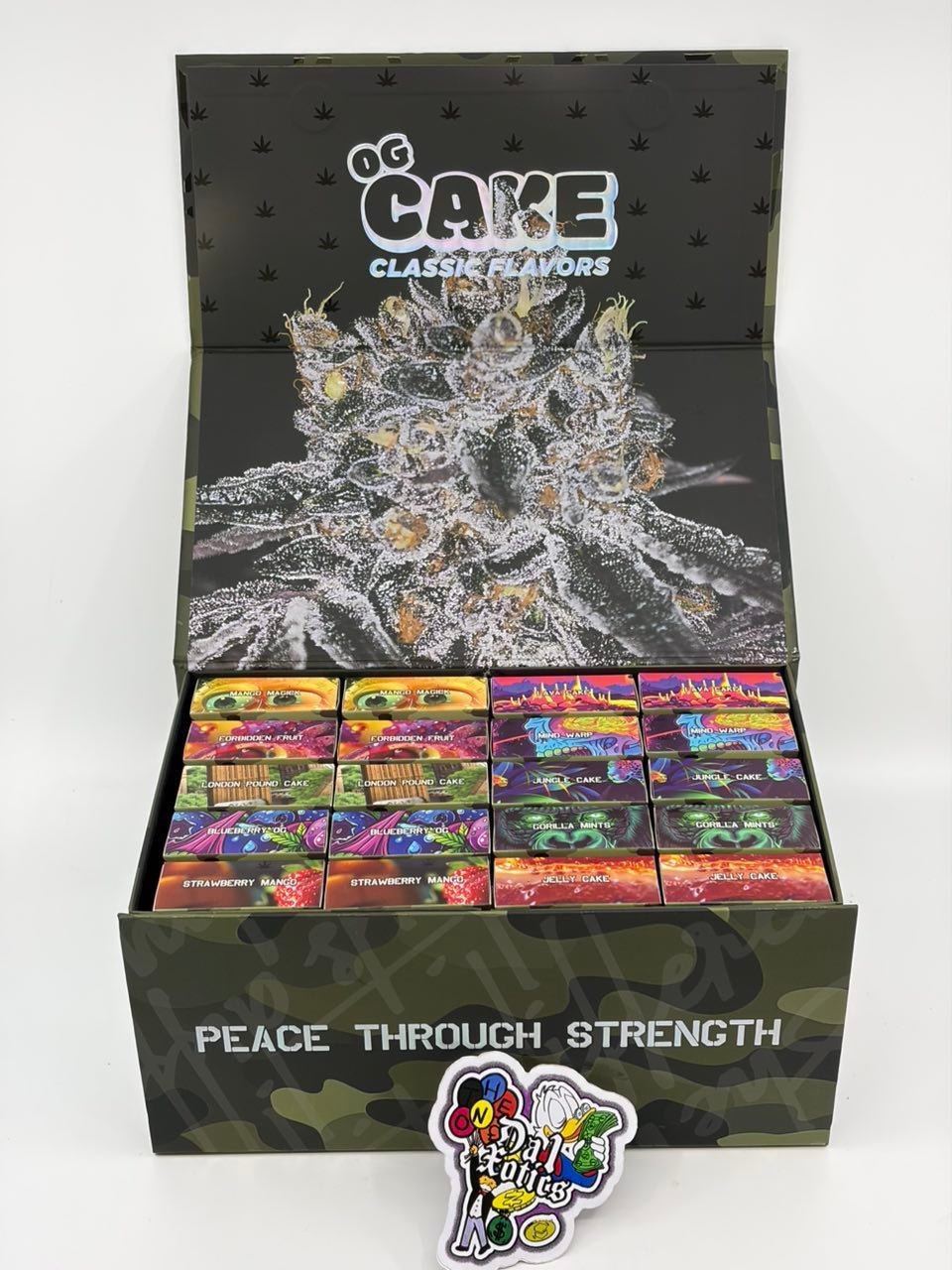
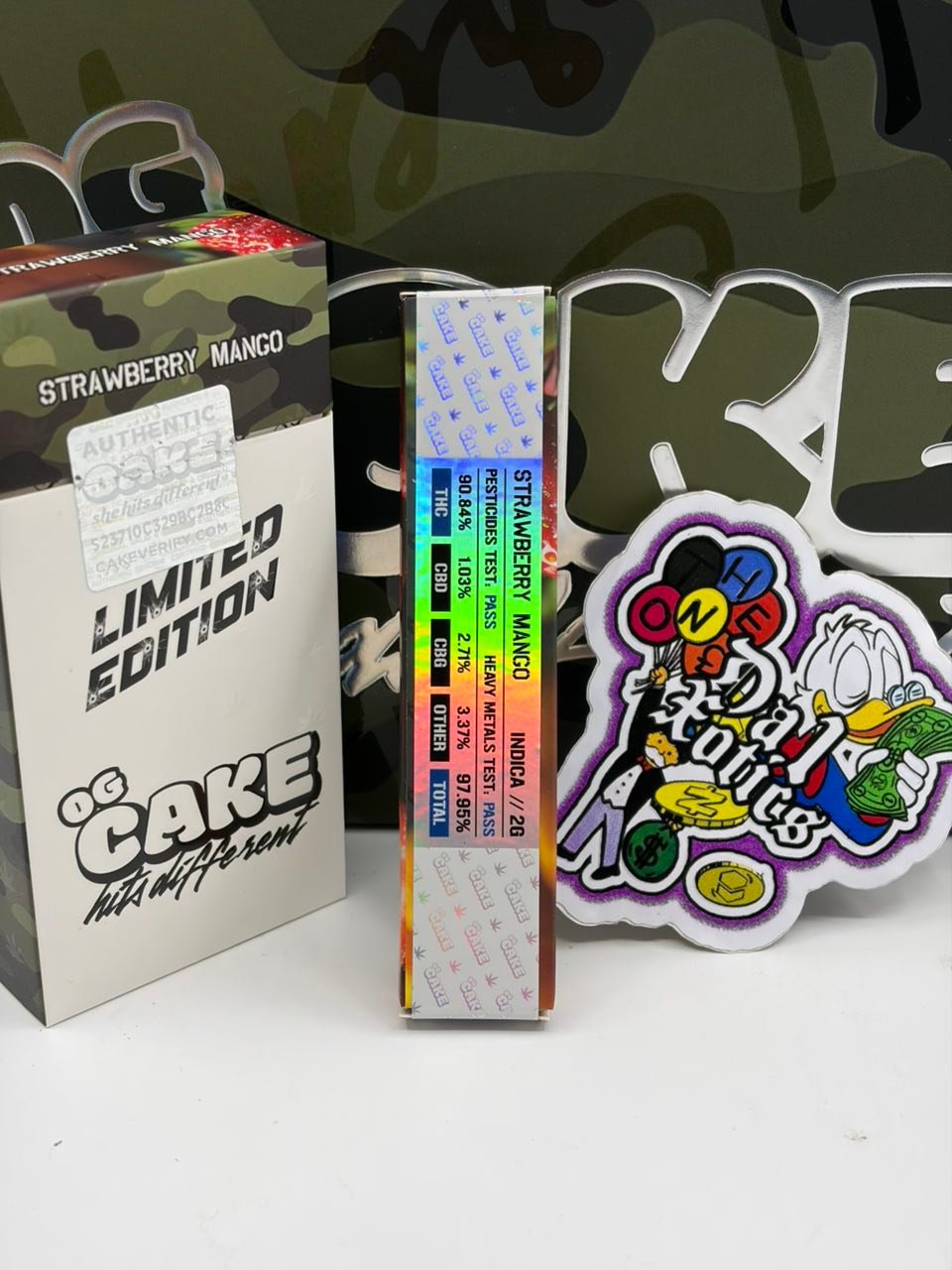
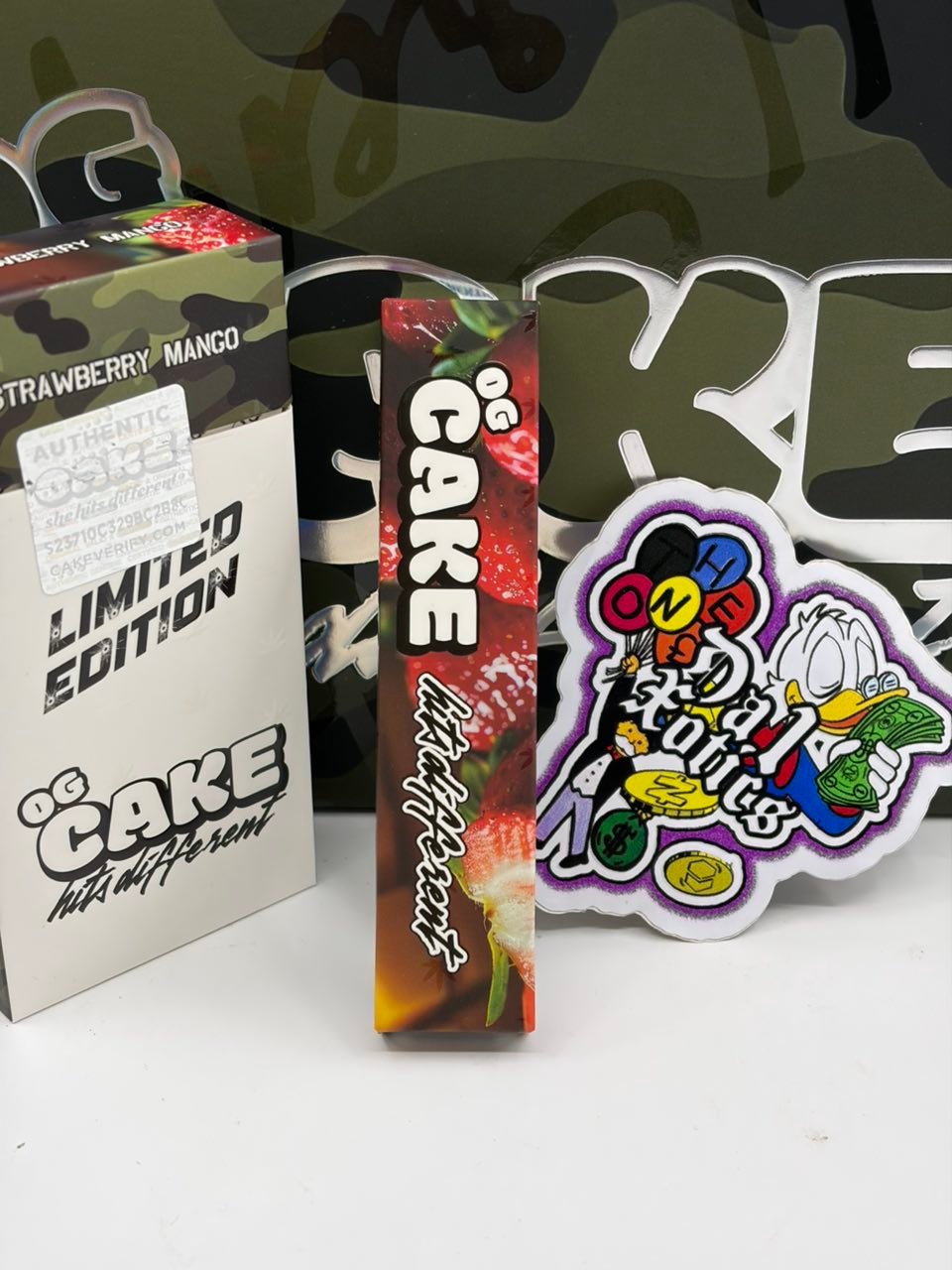


OG Cake Disposable 2G: An Informational Overview Focused on Safety, Transparency, and Regulatory Awareness
Introduction
Disposable vape devices are increasingly visible across online searches, retail discussions, and regulatory conversations in the United States. One product name that often appears is OG Cake Disposable 2G. As with many disposable devices, public information can vary depending on the distributor, region, and labeling practices. This article provides a comprehensive, educational overview of OG Cake Disposable 2G, focusing on device structure, ingredient transparency considerations, quality control, regulatory context, environmental impact, and consumer awareness.
This content follows Google’s EEAT framework (Experience, Expertise, Authoritativeness, Trustworthiness) and avoids promotional language, purchase guidance, or usage instructions.
Understanding Disposable Vape Devices
Disposable vape devices are single-use electronic products designed to function until the prefilled liquid or internal battery is depleted. They are not intended to be refilled, repaired, or reused.
Typical characteristics include:
- A sealed liquid chamber
- An integrated battery
- A heating element
- Automatic activation through inhalation
Products such as OG Cake Disposable 2G fall within this broader category. Understanding the general structure of disposable devices helps consumers interpret product descriptions more accurately.
What Is OG Cake Disposable 2G?
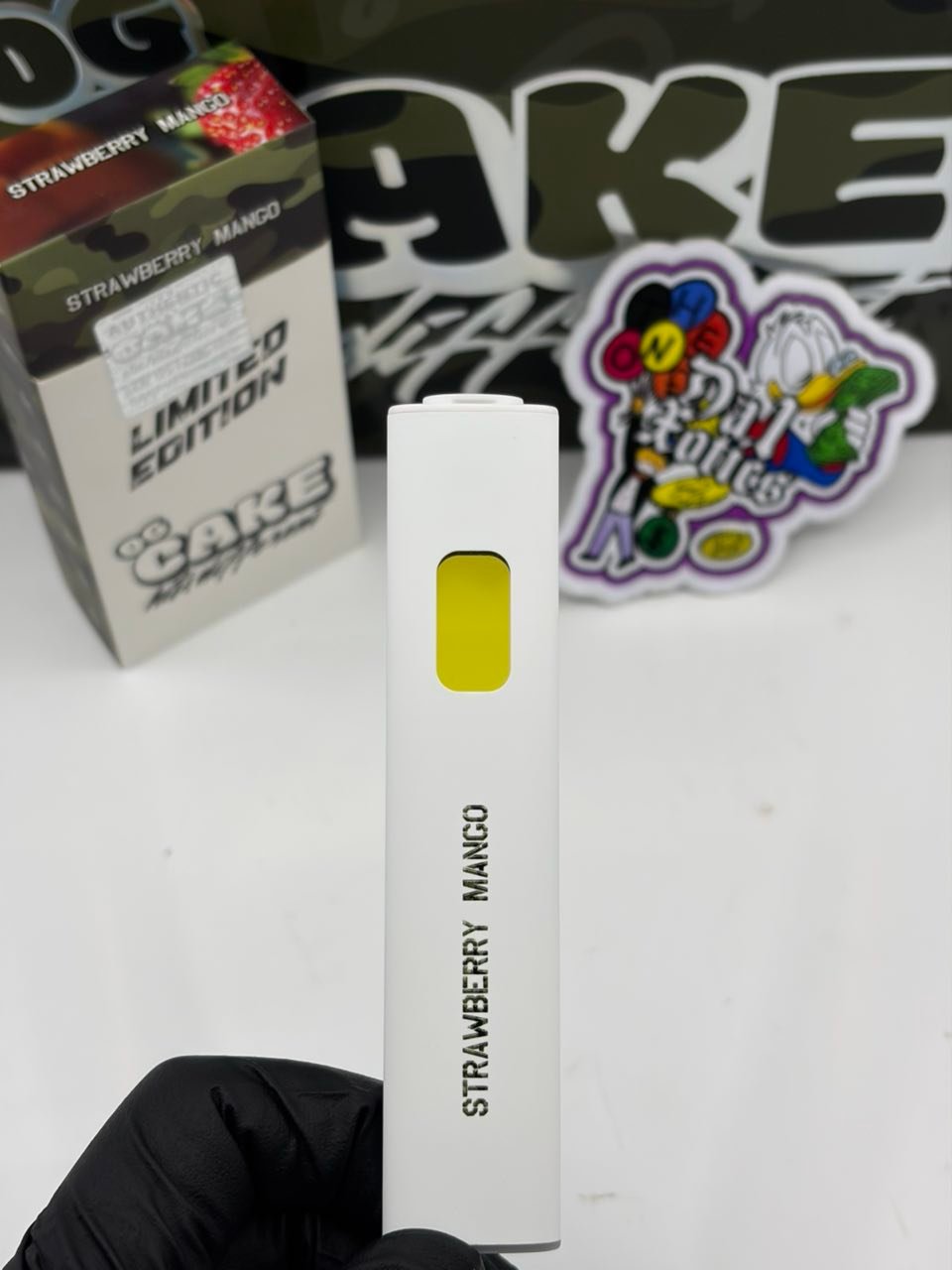
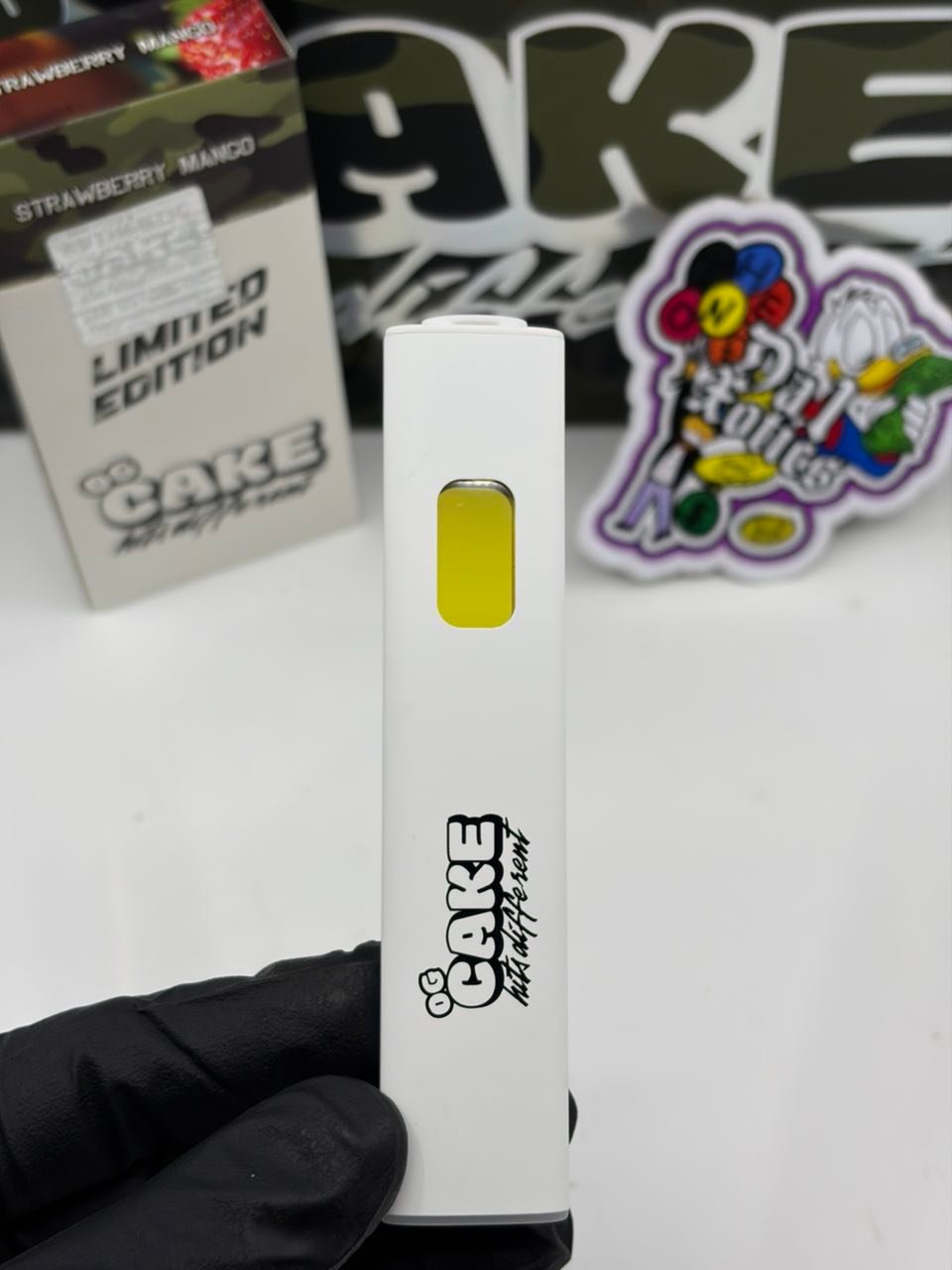
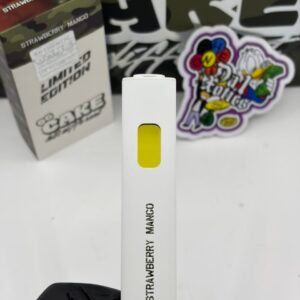
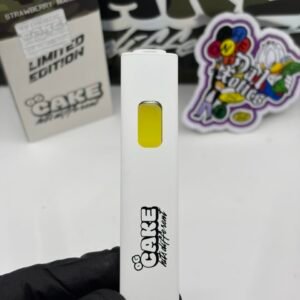
OG Cake Disposable 2G is a product name commonly associated with a disposable vape device containing approximately two grams of prefilled liquid. The “OG Cake” naming convention typically references a flavor or strain-inspired profile rather than a standardized formulation.
Key points for clarity:
- The name does not necessarily identify a single manufacturer.
- Product specifications may differ between sellers.
- Availability and legality vary by jurisdiction.
From an EEAT perspective, this highlights the importance of verifiable information and cautious evaluation of claims.
Device Design and Functional Characteristics
Although specific models may vary, disposable devices labeled as 2G typically share several functional traits.
All-in-One Construction
The device integrates all components into a sealed unit. This limits user interaction with internal parts and reduces the potential for modification.
Draw-Activated Mechanism
Most disposable devices activate automatically when the user inhales. This design removes the need for buttons or settings.
Compact and Portable Form
Disposable devices are generally designed to be lightweight and portable. While this enhances convenience, it also raises considerations related to storage, disposal, and environmental impact.
Ingredient Transparency and Labeling Considerations
One of the most critical aspects of evaluating any inhalable product is ingredient disclosure. Transparency allows consumers to make informed decisions and supports public trust.
Common Ingredient Categories
While formulations vary, disposable vape liquids may include:
- Carrier bases (such as propylene glycol or vegetable glycerin)
- Flavoring compounds
- Active substances (depending on product type and legality)
Importance of Clear Labeling
Incomplete or inconsistent labeling can create confusion and risk. From a consumer safety standpoint, clear ingredient lists and batch identification are essential.
Best practices include:
- Reviewing packaging details carefully
- Seeking third-party laboratory documentation when available
- Avoiding products with vague or missing information
Third-Party Testing and Quality Assurance
Independent laboratory testing is widely regarded as a key indicator of product quality and transparency.
Why Third-Party Testing Matters
- Verifies ingredient composition
- Screens for contaminants
- Confirms consistency between batches
Not all products provide accessible testing documentation. In such cases, consumers should approach claims conservatively and prioritize verified information.
Manufacturing and Supply Chain Factors
Disposable vape products are often produced through contract manufacturing arrangements, where a single facility may produce devices for multiple brand labels.
This model can result in:
- Variability in hardware quality
- Differences in oil viscosity and performance
- Inconsistent quality control standards
From an EEAT standpoint, traceability and documented manufacturing practices enhance trust and accountability.
Regulatory Landscape in the United States
The regulatory environment for disposable vape devices in the U.S. is complex and continually evolving.
Federal Considerations
Federal agencies may regulate aspects such as:
- Labeling requirements
- Shipping practices
- Consumer disclosures
State and Local Regulations
State and municipal laws can impose additional restrictions, including:
- Age limitations
- Flavor-related rules
- Sales and distribution controls
Consumers and retailers are responsible for understanding and complying with applicable laws in their location.
Health and Safety Context
Public health research continues to examine the effects of inhaling aerosols produced by electronic devices. While studies vary in scope and findings, general caution is widely recommended.
General Safety Considerations
- Heating elements can alter chemical composition
- Inhalation differs significantly from ingestion
- Device malfunctions may pose risks if quality standards are low
Individuals with respiratory sensitivities or medical conditions should consult qualified healthcare professionals regarding exposure to inhaled substances.
Environmental Impact of Disposable Devices
Disposable vape devices contribute to environmental challenges due to their construction.
Key Environmental Concerns
- Lithium-ion batteries
- Plastic housings
- Limited recyclability
Improper disposal can contribute to electronic waste and environmental contamination. Consumers are encouraged to follow local guidelines for electronic waste disposal.
Authenticity and Counterfeit Awareness
The disposable vape market has seen a rise in counterfeit or misleadingly labeled products. These may imitate branding or packaging without meeting quality or safety standards.
Risk-reduction strategies include:
- Inspecting packaging for consistency
- Verifying batch or lot numbers when provided
- Avoiding products with altered or unclear labeling
Authenticity awareness supports both consumer safety and market accountability.
Online Information Quality and Misinformation
Search results for products like OG Cake Disposable 2G may include:
- Affiliate-driven promotional content
- User-generated claims without verification
- Outdated or incomplete information
This underscores the importance of relying on neutral, evidence-based sources and cross-referencing claims.
Evaluating OG Cake Disposable 2G Through EEAT Principles
Experience
This article reflects real-world considerations commonly encountered in the disposable vape category, including regulatory and quality challenges.
Expertise
Information is presented based on widely accepted consumer safety and regulatory principles rather than speculation.
Authoritativeness
Claims are framed cautiously, with acknowledgment of limitations and variability in available data.
Trustworthiness
No health claims, usage instructions, or purchase prompts are included. Uncertainty is clearly disclosed.
Consumer Responsibility and Informed Decision-Making
Consumers play an important role in maintaining safety and compliance by:
- Staying informed about local regulations
- Reviewing product documentation carefully
- Avoiding unsupported claims
Education and awareness are essential components of responsible consumer behavior.
Future Trends and Ongoing Research
Disposable vape devices continue to evolve alongside:
- Regulatory updates
- Public health research
- Environmental policy discussions
Ongoing research and clearer standards may improve transparency and reduce risk over time. Until then, cautious evaluation remains essential.
Conclusion
OG Cake Disposable 2G represents a category of disposable vape devices that are widely referenced but often inconsistently documented. Understanding such products requires a balanced, informed approach grounded in transparency, regulatory awareness, and consumer responsibility.
By focusing on neutral, educational information rather than promotion, this article aims to support informed awareness aligned with Google’s EEAT standards and current search policies. As regulations and research continue to evolve, access to accurate and responsible information remains a critical foundation for public trust.
| Flavors | OG Cake, Vanilla Frosting, Birthday Cake, Lemon Cake, Strawberry Cake, Chocolate Cake, Blueberry Cake, Wedding Cake, Cherry Cake, 5pack, 10pack, 25pack, 50pack, 100pack |
|---|
Be the first to review “BUY OG Cake Disposable 2G”
Related products
Warheadz 2G Disposable
Price range: $20.00 through $800.00

BESOS 2G DISPOSABLE
Price range: $20.00 through $800.00

Uncategorized
$25.00

Uncategorized
Price range: $25.00 through $1,050.00

Uncategorized
Price range: $25.00 through $1,050.00


Uncategorized
Price range: $25.00 through $800.00


Uncategorized
Price range: $30.00 through $850.00
Jeeter Disposable 2G
Price range: $25.00 through $1,050.00
Reviews
There are no reviews yet.